
Last updated November 14, 2026
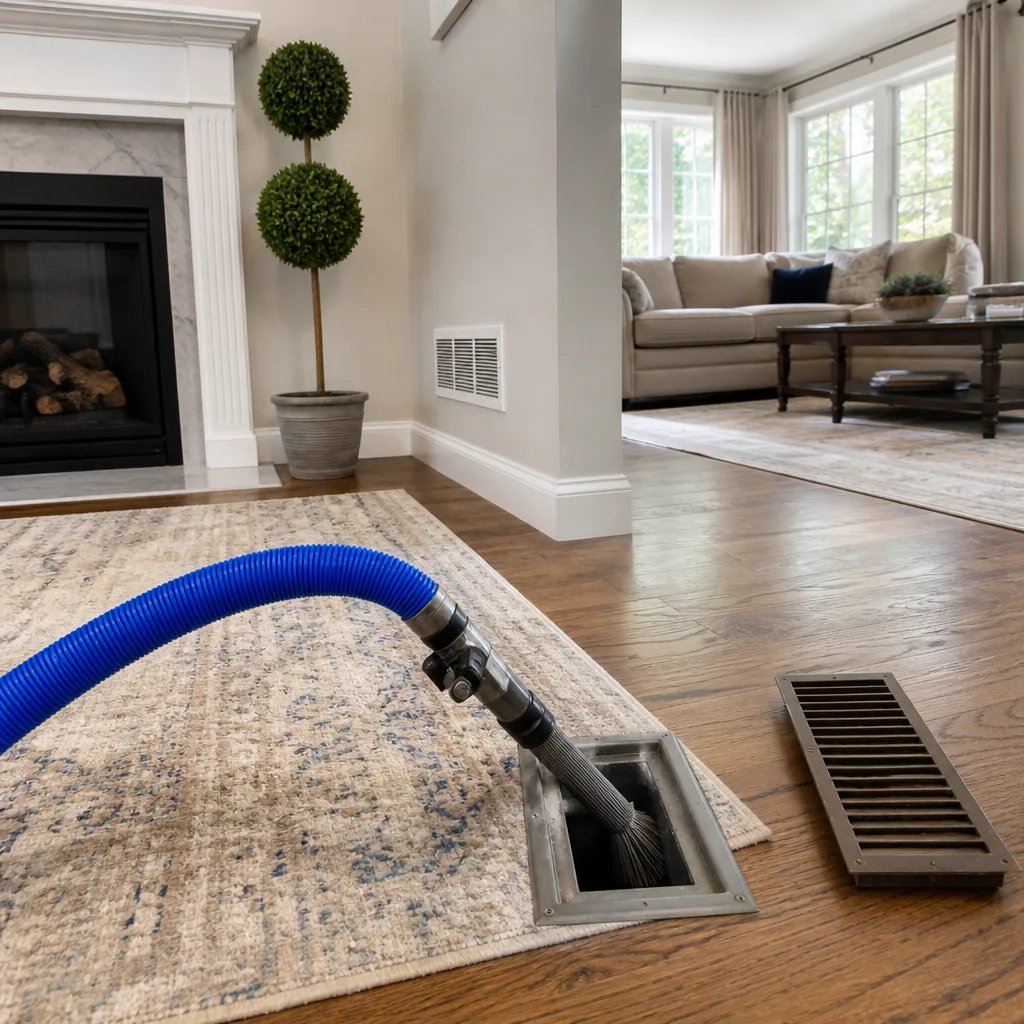 Whole-home duct cleaning
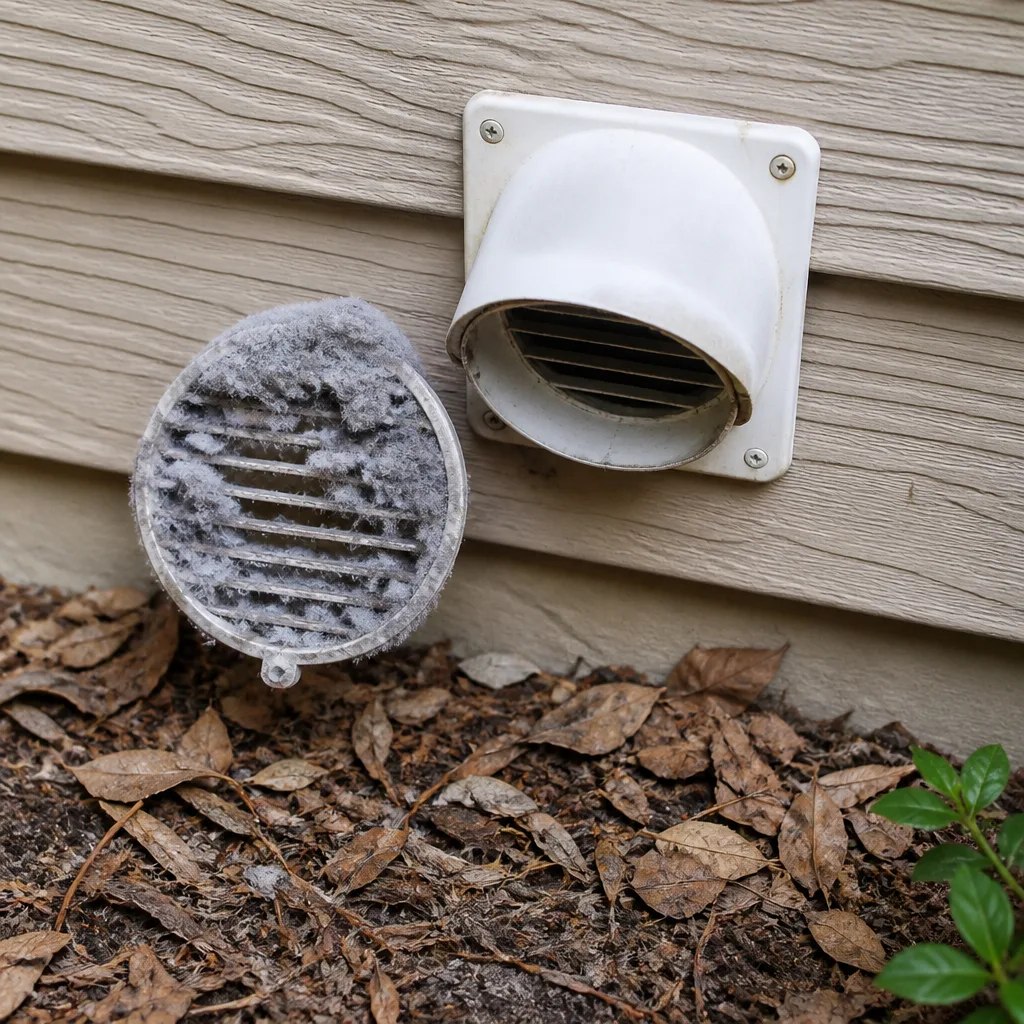 Dryer vent cleaning
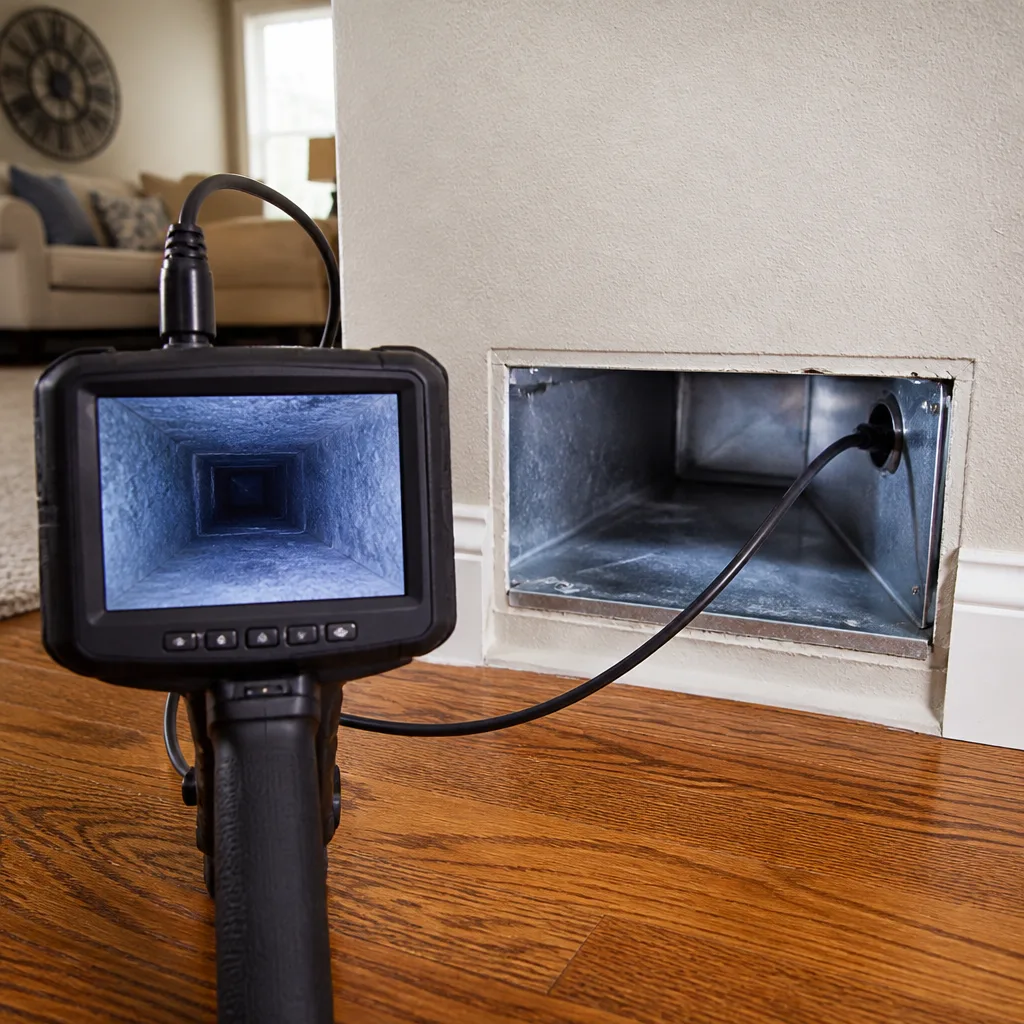 Camera inspection
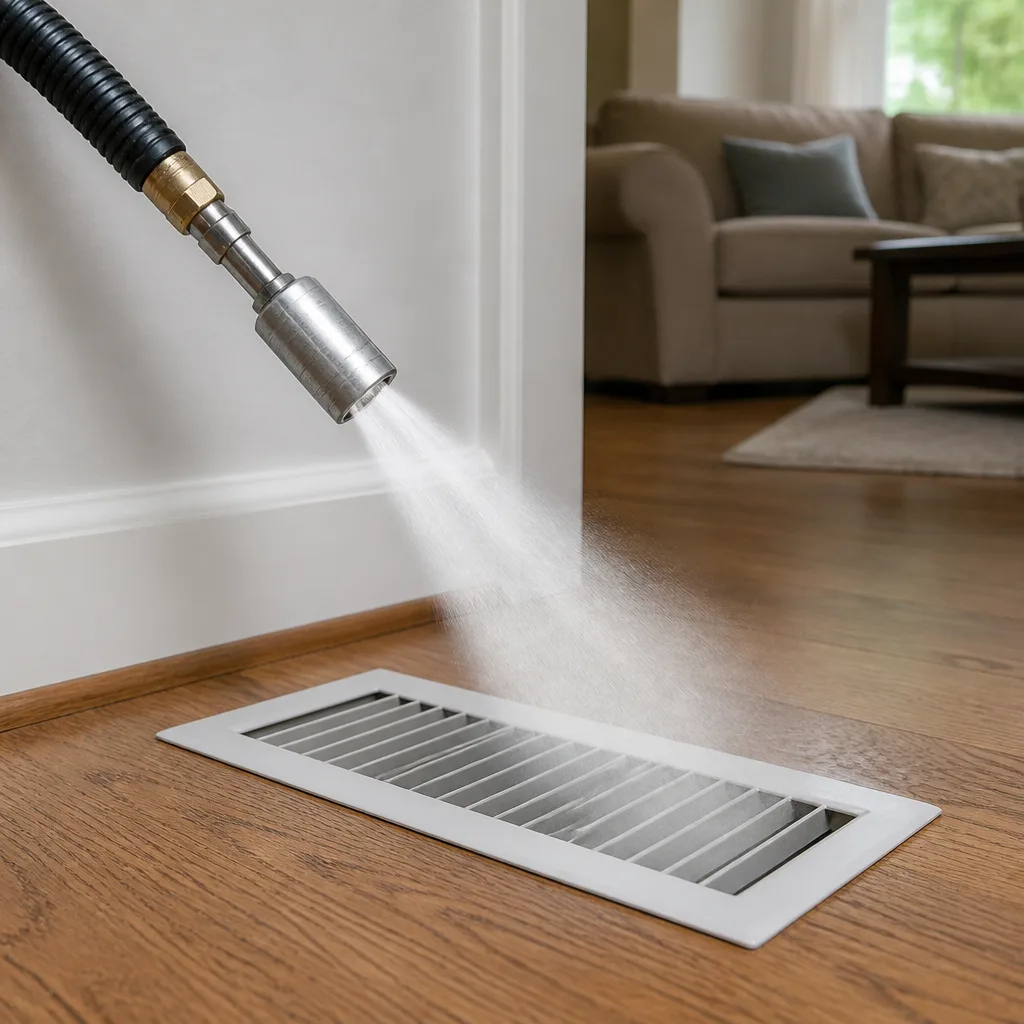 Sanitizing & deodorizing
Whole-system duct and dryer vent check with before-and-after photos - you see exactly what came out of your vents
That "$99 whole-house special" is a bait ad - the real number appears once they are in your hallway, or the "clean" is a shop-vac at the register. We photograph the inside of your ducts before and after instead.
Choosing the Right Air Duct Cleaning Brand: A Buyer’s Guide for Corpus Christi
There is no Carrier or Trane of duct cleaning. No consumer-facing logo that tells you, the way an appliance nameplate does, whether the crew in your driveway knows what they’re doing. That’s the uncomfortable part. The brand question gets settled before anyone arrives: it’s about equipment lineage and business model, whether the contractor’s primary work is the indoor air pathway or whether cleaning is a sideline added to a service menu. You can’t see that difference on a homepage until you know what to look for. This guide shows you the specific things to check, in a Corpus Christi market where humid air and older housing stock put real stress on duct systems.
Quick Answer
The right air duct cleaning brand in Corpus Christi is the one whose primary business is duct work, not a generalist HVAC company that added cleaning as an upsell. Look for professional-grade equipment like Rotobrush or Nikro systems, a dedicated service for dryer vent cleaning, the ability to repair duct defects rather than clean around them, and a clear flat price agreed before work starts. That combination matters more than any logo.
Styles & brands we work with
- Whole-home duct cleaning
- Dryer vent cleaning
- Camera inspection
- Sanitizing & deodorizing
Table of Contents
- Why Dedicated Duct Specialist Beats HVAC Generalist
- How to Judge a Contractor’s Equipment Investment
- What NADCA Membership Signals and What It Doesn’t
- How to Read Reviews for Duct Cleaning Specifically
- Why Local Tenure and Repeat Customers Matter Here
- Corpus Christi Climate and What It Does to Ducts
- The Flat Price Question: How Bait-and-Switch Works
- The Questions to Ask Before You Book
Why Dedicated Duct Specialist Beats HVAC Generalist
The single most important structural distinction a buyer can make is this: is the company in the duct cleaning business, or is duct cleaning a line item on a menu that mostly sells repairs and installations? Those are different businesses, and they behave differently on the job.
A generalist HVAC company earns its revenue from service calls, system replacements, and installations. Duct cleaning, when it’s offered at all, tends to be a smaller add-on, often handled by a technician with a shop vacuum or a light portable unit between other work. A company whose primary work is the duct system treats cleaning as the main event. The equipment, the training, and the diagnostic attention all point at the same target.
That difference shows up in a few concrete ways:
- Time on the job. A specialist budgets for a real cleaning: brushing the full supply and return pathway, setting up negative air, and checking for defects. A generalist may be in and out in under an hour.
- What happens when problems turn up. A dedicated contractor can repair a crushed flex run, a disconnected joint, or a torn section because repair is part of the business. A generalist often refers it out or cleans right past it.
- Who you’re talking to. With a specialist, everyone on the phone and on site does duct work every day. You don’t need to hope the dispatcher routed you to the one technician who knows the equipment.
For Corpus Christi homeowners with visible contamination, persistent odors, or a system that just isn’t pushing air the way it used to, this distinction is the whole game. The rest of this guide builds on it.
How to Judge a Contractor’s Equipment Investment
Equipment is a proxy for commitment. A contractor who invested in remediation-grade gear made a deliberate decision to do this work at a professional level. A contractor whose “duct cleaning” runs off a shop vacuum and a long hose made a different decision. You don’t need to be a technician to read the signals.
What professional-grade equipment looks like:
A real duct cleaning setup is built around two things: contact-vacuum brushing and negative air. The brushing system agitates debris off the duct walls, and the negative-air machine pulls it out of the system through a HEPA filtration stack. Consumer-grade vacuums do neither well. They stir up what’s already there and capture very little of it.
When you ask a contractor what they use, listen for specific names. Rotobrush is a recognized contact-vacuum brushing system in the industry. Nikro builds negative-air machines the same way remediation contractors do. Abatement Technologies air filtration equipment shows up on jobs where the duct environment is compromised, not just dusty. Those names tell you the contractor works at a level that takes the category seriously. We use all of that equipment at Ironside Duct Cleaning, and we name it because you should be able to ask anyone else the same question and get a real answer back.
Two other signals worth asking about:
- Before and after photos. A contractor with proper equipment can show you what came out and what’s left behind. Ask to see photos of your own system, not stock images. If they can’t produce them, that tells you something.
- Diagnostic capability. A proper cleaning starts with a look at the whole pathway, including the return side, joints, and any filter equipment attached. A contractor who only runs a brush through the supply vents isn’t doing the job.
Equipment matters because cleaning a duct system badly can be worse for your air quality than leaving it alone. A system that agitates debris without capturing it just re-suspends the particles into the rooms you live in.
What NADCA Membership Signals and What It Doesn’t
NADCA, the National Air Duct Cleaners Association, sets standards for the duct cleaning industry, and its membership and certification programs give buyers a real reference point. Here’s the honest read: NADCA membership is a floor, not a ceiling. It signals a contractor knows the industry has standards and made a decision to align with them. It does not, by itself, tell you the equipment is professional grade, the pricing is honest, or the work will be done thoroughly.
What to make of it:
- It filters out the worst offenders. A contractor willing to join an industry association and follow its published standards is usually not running a bait-and-switch operation.
- It says nothing about specialization. A generalist HVAC company can carry NADCA membership. The business model question is still the first thing to answer.
- It doesn’t replace specific questions. Membership or certification is one data point. Equipment, scope, pricing structure, and repair capability are the rest.
When you interview contractors, ask about membership alongside the other questions. A contractor who belongs will tell you clearly and probably explain the standard they follow. A contractor who doesn’t can still be excellent, and a contractor who does can still cut corners on the schedule. That’s why you read the reviews with specific attention to duct cleaning (more on that below).
For a lot of Corpus Christi buyers, the fastest way to sort the field is to combine the membership check with the equipment question. Two minutes on the phone will tell you which contractors treat this as their craft.
How to Read Reviews for Duct Cleaning Specifically
Most reviews on home service sites rate customer service: on time, polite, tidy, easy to schedule. Those things matter, but they don’t tell you whether the ducts came clean. Duct cleaning reviews are more useful when you read for job outcome signals. Look for reviews that describe what the technician actually did.
Signals that a review reflects a real job outcome:
- Specific mention of equipment or process, like brushing, negative air, or photos shown afterward
- The reviewer describing what came out of the system or what changed afterward
- Comments about problems the contractor identified and repaired, not just cleaned around
- Language about the price holding to the quoted estimate
Signals that a review is only a customer service rating:
- Only mentioning friendly service and punctuality, with no detail about what happened
- Patterns of very short five-star reviews during a short window (often a sign of a review push)
- Clusters of complaints about the final invoice being higher than quoted (this is the specific pattern to look for)
- One-star reviews that mention a “coupon price” or a low advertised rate that ballooned
We’ve seen the same pattern on review sites in Corpus Christi that we’ve read nationally: the review that says “they charged way more than advertised” is the most useful one for a buyer. It’s the honest signal that a low advertised number was a door-opener, and it’s the reason a written flat price matters so much.
Why Local Tenure and Repeat Customers Matter Here
Duct cleaning is a business you build slowly. No contractor does a great job for years in one place without repeat business, and repeat business is the clearest signal that the work holds up. Corpus Christi is a market where a lot of first-time customers come through a seasonal review push and then never see the contractor again. The contractors with real longevity in the area are the ones who get called by the same property managers year after year.
What tenure looks like in practice:
- Steady, specific reviews spanning years. Not a burst of activity, an ongoing pattern.
- Referral-driven business. When contractors ask how a customer found them and the answer is “neighbor or property manager,” that’s a strong signal.
- Repeat customer mentions. Reviews from people who’ve used the same contractor more than once, or on different properties.
- Local references you can check. Property managers, real estate agents, and contractors in the area who work with the company regularly.
Tenure is not about a founding year on a website. It’s about whether a Corpus Christi buyer can find the business active and consistent in the local market over a meaningful stretch. Ask a contractor how much of their work is repeat or referral business. The way they answer will tell you.
Corpus Christi Climate and What It Does to Ducts
Corpus Christi’s humid, warm climate puts the duct system under conditions you won’t see in a dry market. That’s the local factor that matters most for this service, and it’s why a specialist matters.
Here’s how the climate interacts with a home’s ductwork:
- Humidity inside the ducts. Warm, humid air in the return side and inside unconditioned attic runs raises moisture levels where debris collects. Dust and organic matter that sit in a damp duct environment are a different problem than dry dust. That’s where a professional cleaning with a negative-air machine matters, because it captures what’s loosened rather than leaving it in place.
- Summer cooling load. Corpus Christi homes run the AC almost continuously through the hot stretches. The system moves a lot of air, and over time that airflow carries fine dust and construction residue into the ducts and leaves it there. When airflow starts to feel weak, a specialist checks the ducts themselves, not just the filter.
- Dryer vent risk. The same humidity and load carry over to the dryer vent, which sits outside the HVAC system but is part of the same indoor air pathway. Lint accumulation in a dryer vent is a known fire risk, and it’s a service a dedicated contractor handles as its own job, not an afterthought.
This is the local context that makes the specialist-versus-generalist question more than academic in a Corpus Christi home. A contractor who routinely works in this climate understands what the ducts are up against. One who flies through and cleans the surface of the vents doesn’t. If you’re looking for a deeper walkthrough on the service itself, see air duct cleaning.
The Flat Price Question: How Bait-and-Switch Works
The most common complaint in this business is a low advertised price that turns into a much larger invoice once the technician is on site. The pattern is predictable. A customer calls on a promotional number, the technician arrives and says the “coupon” only covered a partial service, and the homeowner ends up agreeing to a larger number because the crew is already there.
The way to avoid it is a flat price per system, agreed before any work starts. Not per vent. Not per hour. A single number for the whole system, written down, before anyone touches a duct.
What a reasonable quote structure looks like:
- A free estimate based on the system. The contractor should walk the system (or ask specific questions by phone) and quote one price for the whole job. Ask what the price includes and confirm the scope.
- A written quote. Get it in writing before you commit. No verbal “about” numbers, no “$49” door-opener.
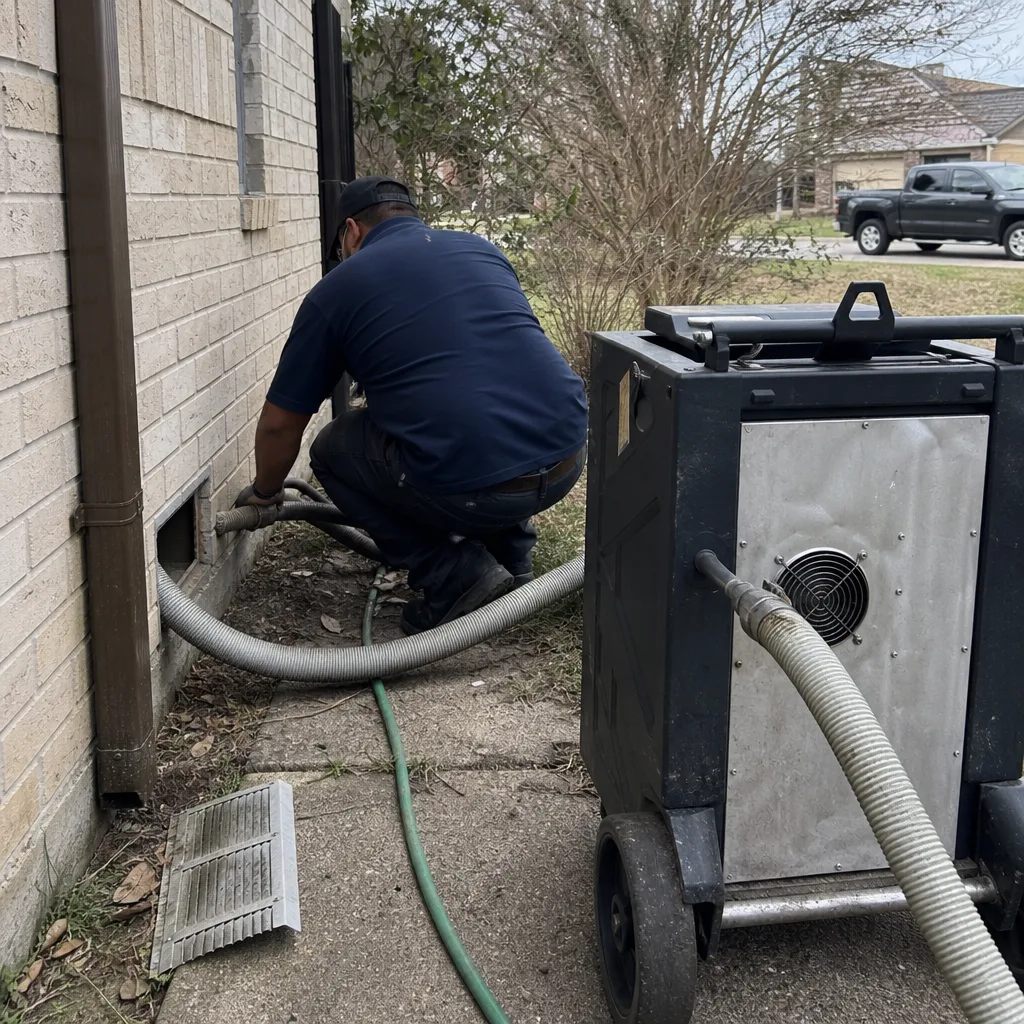
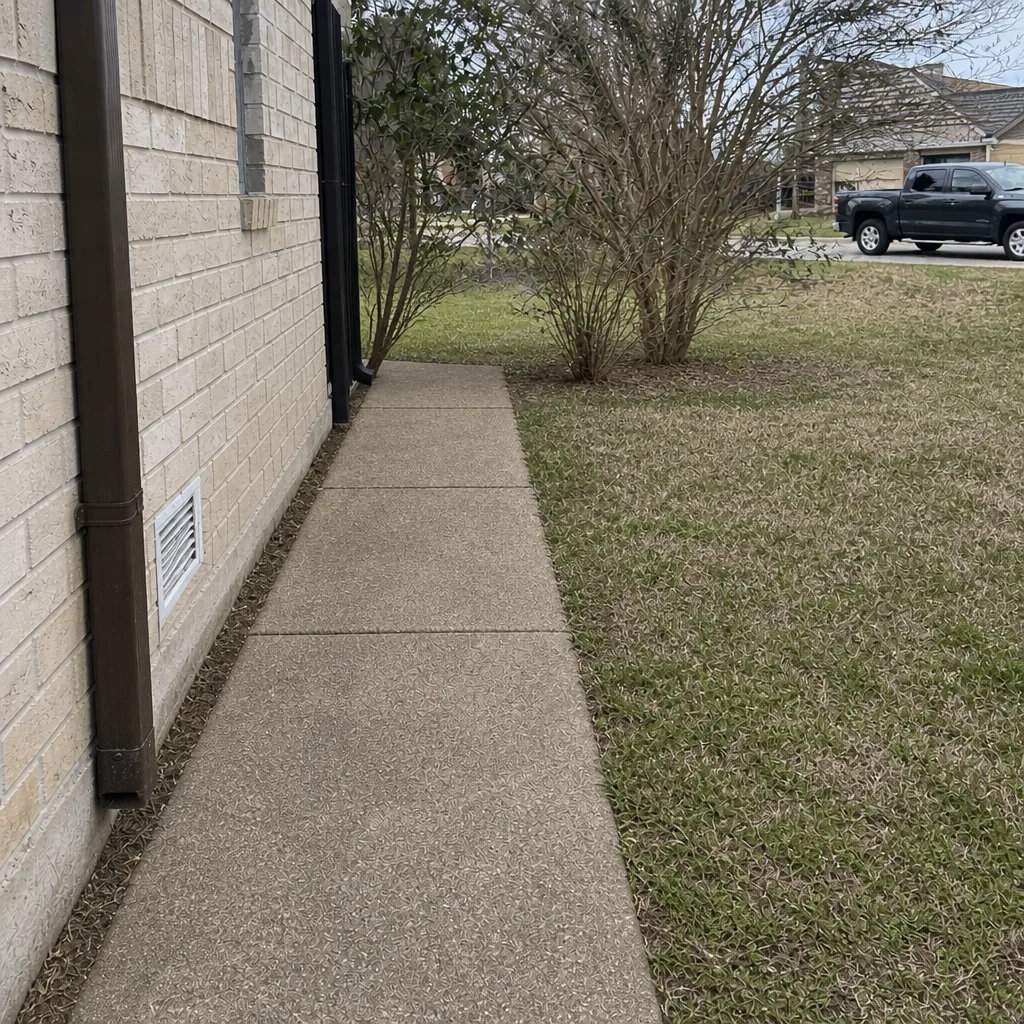
- Before and after photos of your own ducts. A fair contractor will show you the condition of your system at the start and after the cleaning, so you can see the work was done. This is the single best defense against a contractor who cleans a vent and calls it a job.
- No surprise line items. If a repair turns up, such as a disconnected flex run, the contractor should tell you and price it separately before doing the work. A specialist can handle the repair itself. A generalist may not.
For a Corpus Christi homeowner, the test is simple: ask what the price covers before anyone comes out. If the answer is vague, the price probably is too. Honest whole-system ranges belong in the written estimate, not on a coupon.
The Questions to Ask Before You Book
You can screen almost any contractor with a short phone call. Ask these questions and listen to the answers. A dedicated specialist will answer them without hesitation. A generalist or a fly-by-night operation will start hedging.
- “Is duct cleaning your main business, or a service you added?” Listen for specifics about how often they do it and what the job includes.
- “What equipment do you use?” You’re listening for professional-grade systems: contact-vacuum brushing (Rotobrush is one), negative-air machines (Nikro), and filtration equipment (Abatement Technologies). A shop vacuum is not a duct cleaning system.
- “What’s the price for my whole system, written down?” Confirm the price covers the full supply and return path, not just the visible vents.
- “Can you repair a duct defect, or would you refer it out?” Repair capability is a real differentiator. A contractor who can fix a crushed run does a fundamentally better job than one who cleans around it.
- “Do you service the dryer vent as well?” If your dryer vent hasn’t been serviced in years, this is worth asking about specifically.
- “Will I get before and after photos of my own ducts?” The answer tells you whether the contractor expects to show you a real outcome.
- “What kind of filter and IAQ equipment do you work with?” Familiarity with brands like Honeywell and Aprilaire signals a contractor who understands the full air-treatment chain, not just duct cleaning in isolation.
Two more: ask about NADCA membership and how much of their work is repeat or referral. Then judge the whole picture.
Common Mistakes to Avoid
- Choosing on price alone. The cheapest quote is often a door-opener. A flat per-system price with a written estimate and before/after photos is the better basis for comparison.
- Booking a generalist HVAC company out of convenience. It’s tempting to combine duct cleaning with an AC tune-up. But the generalist technician may not have the equipment or the time for a full duct cleaning, and you’ll get a partial job.
- Accepting a per-vent price. Per-vent pricing invites a “you have more vents than we thought” surprise. Ask for one price for the whole system instead.
- Skipping the dryer vent because it’s “not the AC.” The dryer vent is part of the indoor air pathway and a known fire risk. Ignoring it for years is a mistake a specialist would flag on the first visit.
- Not asking about duct repair before the job. If a contractor can’t repair, they may clean around a disconnected or crushed duct. Ask upfront so the job covers what the system actually needs.
- Reading only the star rating. A five-star average with no detail about the work tells you almost nothing. Read the reviews for what happened, not just how the technician acted.
- Treating NADCA membership as proof of quality all by itself. It’s a floor, not a ceiling. Pair it with the equipment and business model questions.
See the difference
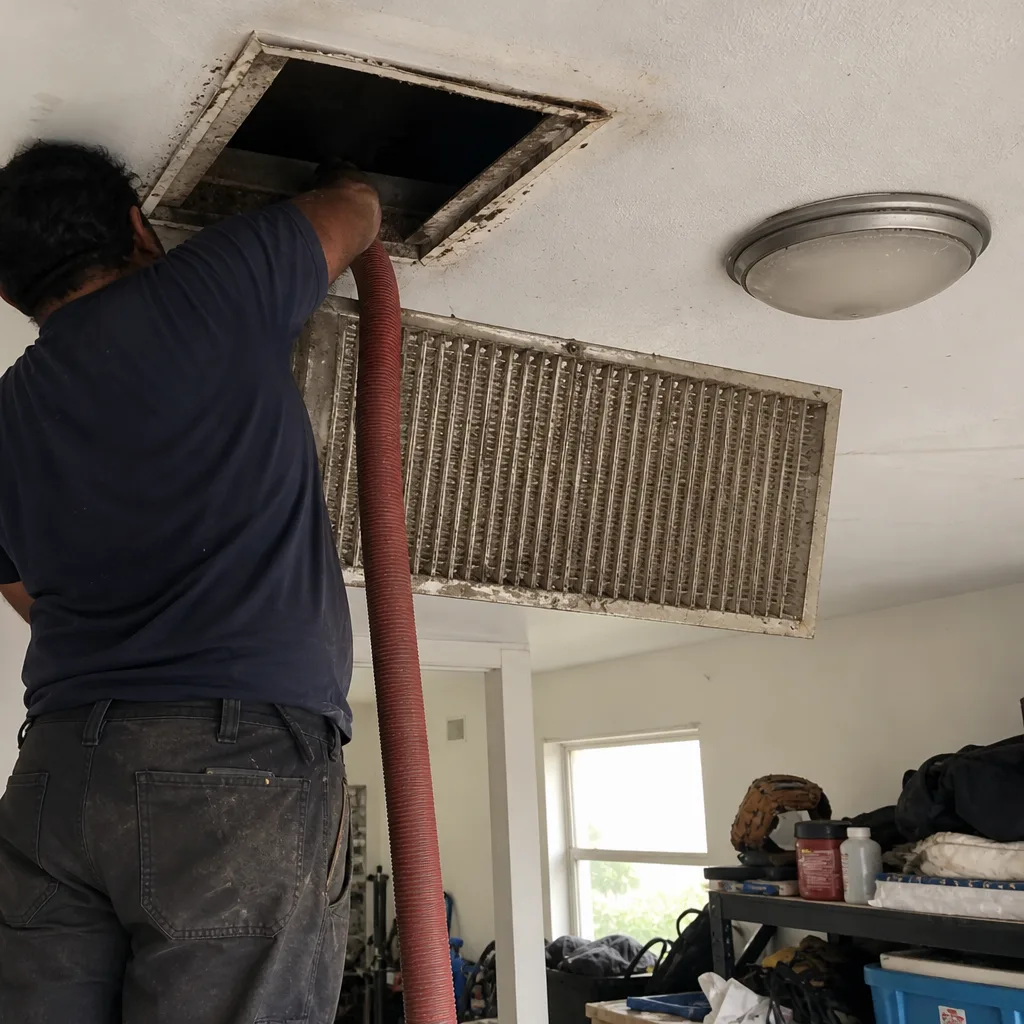 Before
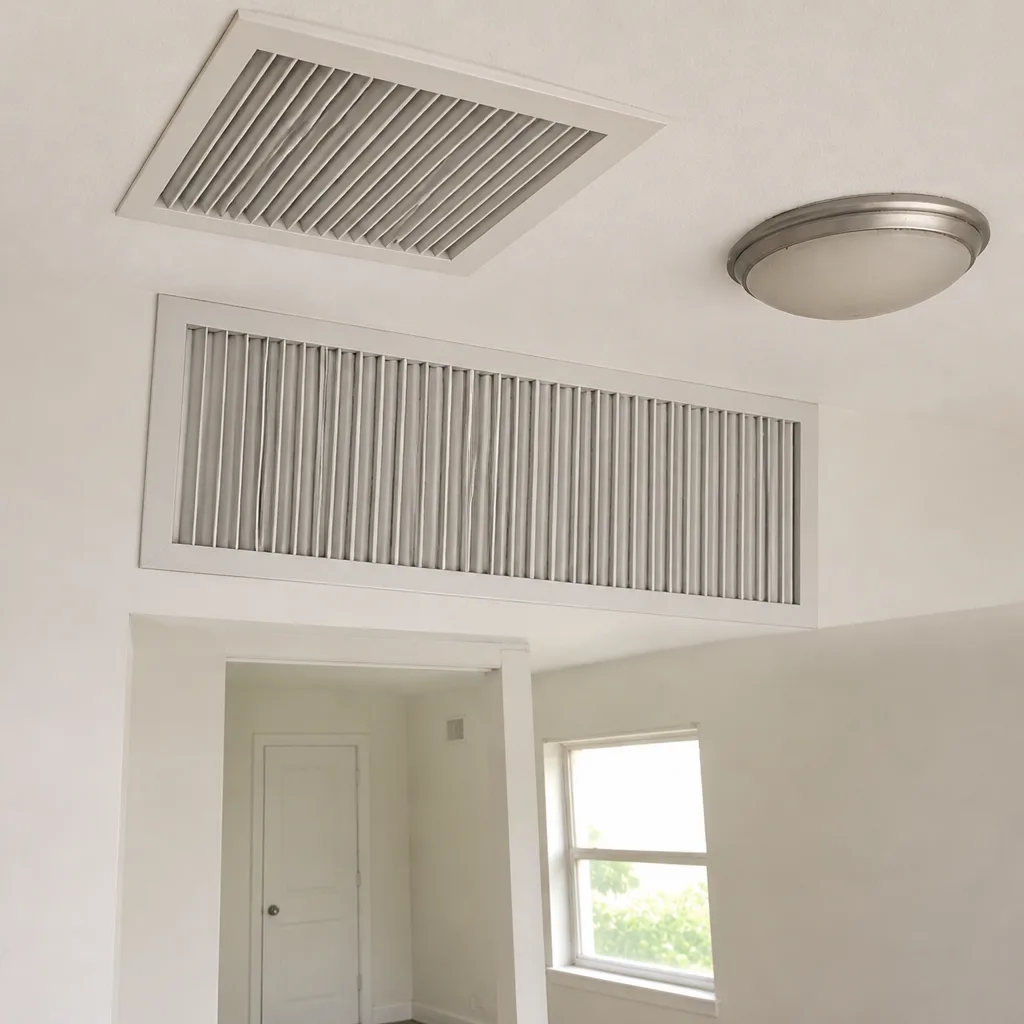 After
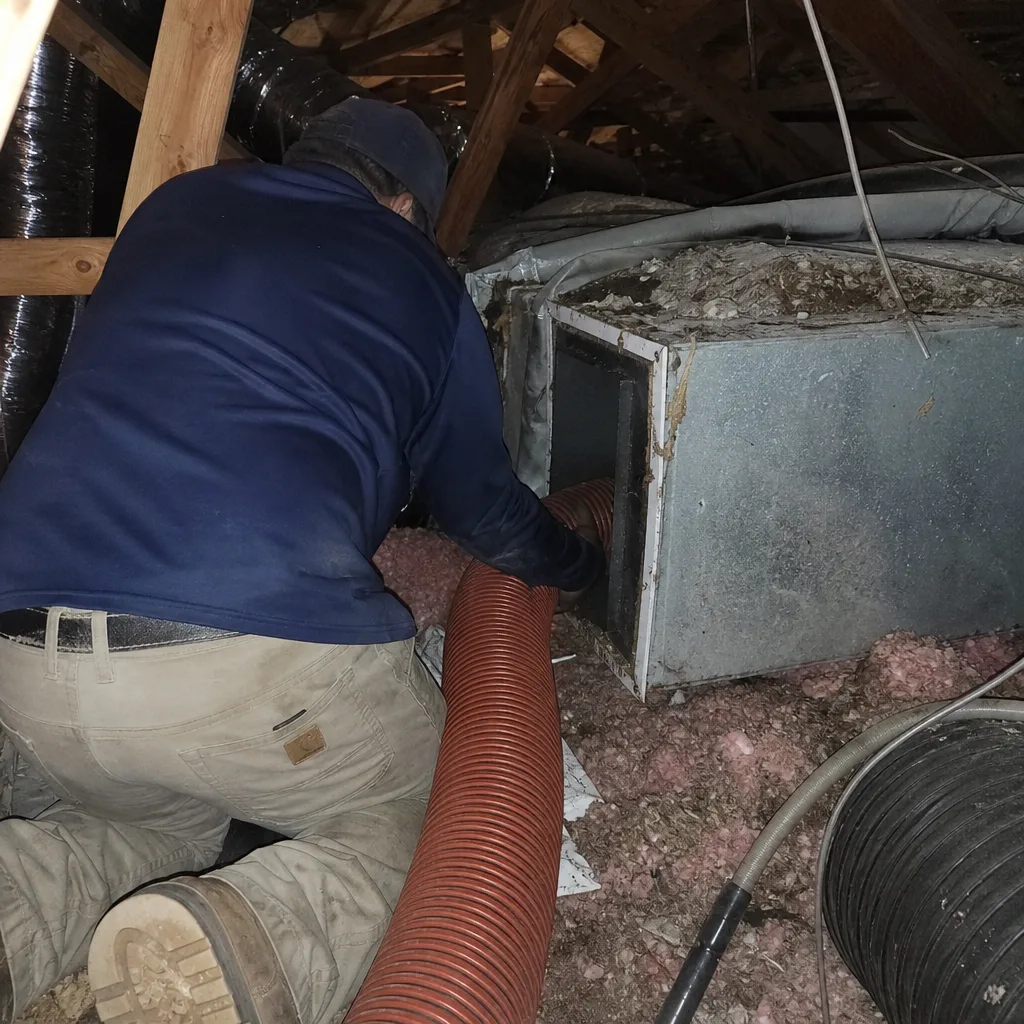 Before
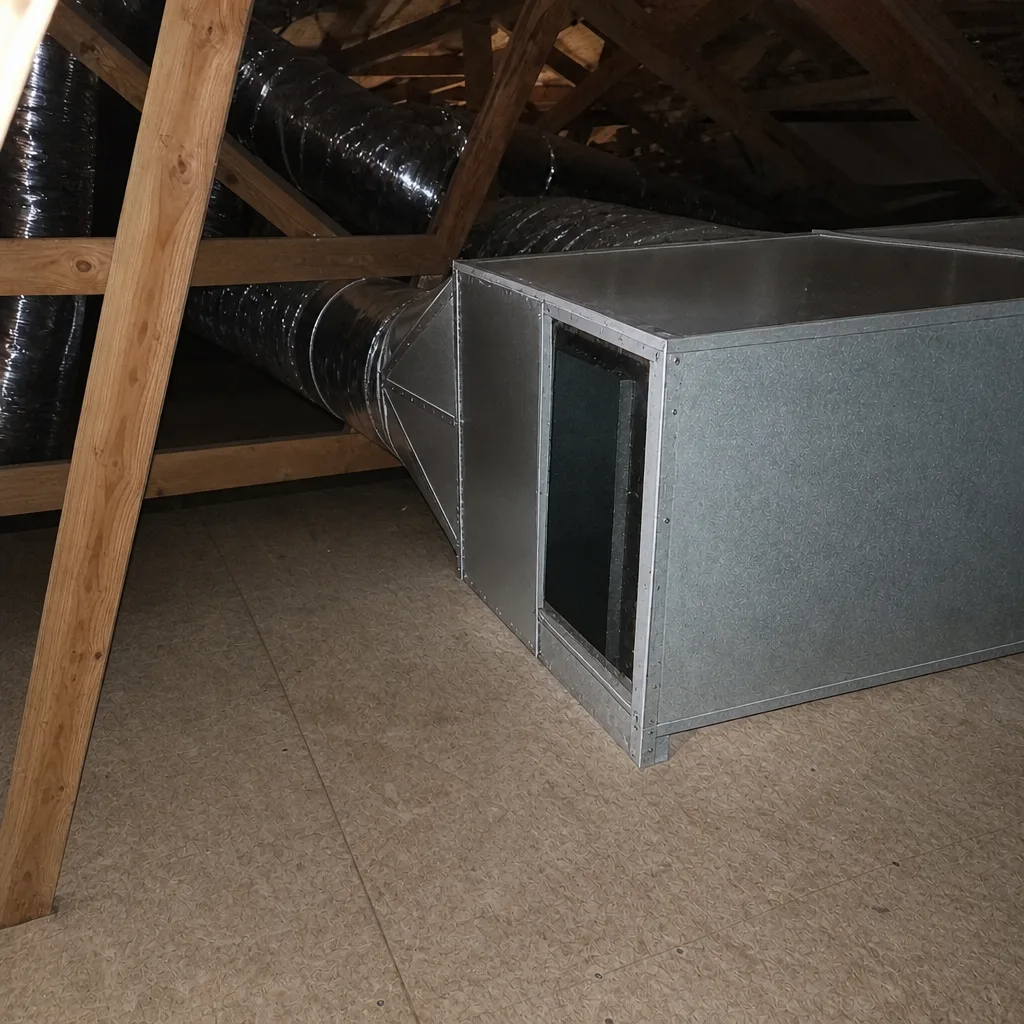 After
 Before
 After
When to Call a Professional
Some duct issues are for a professional and shouldn’t be a weekend project. Call when you notice visible dust streaking out of the supply registers, when the house has a persistent musty or stale smell that doesn’t clear, or when airflow has weakened noticeably across multiple rooms. If you’ve had recent renovation or construction work, the ducts likely loaded up with fine debris and a professional cleaning with negative-air capture is the right call. A dryer vent that hasn’t been cleaned in years is worth prioritizing. If a contractor tells you a duct is crushed, disconnected, or torn, that’s a repair job, and cleaning around it just wastes the cleaning. For airflow that feels off on a specific vent, more on symptoms and what to check is in our Corpus Christi service pages. Ironside Duct Cleaning offers free estimates in Corpus Christi. Call (833) 435-2252. We answer 24/7. Fast dispatch from 7am to 7pm, Sunday through Friday.
Frequently Asked Questions
Air duct cleaning in Corpus Christi is priced per system, based on the size and complexity of the job, and the written estimate sets the final price. There’s no legitimate per-vent price and no honest coupon number to quote over the phone without seeing the system. Call (833) 435-2252 for a free estimate and a flat price for your home, with the scope spelled out before any work starts.
Cheap quotes usually mean a partial job: fewer vents cleaned, no negative air, no repair if a defect turns up, or a low advertised number that becomes a larger invoice once the crew is on site. A quote that covers the whole system with professional equipment and before/after photos will be higher than a door-opener, and it should be. The estimate is free and the written price sets the final number. Call (833) 435-2252 to compare.
Ask for before and after photos of your own ducts, taken before the cleaning starts and after it’s finished. A contractor with professional equipment can show you the condition of the system at both ends and explain what came out. If a contractor can’t produce photos of your ducts, that’s a warning sign. Call (833) 435-2252 for an estimate.
Most homes don’t need it on a fixed calendar. Visible contamination, persistent odors, weakened airflow, recent renovation work, or a dryer vent that hasn’t been serviced in years are the real triggers. A specialist can look at your system and tell you whether it’s a job for now or later. For a free assessment in Corpus Christi, call (833) 435-2252.
A dedicated duct specialist’s main business is the indoor air pathway: cleaning, repair, and the filtration equipment in between. An HVAC generalist’s main business is service calls and installations, with cleaning offered as a smaller add-on. Specialists typically bring professional contact-vacuum and negative-air equipment, can repair duct defects, and treat the whole system as one job. Call (833) 435-2252 to talk through your system with a specialist.
Not much. Clear access to the furnace or air handler and to any vents in tight spots, and mention any recent construction or renovation work when you book. If your system has Honeywell or Aprilaire filtration equipment attached, let the contractor know so the equipment is on the truck. The rest is on us. Call (833) 435-2252 to get scheduled.
The Bottom Line
Brand recognition won’t tell you much in this trade, because there’s no consumer nameplate that does the work. What does tell you: whether the contractor is a dedicated specialist or a generalist, what equipment they bring (Rotobrush, Nikro, Abatement Technologies are the names to listen for), whether they can repair a duct defect rather than clean around it, and whether they’ll quote one flat price per system with before and after photos of your own ducts. Pair that with an honest read of the reviews for job outcome, local tenure, and a NADCA check, and you’ll pick the right contractor in Corpus Christi.
Clean ducts. Repaired ducts. Safe vents. If you want a free estimate for your Corpus Christi home, call (833) 435-2252. We answer 24/7. Fast dispatch from 7am to 7pm, Sunday through Friday.
Written by the team at Ironside Duct Cleaning.