
Last updated November 14, 2026
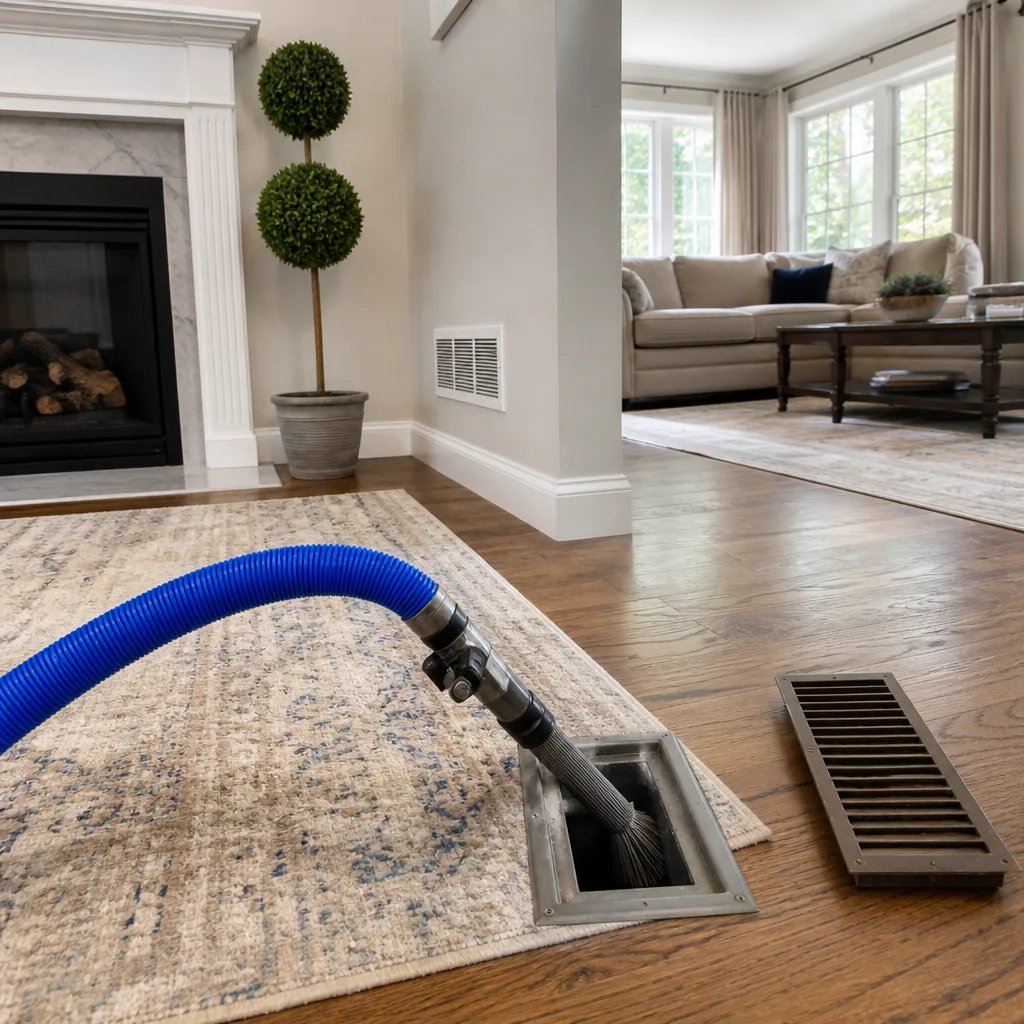 Whole-home duct cleaning
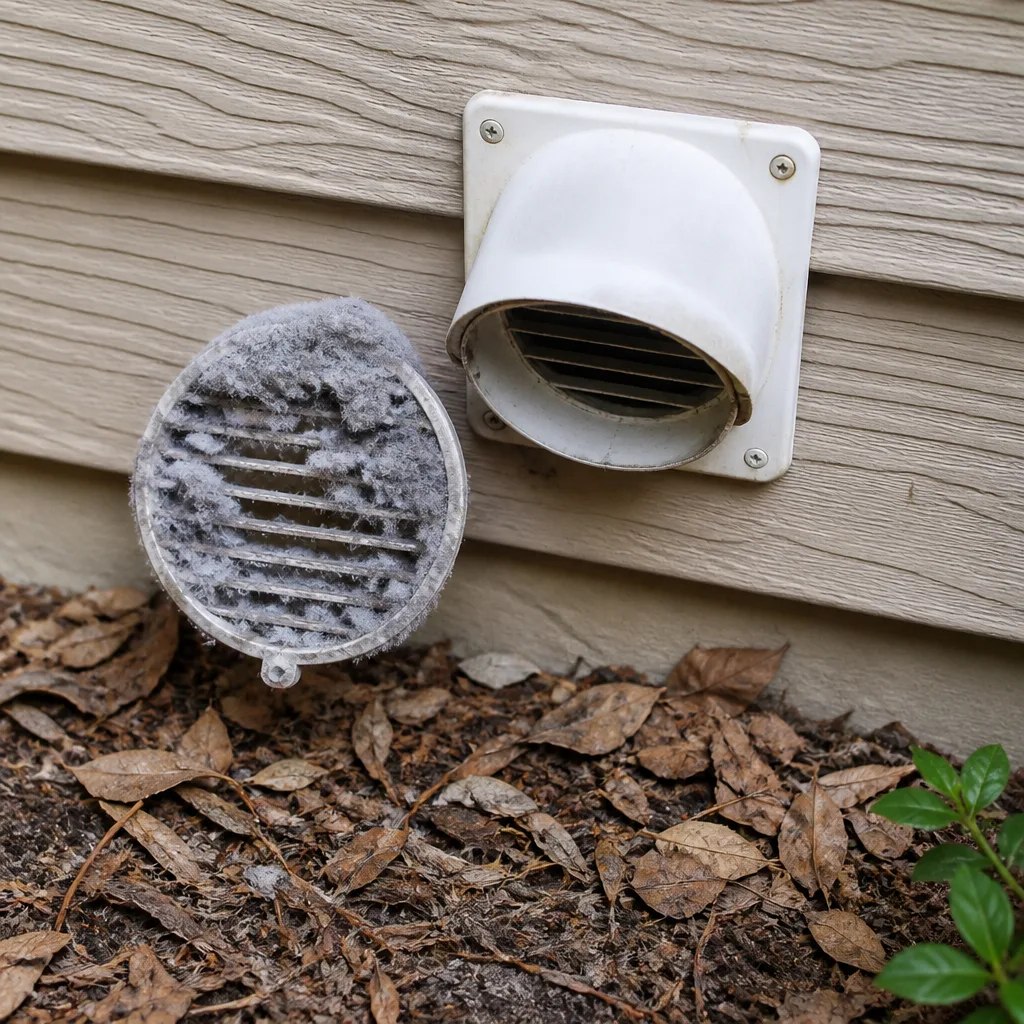 Dryer vent cleaning
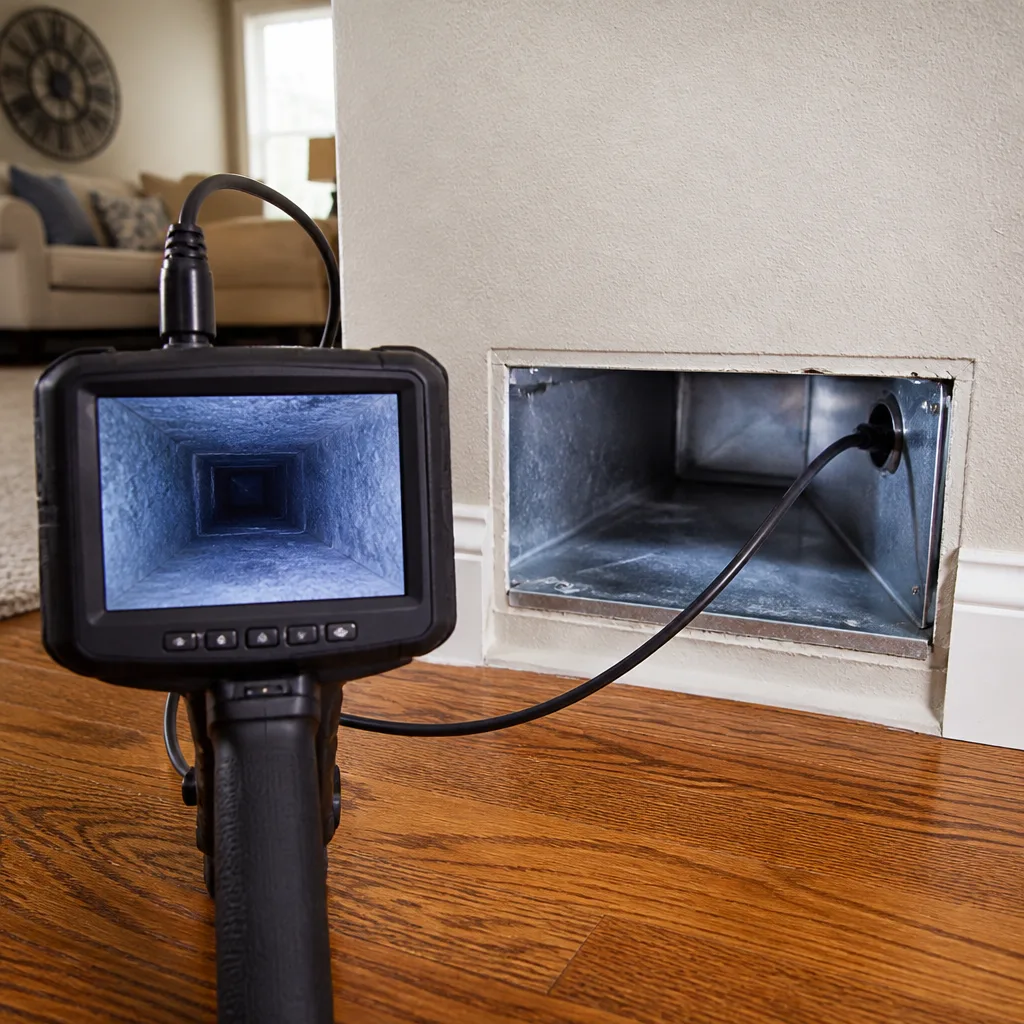 Camera inspection
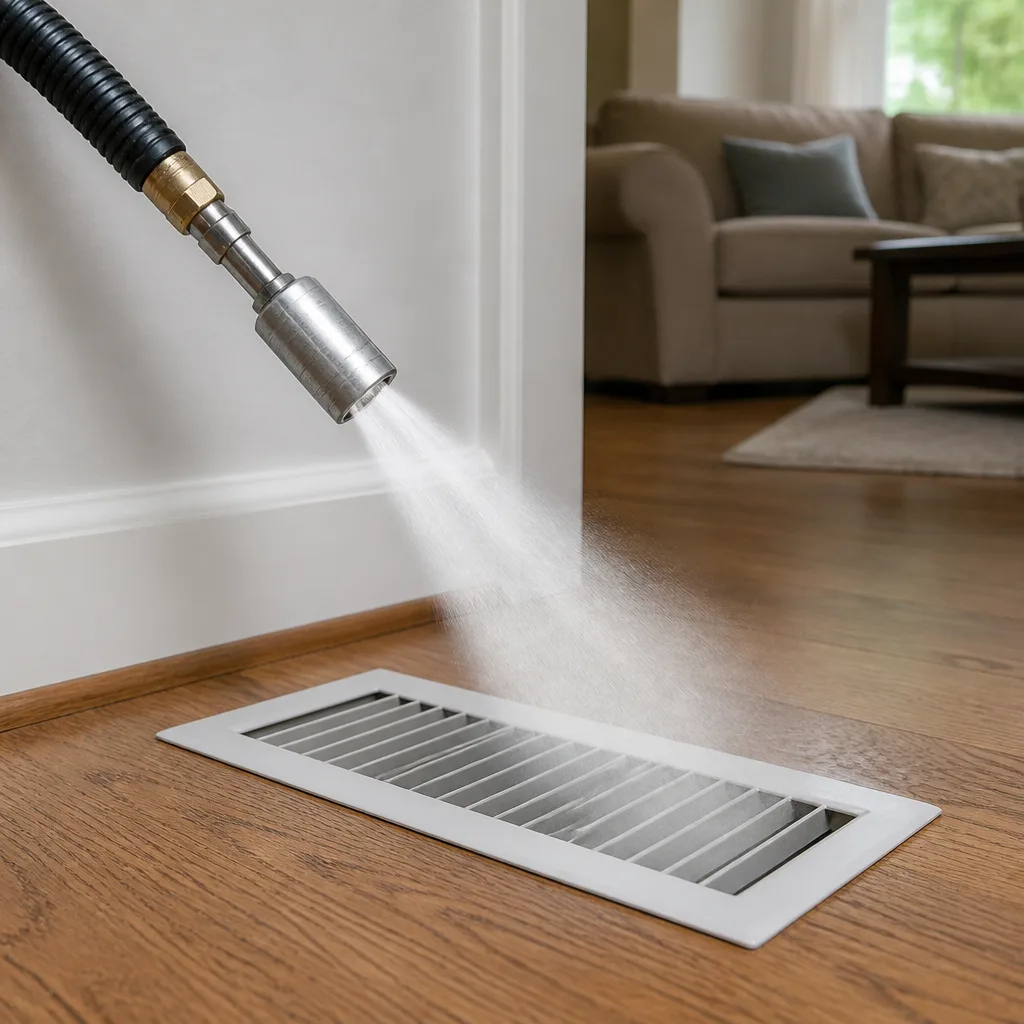 Sanitizing & deodorizing
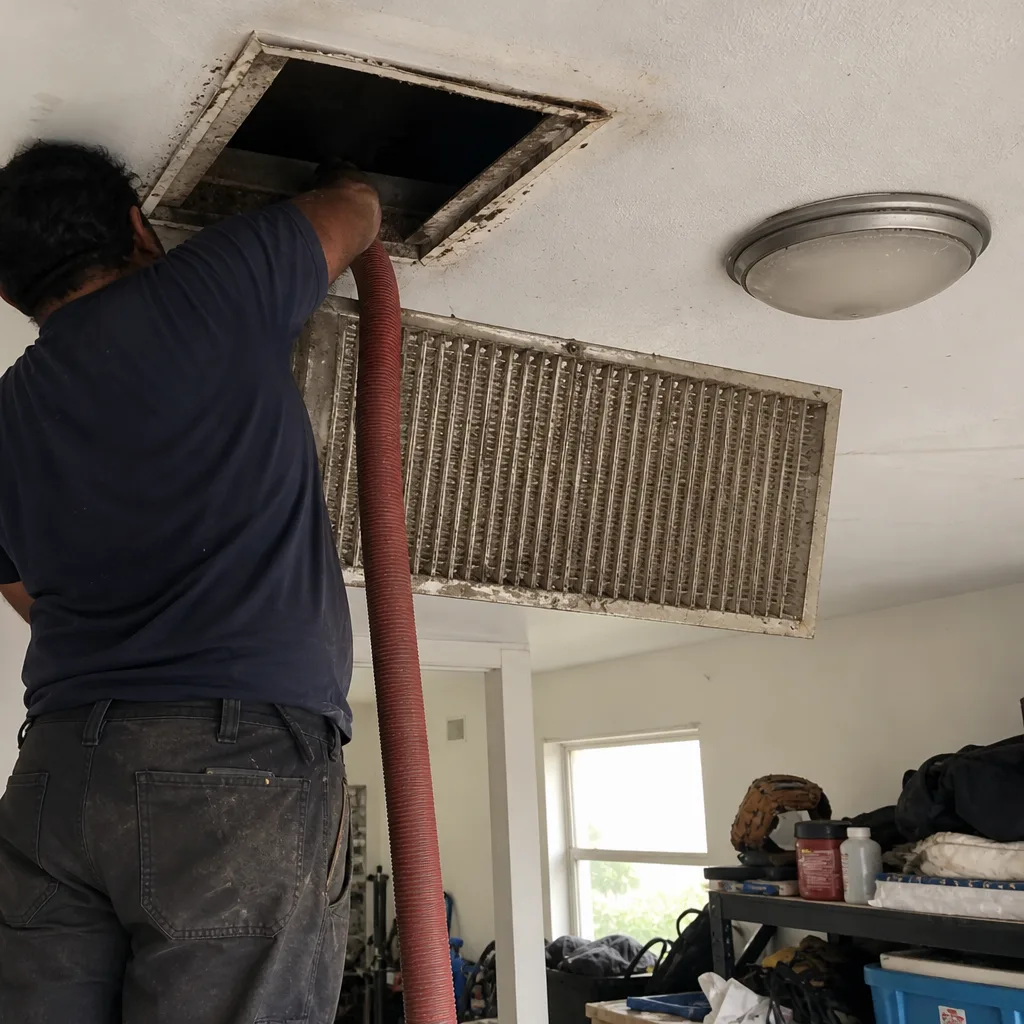
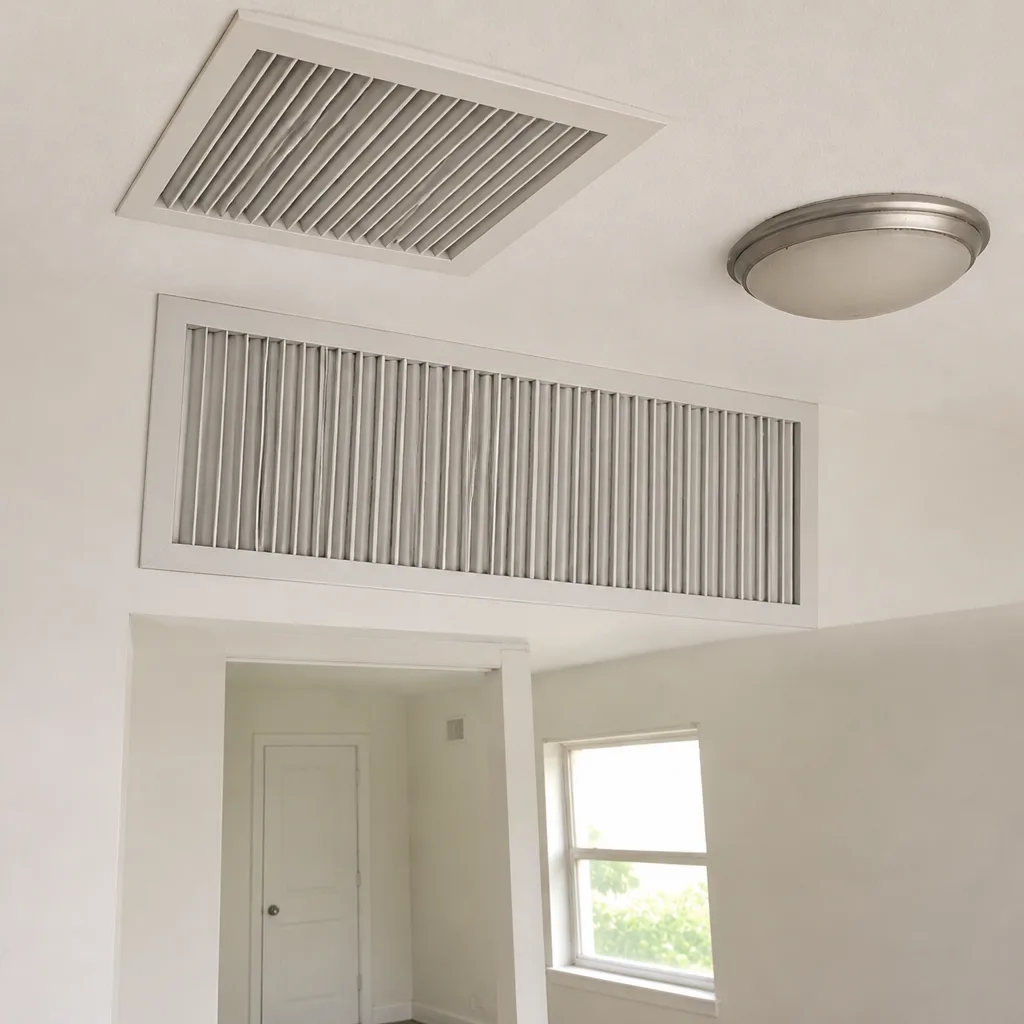
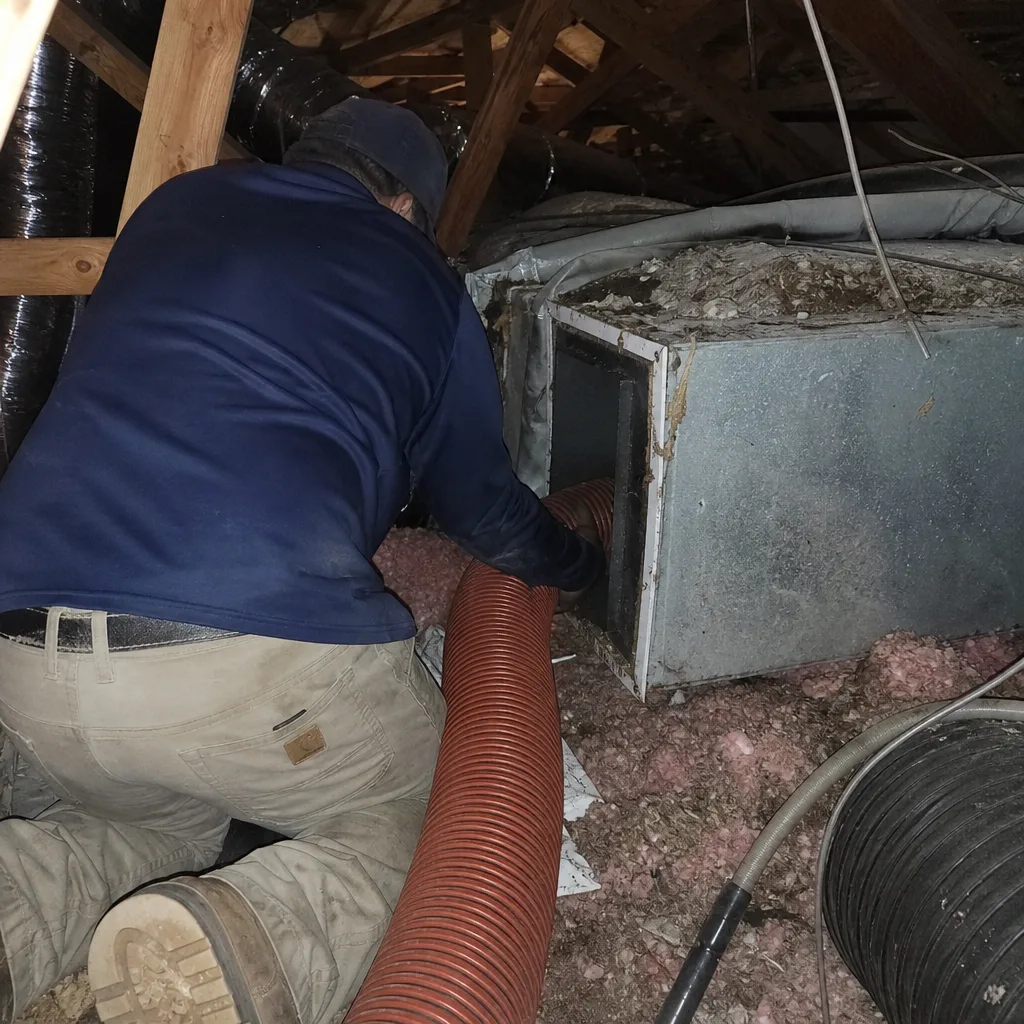
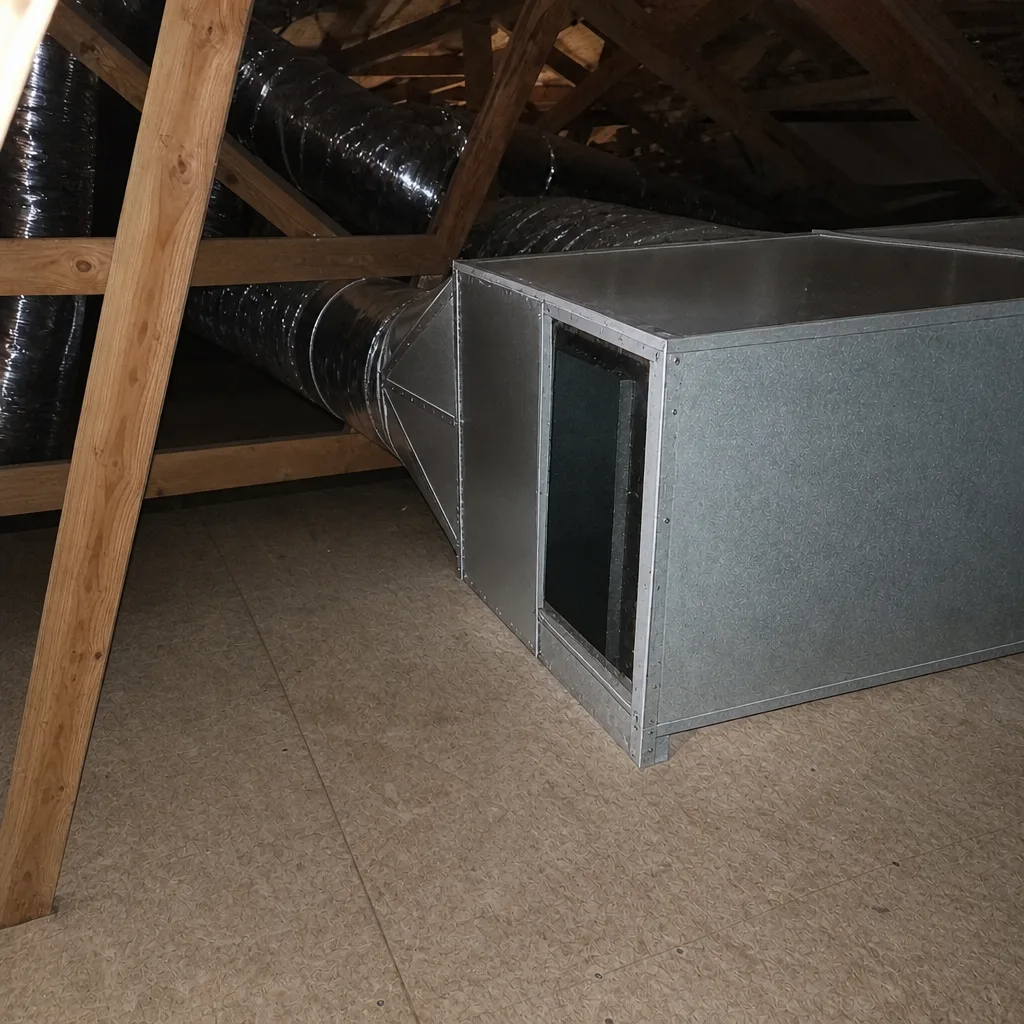
Whole-system duct and dryer vent check with before-and-after photos - you see exactly what came out of your vents
That "$99 whole-house special" is a bait ad - the real number appears once they are in your hallway, or the "clean" is a shop-vac at the register. We photograph the inside of your ducts before and after instead.
How to Hire an Air Duct Cleaning Contractor in Corpus Christi: A Step-by-Step Guide
The duct cleaning industry has a fraud problem, and it’s well known enough that the EPA has issued a public warning about it. The typical scam is simple: advertise a whole-house cleaning for a number that sounds too good to pass up, get the truck to the driveway, then manufacture a reason the price has to climb. What almost no homeowner is told is that the vetting happens before anyone opens the system. Three questions asked in a phone call separate a remediation contractor from a man with a shop vac and a logo. This guide gives you the interview script, the equipment questions, the pricing red flags, and the scope documents that make you the one in control of the job – written from a duct specialist’s side of the table in Corpus Christi.
Quick Answer
To hire an air duct cleaning contractor in Corpus Christi, verify three things before you book: the equipment is a professional contact-vacuum collection system (not a shop vac or a leaf blower), you get a written scope of work with a flat price per system before anything starts, and the company can point to remediation-grade vacuum and filtration equipment. Walk away from teaser pricing, verbal-only quotes, and any technician who pressures you into UV lights or “bio-spray” add-ons mid-job.
Styles & brands we work with
- Whole-home duct cleaning
- Dryer vent cleaning
- Camera inspection
- Sanitizing & deodorizing
Table of Contents
- Why Corpus Christi Homeowners Get Burned
- The Three Questions to Ask Before You Book
- Equipment: The Questions That Expose a Pretender
- What NADCA Certification Actually Certifies
- How to Verify a Contractor Is Actually Licensed in Texas
- What a Legitimate Job Scope Document Looks Like
- Pricing Red Flags and Upsell Tactics to Walk Away From
- The Disqualifying Red Flags Checklist
Why Corpus Christi Homeowners Get Burned
Corpus Christi has a market profile that attracts low-credential operators. A seasonal workforce that shifts with the refineries and the port means transient renters and short-term owners who book a cleaner once and never see the technician again. Dense single-family neighborhoods on the Southside and along the bayshore add volume, and volume is what a fly-by-night operator wants. He isn’t building a reputation in Corpus Christi. He’s harvesting a route.
The HVAC filter lifestyle here matters too. Summer humidity runs high, and a system that keeps the windows closed against it is working hard all year. When return ducts and supply trunks load up with dust, pet hair, and construction debris from ongoing remodels, homeowners start noticing musty smells or weak airflow. That’s the moment a bait-and-switch ad finds its mark. The homeowner is already worried, and a low advertised number looks like relief.
What makes Corpus Christi a harder market to shop in is the mix itself. You can find a legitimate remediation contractor and a guy running a consumer vacuum out of a sedan advertising in the same feed. Nothing in a review star average tells you which is which. What tells you is the equipment list and the paperwork.
We’ve seen the aftermath often enough to know the pattern: a homeowner paid for a “whole-house” cleaning, got half an hour of blowing dust around a ceiling register, and ended up with more debris in the system than they started with. The fix isn’t a better coupon. It’s a vetting framework you use on the phone, not in the driveway.
The Three Questions to Ask Before You Book
You don’t need an hour with a contractor to know if they’re serious. Three questions on the phone will do it. Ask all three, write the answers down, and compare them across every company you call.
- “What collection vacuum do you use, and what’s on the truck?” You’re listening for a professional contact-vacuum system with enough suction to move debris through the entire duct run, and a negative-air machine to keep contaminants contained. Rotobrush brushing systems and Nikro negative-air units are the equipment professional remediation crews run. If the answer is “a shop vac” or there’s a long pause, stop the call.
- “Can I get a written scope with a flat price per system before you start?” Legitimate contractors put the work in writing – what gets cleaned, what gets inspected, what the price is – before anyone opens a register. A verbal-only quote with a range that depends on “what we find” is a setup for the price to move once you can’t back out.
- “Do you do repair, or only cleaning?” This one filters harder than people expect. A company that only cleans will clean around a crushed flex run, a gap at a boot, or a disconnected trunk and hand you a bill. A company with real repair capability fixes the structural problem, because a cleaned duct that leaks is still a broken system. Ironside handles the whole pathway – cleaning, repair, and the filtration equipment in between.
Record the answers. If a company can’t answer the first question without hedging, you already know what you need to. If it can’t answer the third, you know the scope of what they can actually accomplish. Those two data points are worth more than any review-site rating.
Equipment: The Questions That Expose a Pretender
Equipment is where a pretender falls apart. Cleaning a residential duct system isn’t about blowing air into a register. It’s about creating controlled negative pressure so that the entire system, from return grille to supply boot, is under vacuum while a brush agitates the surfaces. Then the debris travels to a collection point instead of into your living room.
Here’s what to ask, and what a competent answer sounds like:
- Collection system type. “Truck-mounted or portable contact vacuum?” Either can be legitimate, but the answer should be specific. Truck-mounted units run high airflow and are ideal when the vehicle can park close. Portable high-CFM units are what remediation crews use inside when access is tight or when the home is occupied.
- Airflow rating. Ask for the CFM (cubic feet per minute). You don’t need to memorize the number. You need to hear that the contractor knows it. A real operator will tell you the rating and explain why it matters for the size of the system in your home.
- Negative-air and filtration. Ask if they use negative-air machines and HEPA filtration during the job. Abatement Technologies equipment is what crews reach for when a system has mold concerns, heavy construction debris, or post-remodel contamination. A contractor who has that gear can handle the messy jobs. One who doesn’t will promise you a “standard cleaning” and hope nothing nasty turns up.
- Agitation method. Contact-vacuum brushing means a rotating brush physically scrubs the duct interior. Compressed air alone just pushes the problem down the line. Ask which one they use.
- Camera inspection. Ask whether they scope the ducts before and after. Before-and-after photos of your own system are the proof the work happened.
What this tells you about air duct cleaning is that it’s a mechanical job with measurable inputs, not a spray-and-pray service. A contractor who can name the equipment, the airflow, and the filtration method is operating on a different level than one advertising a price per vent.
What NADCA Certification Actually Certifies
The National Air Duct Cleaners Association (NADCA) matters – more than the other certifications floating around in this trade – but it’s frequently misunderstood. Homeowners treat the NADCA stamp as a rubber stamp that automatically means good work. It isn’t. It certifies something specific, and you need to know exactly what.
NADCA certification means the individual (not necessarily the company) passed a written exam and meets continuing-education requirements on duct cleaning standards and assessment. They’ve been tested on the why and the how. What it does not certify is the equipment on the truck, the quality of the company’s management, whether the crew follows the standards once they’re on the job, or that the company has the repair capability to handle what it finds.
So the right way to use NADCA in your shorthand is this:
- Ask if there’s a NADCA-certified technician on the crew, and ask which one.
- Treat the certification as a floor, not a ceiling. It tells you the person has been trained on the standard. It doesn’t tell you they’ll follow it in your house.
- Add the equipment and scope questions on top. A NADCA-certified technician running the wrong vacuum still leaves you with a dirty system and a clean invoice.
The point isn’t to dismiss certification. It’s to use it honestly. The equipment list, the scope document, and the flat price are what protect you. NADCA is a supporting signal, not the whole answer.
How to Verify a Contractor Is Actually Licensed in Texas
Here’s a piece of the puzzle most homeowners miss: Texas doesn’t license the trade of duct cleaning itself the way it licenses electricians, plumbers, or HVAC contractors. A company can hold a general business registration, print it on a card, and call itself a “licensed duct cleaning contractor.” That statement isn’t always what it sounds like.
The verification you actually want is layered:
- Verify insurance. Ask for the certificate of insurance that names general liability coverage. A legitimate contractor carries it. Insured & bonded is the phrase to look for, and they should be able to send you the certificate without a fight. If they can’t, they aren’t protected if they damage your home.
- Check the HVAC contractor license if they bid HVAC work. If a company performs any HVAC mechanical work – replacing a run, modifying the trunk, installing a new register – Texas requires that work to be done under an HVAC contractor license. Ask for it, and check it with the state’s licensing body. Duct cleaning itself is a separate scope. This is a distinction worth understanding when you’re shopping.
- Confirm the work is inside a home, not a crawlspace. Ask for the certificate for the specific crew that’s coming. Some companies carry coverage under a main permit that doesn’t cover residential work.
- Check the business entity. A quick search of the Texas Secretary of State’s business filings shows whether the company is a registered business entity. That’s the minimum – not the proof, but a start.
A contractor who answers these questions quickly and completely is an operator who is used to being asked. A contractor who deflects, gets defensive, or says “insurance is handled by the owner” without a name is telling you something. Watch that reaction for what it is. For you, the practical upshot is simple: ask for the green certificate every time.
What a Legitimate Job Scope Document Looks Like
A legitimate scope-of-work document makes the job legible before it starts. It’s a written record of exactly what will be cleaned, how, and at what price. Verbal-only quotes are a liability for the homeowner because the moment the technician is in your house, you have no leverage and no record of what you agreed to. The document is your only defense against the most common scam in this trade.
Here’s what a proper scope of work contains:
- System inventory. Number of supply runs, number of returns, square footage of the conditioned space, and any duct types that need special handling (flex, hard pipe, ductboard).
- Cleaning procedure. The agitation method, the collection system being used, and the negative-air setup. Spelled out, not implied.
- Inspection terms. A pre-cleaning camera inspection and a post-cleaning inspection. Before-and-after photos of your own system are part of the deliverable.
- Repair items identified. Gaps, disconnected runs, crushed flex, damaged boots, and any component that needs repair which isn’t covered by the cleaning scope. This is where the flat price per system gets protected – repairs go on the scope, not on a surprise invoice.
- Dryer vent scope if bundled. The dryer vent is a separate system with its own fire risk. It should be listed as its own line, not lumped in as “we’ll take a look.”
- The flat price. One number per system. Not a per-vent price, not a range, not “starting at.”
- Signatures and date. Yours and the company’s. The document is signed before the first register is opened.
If you get a written scope that’s missing more than one of those, ask for a revised one. If a company pushes back on putting it in writing, that answer is disqualifying. For dryer vent cleaning the scope should specifically call out lint removal, vent run length, and termination point – the stuff that decides whether your dryer vent is actually clear or just less blocked.
Pricing Red Flags and Upsell Tactics to Walk Away From
Pricing is where the bait-and-switch lives. A company advertises a number that’s too low to represent real labor, gets a truck to your door, and then the invoice changes. Legitimate pricing is a whole-system estimate based on the size of the system and the work involved, written down before the technician starts. A price-per-vent model is a warning sign: cleaning that treats every vent identically rarely cleans the actual system.
What to watch for:
- Teaser coupons. Any whole-house number that’s dramatically below what a professional cleaning costs is a lead-generation figure, not a price. Ask what the total will be after the coupon is applied and after the technician has inspected the system. If the answer is “we’ll see,” walk.
- “Your ducts are moldy, we can treat them.” Real remediation crews don’t diagnose mold from a register. They scope the system, document what they find, and recommend a scope. Any contractor quoting mold remediation on the spot, before a proper inspection, is selling anxiety.
- “Bio-spray” add-ons. If a technician recommends a chemical spray mid-job without having discussed it in the scope, that’s an upsell. Duct cleaning is a mechanical service, not a chemical one. If they suggest it after the job starts, you have your answer about the quote.
- UV light pitches. A UV light in the ductwork is a separate product decision. It has nothing to do with the cleaning you booked. If it appears mid-invoice, that’s pressure, not advice.
- “We found more ducts.” This is a real red flag in Corpus Christi, where housing stock ranges from older pier-and-beam homes to newer construction. If a contractor shows you a count of runs on the doorstep that doesn’t match the original scope, ask to see the inspection photos and the photo of the system before anything else changes. The scope document is your leverage.
- Verbal-only quotes. The single biggest risk. No written scope, no signature, no flat price – no job.
The price is set per job by the written estimate. That’s the rule we work by, and it’s the structure you should demand everywhere. The estimate is free. What the technician finds may change the repair scope, but it doesn’t change the cleaning price you agreed to.
The Disqualifying Red Flags Checklist
Here’s the walk-away list. If any one of these turns up, you don’t need to keep interviewing the contractor.
- No professional contact-vacuum system. A shop vac or a leaf blower in the driveway is a hard no. This means the “cleaning” is just moving air.
- No written scope and no flat price. If the verbal quote is a range and the paperwork is a handshake, you’re on the hook for whatever they invent.
- Teaser pricing with a required “inspection fee.” A legitimate inspection is part of the cleaning. Any fee structure designed to get a technician through the door and then charge for the reveal is a red flag.
- No repair capability. If they only clean, they’ll leave the failing run in place and tell you somebody else will fix it.
- No before-and-after photos. The work should be documented on your own system, not a stock photo.
- Pressure to add UV lights, bio-spray, or “sealer” mid-job. Every add-on that appears after the technician is inside is one the quote didn’t cover.
- No verifiable insurance certificate. If the green certificate doesn’t arrive when you ask, don’t let anyone into your system.
- No physical address for the business. A registration without a verifiable location is a transient route operator, not a contractor investing in a reputation.
Corpus Christi homeowners should treat the seventh and eighth items with particular care. Transient-market operators can be hard to trace after the fact, and you want to know who you’re dealing with before there’s a problem.
Common Mistakes to Avoid
- Hiring the lowest advertised number. The lowest number is a marketing decision, not a price. A whole-system cleaning has a real labor cost, and any price below it has to be recovered somewhere, usually in the driveway. Ask what the total will be after the “inspection.”
- Accepting a verbal-only estimate. In Corpus Christi’s market, verbal quotes are the most common fraud vector. Get the scope in writing with a flat price and a signature before the first register opens.
- Ignoring the dryer vent. Homeowners focus on the supply ducts and skip the dryer vent, which is a separate fire risk. Treat dryer vent cleaning as its own scope with its own line item.
- Skipping the equipment question. If you don’t ask what collection system and negative-air machine they’ll use, you find out on the day when the shop vac comes in through the front door.
- Skipping repair scope. Cleaning around a crushed flex run or a disconnected boot means you paid to clean a broken system. Ask whether the contractor can repair, then put identified repairs on the scope.
- Comparing stars instead of answers. Review averages don’t tell you whether the crew knows the airflow rating. The phone script does.
- Hiring without verifying insurance. A contractor who can’t produce a certificate of insurance is a contractor who can’t protect you if the work causes damage.
A duct cleaning is one of those jobs where it’s very difficult to tell good work from bad work after the truck leaves. The before-and-after photos of your own system are the difference. Any contractor who won’t take them isn’t working on a standard you can verify.
See the difference
 Before
 After
 Before
 After
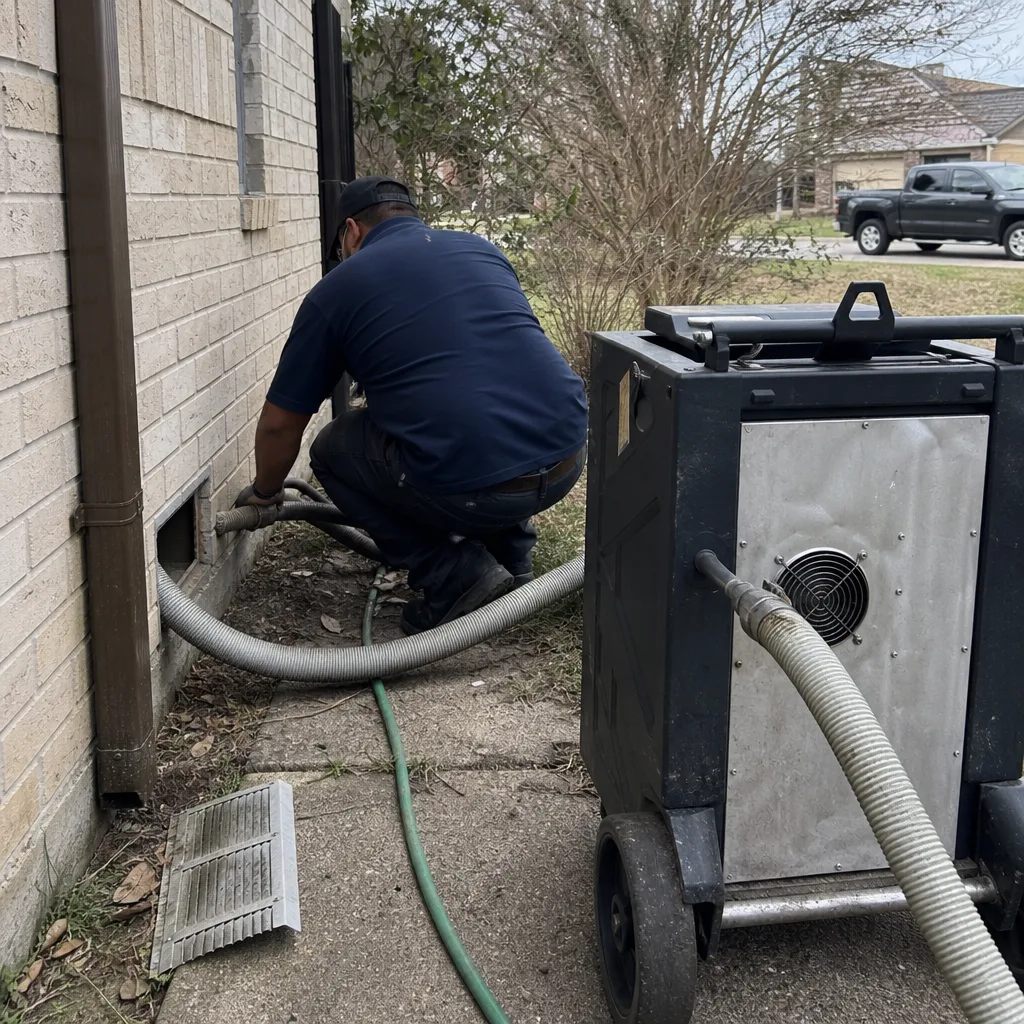 Before
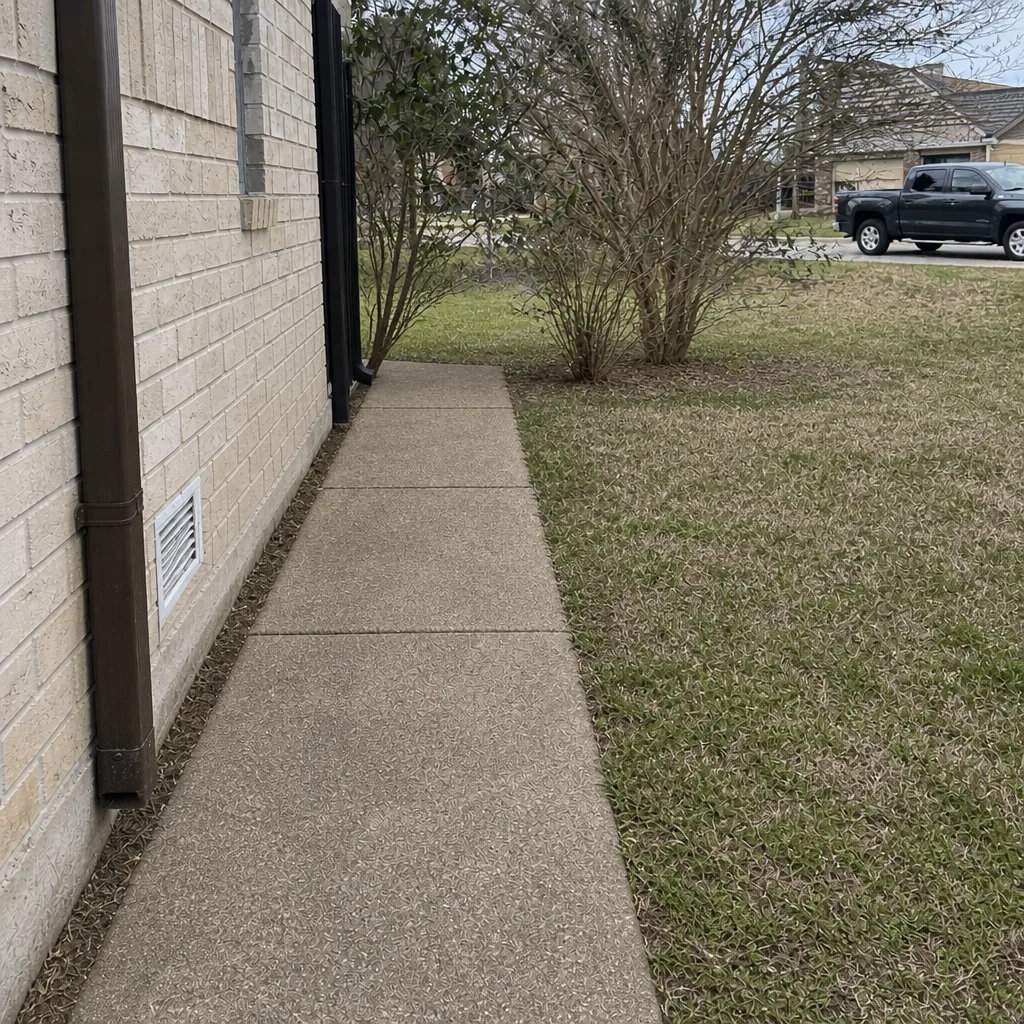 After
When to Call a Professional
Some jobs are for a professional, and some are for a shop-vac and a weekend. Here’s where the line is. If you see visible debris, dust plumes from a register when the air handler kicks on, or a persistent musty smell that comes back after you clean the filter, the system needs a proper cleaning and a camera inspection. If your airflow has dropped and the system has been running the windows closed through a Corpus Christi summer, a professional can diagnose the cause instead of guessing at the filter. If your dryer vent hasn’t been opened up for years, or your dryer runs longer than it used to, the vent run needs a proper clearing – that’s a fire-risk item, and we treat it like one. Structural problems – a crushed run, a gap at a boot, a disconnected trunk – are repair work, not cleaning work, and most generalists refer them out.
What you shouldn’t do is let anyone with a consumer vacuum and a business card into your duct system because the price is low. Ironside Duct Cleaning offers free estimates in Corpus Christi. Call (833) 435-2252. We answer 24/7. Fast dispatch from 7am to 7pm, Sunday through Friday.
Frequently Asked Questions
Air duct cleaning in Corpus Christi is priced as a whole-system estimate, not per vent. A typical residential cleaning falls in a range that reflects the system size, the number of supply and return runs, and whether repairs or extra filtration are needed. The written estimate sets the final price, and the estimate is free. Call (833) 435-2252 for an exact quote – estimates are free.
Because a teaser price is not a cleaning price. A very low advertised number is designed to get a truck to your door; once the technician is inside, the price moves through “inspection findings” or add-on pitches. Real whole-system cleaning has a real labor cost. A contractor quoting dramatically below that cost has to make it up somewhere, and the somewhere is you.
NADCA certification means an individual technician passed the association’s written exam and meets its continuing-education requirements on duct cleaning standards. It’s not a legal requirement in Texas, and it doesn’t certify the company’s equipment or repair capability. Use it as a floor, and check the equipment, scope, and insurance on top of it.
Ask for before-and-after photos of your own system. You should get a camera inspection with the documentation, and the photos should show your ducts, not stock images. A contractor who works to a verifiable standard will have no problem producing them. Call (833) 435-2252 for an exact quote – estimates are free.
There’s no one schedule. Homes with pets, recent remodeling, ongoing construction dust, or noticeable moisture problems need it sooner than a tight, clean home without those factors. If your filters load up quickly or airflow keeps dropping, ask for a camera inspection first. The inspection tells you whether a cleaning is warranted instead of guessing.
Yes. Dryer vent cleaning is a separate scope with its own fire-risk considerations, and it should be a distinct line item in the estimate, not bundled into the duct cleaning price. If your dryer vent run hasn’t been serviced in a long time, ask for it to be scoped before the visit. Call (833) 435-2252 for an exact quote – estimates are free.
The Bottom Line
The reason vetting matters more than a star rating in Corpus Christi is that the stars don’t tell you who shows up. What protects you is the phone script: ask what collection vacuum and negative-air equipment they run, ask for a written scope with a flat price per system before work starts, and ask whether the company can repair what it finds. Name brands like Rotobrush, Nikro, and Abatement Technologies in your questions and listen for whether the contractor knows what they are. If they do, you’re talking to a professional. If they don’t, you’re talking to a coupon. Either way, you found out before anyone opened your system.
Ironside Duct Cleaning handles the whole system – air duct cleaning, dryer vent cleaning, and air duct repair – with professional-grade equipment, not shop-vac shortcuts. We work within the Honeywell and Aprilaire product families because we understand the filtration and IAQ equipment attached to the ductwork, not just the ducts themselves. Our technicians have up to 12 years of experience. To get a written, flat-price estimate for your home, call (833) 435-2252. We answer 24/7. Fast dispatch from 7am to 7pm, Sunday through Friday.
Written by the team at Ironside Duct Cleaning.