
Last updated November 14, 2026
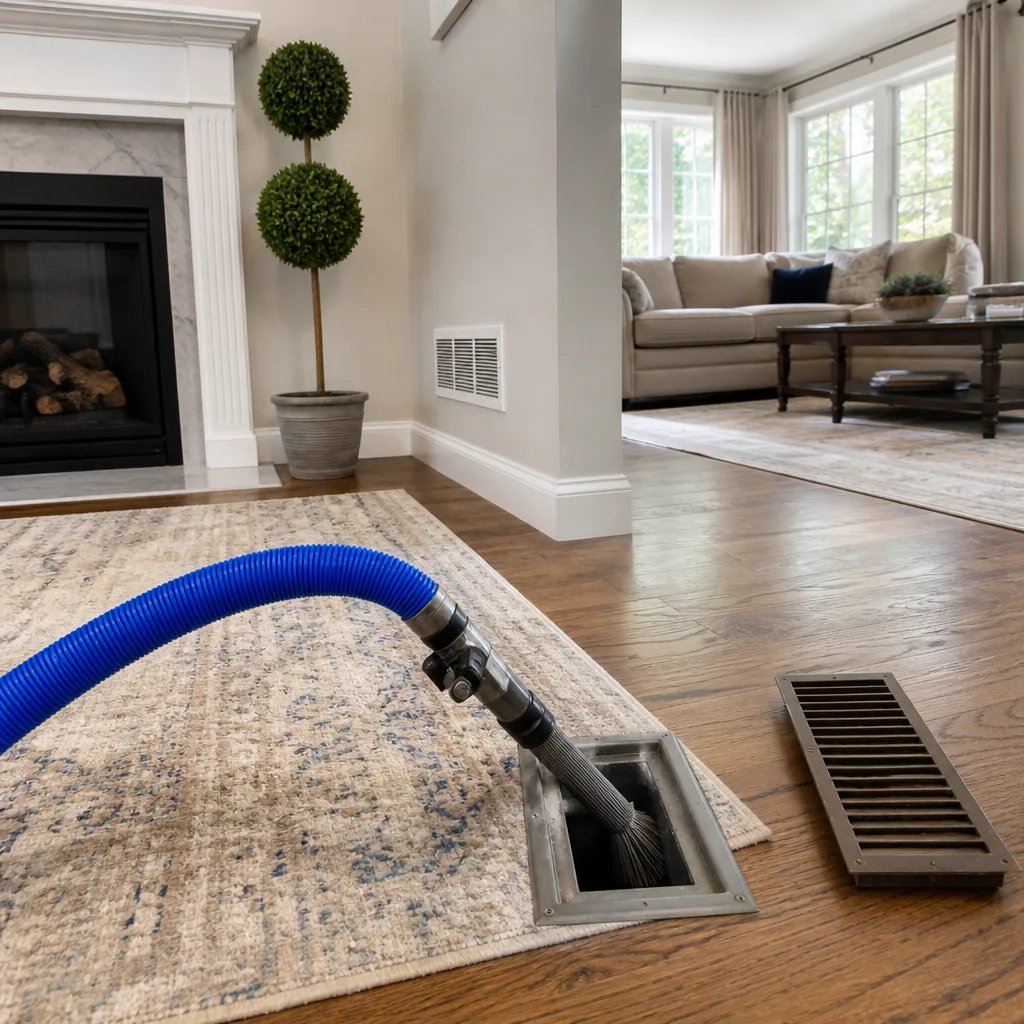 Whole-home duct cleaning
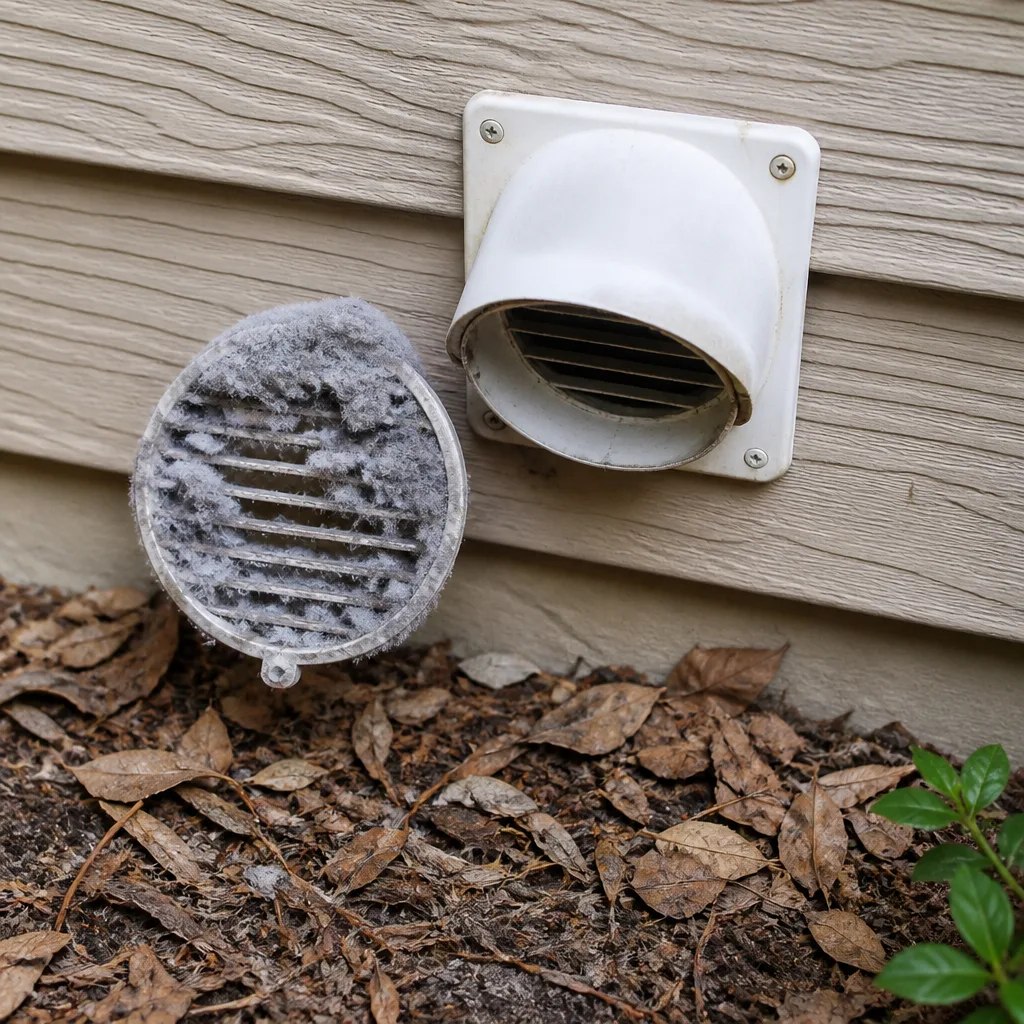 Dryer vent cleaning
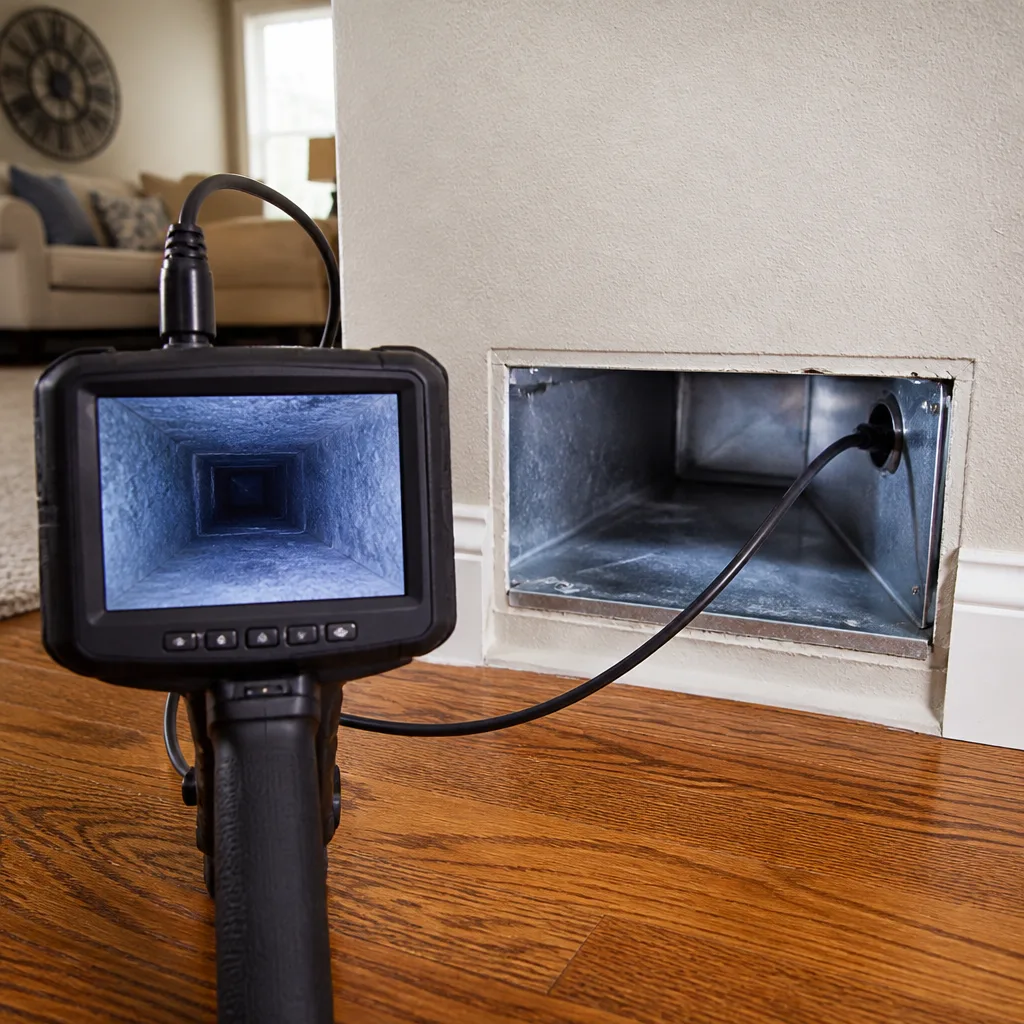 Camera inspection
 Sanitizing & deodorizing
Whole-system duct and dryer vent check with before-and-after photos - you see exactly what came out of your vents
That "$99 whole-house special" is a bait ad - the real number appears once they are in your hallway, or the "clean" is a shop-vac at the register. We photograph the inside of your ducts before and after instead.
Air Duct Cleaning Maintenance Checklist for Corpus Christi Homeowners
Most duct maintenance checklists handed out to homeowners were written for a cold, dry climate. They tell you to watch for ice dams, check for frozen condensate, and clear snow from the intake. None of that applies here. What does apply in Corpus Christi is humidity that stays high for months, windblown sand that finds every gap in a flex duct connection, and the sharp shift in conditions that arrives when a tropical system moves through. This guide gives you a practical owner’s inspection routine built around those specific points. You’ll learn what to look and smell for at your registers, how to log filter changes so a future contractor can actually use the data, and which tasks are safe for you to handle versus which ones can void a warranty.
Quick Answer
A workable air duct maintenance routine for a Corpus Christi home combines a monthly visual and smell check at registers and the air handler cabinet, a filter-change log you actually keep, and a full professional cleaning every few years or sooner if you spot specific warning signs. Corpus Christi’s humidity and windblown sand speed up buildup on return grilles, drain pans, and flex duct joints, so local homes tend to need between-schedule attention more often than the generic “every three to five years” advice suggests. Professional cleaning, dryer vent servicing, and structural duct repair handle the parts of the job a homeowner cannot safely reach.
Styles & brands we work with
- Whole-home duct cleaning
- Dryer vent cleaning
- Camera inspection
- Sanitizing & deodorizing
Table of Contents
- The Monthly Walkthrough: What to Look and Smell For
- Seasonal Checks Tied to the Corpus Christi Weather Calendar
- Building a Filter and Airflow Log That Actually Helps a Contractor
- Measurable Signs It’s Time to Call Before the Schedule Says So
- Which Maintenance Tasks Are Safe for Homeowners
- What Can Void a Manufacturer Warranty
- Post-Storm Inspection Checklist
- Working With a Duct Specialist Between Cleanings
The Monthly Walkthrough: What to Look and Smell For
A monthly walkthrough takes about ten minutes and catches most developing problems before they become expensive. You’re not trying to clean anything on this pass. You’re reading your system the way a mechanic reads a dashboard. Grab a flashlight and a notepad, and go through the house in the same order every month so you’ll notice when something changes.
Start at the supply registers. Run the system and hold a piece of tissue or a thin strip of paper against the grille. You want steady, even deflection across the whole face. A register that barely moves the paper compared to others on the same zone is telling you something: a crushed flex run, a disconnected joint in the attic, or a damper that’s drifted shut. Look at the grille surface too. A dull gray film that wipes off easily is normal dust. A dark, sticky film, or visible speckling that doesn’t wipe away, means moisture is involved and it warrants a closer look.
What to Check at Each Supply Register
- Airflow evenness: compare deflection across registers on the same zone. Big differences point to a duct problem, not a filter problem.
- Surface film: light gray dust is routine. Sticky, dark, or speckled buildup suggests condensation or a moisture source upstream.
- Condensation: in a Corpus Christi summer, a supply register that sweats is common at first start-up but should clear. Persistent condensation on the boot or the ceiling around it means the boot isn’t sealed or insulated properly against the humid attic air.
- Odor: near the register, smell for musty, sour, or “wet dog.” Any of those means moisture is sitting somewhere in the pathway.
Next, the return grilles. Pull the grille if it lifts off easily and look at the filter and the shelf behind it. Sand accumulating on the return side is a Corpus Christi signature. Windblown dust gets pulled in through every door and window gap during the dry, windy stretches, and the return is where it collects first. A thin, even dusting is normal. Visible drifts, or sand reaching past a filter that seats properly, tell you the filter is either wrong for the slot or not sealing.
Finally, open the air handler cabinet if you can do so without tools and the unit is off at the breaker. Look at the drain pan and the cabinet interior. You’re checking for standing water, rust lines, and sludge in the drain line. We’ve seen drain pans in Corpus Christi homes rust through faster than the climate north of here would suggest, because the pan sits in an attic that stays humid and warm most of the year and the condensate never fully dries. A stainless pan lasts longer than a stamped steel one. If yours is rusting through, that’s a repair, not a cleaning.
Seasonal Checks Tied to the Corpus Christi Weather Calendar
Corpus Christi has a weather calendar that shapes duct maintenance in ways a generic checklist ignores. Hurricane season runs from June through November, and the run-up to it plus the aftermath of any storm are the two moments your duct system faces its hardest tests. Summer is a long, hot, humid stretch where the air handler runs almost continuously and condensate production stays high. The mild winter is the best window for a full professional cleaning, because the system sits idle more and the attic is bearable to work in.
Pre-Hurricane Season (Late Spring)
Before the season starts, walk the attic or wherever the flex duct runs and look for sagging, pinched, or disconnected lines. Secure any loose insulation that could blow against a joint during high wind. Check that attic vents and gable openings aren’t blocked. If you plan to run the unit while riding out a storm, confirm the return filter seats tightly so wind-driven debris that gets inside stays out of the system. This is also the right time to schedule a professional cleaning if it’s been a while, so you start the season with a clean pathway rather than one carrying months of winter and spring dust.
During the Storm
If you shut the system down during a storm, tape supply and return grilles if there’s any chance of water intrusion through roof or window breaches. Debris and moisture drawn into a running system during a storm is one of the more common ways ducts end up contaminated. Power surges and brownouts can also damage the blower, so keep an eye on airflow after power returns.
Post-Storm
After any tropical system passes, do a dedicated inspection before you run the system for the long haul. The post-storm checklist below covers the specific points. The short version: check flex duct connections in the attic, look for water in the drain pan, and smell the returns before and after running the fan for a few minutes.
Shoulder-Season Startup
When the cooling season ramps up in spring, change the filter once more than usual, run the fan for a few minutes and smell the air, and note any register that behaves differently than it did last summer. That comparison is where the log earns its keep.
Building a Filter and Airflow Log That Actually Helps a Contractor
A filter log is the single most useful thing you can hand a technician who’s about to work on your system. Without it, they’re guessing about buildup rates, and guesses lead to either under-cleaning or over-charging. The log doesn’t need to be fancy. A page taped inside a cabinet door works fine. What matters is consistency and a few specific data points.
What to Record Every Time You Change a Filter
- Date. Simple but the whole point. The interval between changes is the diagnostic signal.
- Filter type and size. Write down the MERV rating and the exact dimensions. If you switch filters, note the change, because a MERV jump affects airflow.
- Filter condition. One word: light, moderate, heavy, or matted. Matted is the one that tells a technician the filter is being overloaded.
- Airflow observation. Do a paper-strip check at two or three registers right before you change the filter and right after. Note whether the deflection clearly improves. If it doesn’t, the filter wasn’t the restriction.
- Visible debris on the return shelf. A quick note on how much sand or dust built up behind the filter.
- Odor note. Any smell at any point during the month.
- Any changes to the house. New flooring, a renovation, a new pet, windows opened more than usual, a storm. These explain odd jumps in the data.
Two things make this log genuinely useful. First, note the interval. If your filter used to last three months and now loads up in six weeks, that change points to a duct breach pulling attic air, a filter that no longer seals, or a return that’s drawing from a dusty space. Second, do the airflow check the same way every time so the readings are comparable. A contractor reading your log can tell the difference between “this filter is too restrictive” and “your return is restricted somewhere downstream,” and those two problems call for completely different work.
Filter Changing and Your IAQ Equipment
If your home has a media cabinet from Honeywell or Aprilaire, the filter slot is designed for a specific filter and a specific depth. Using the wrong thickness lets air bypass the filter entirely, which means your indoor air quality equipment is doing nothing. Write down the replacement part number from the existing filter or the cabinet label. Our technicians work within both the Honeywell and Aprilaire ecosystems, so we can tell you what you’re actually supposed to be running, but your log is what shows whether the filter is doing its job over time.
Measurable Signs It’s Time to Call Before the Schedule Says So
Generic advice says to clean ducts “every three to five years, or if you notice dust.” That’s useless. Here are concrete, observable indicators that a between-schedule cleaning or inspection is warranted in a Corpus Christi home. If two or more are present, it’s worth a professional look regardless of when your last cleaning was.
- Filter interval has dropped by about half. If a filter that used to last three months is now loading in six weeks, the system is pulling in more debris or the duct is leaking attic air.
- Visible sand or grit inside a return. A fine, even dusting is normal. Visible heaps or grit reaching past a properly seated filter is not.
- Persistent musty smell that doesn’t clear after a filter change. If replacing the filter and running the fan doesn’t clear the odor within an hour, the source is downstream.
- Uneven airflow between registers on the same zone. Two registers on the same run that behave differently point to a duct defect.
- Condensation that stays on supply boots in humid weather. Sweating boots mean the insulation or seal is compromised, and moisture in the pathway is a contamination issue.
- Dust settling again within days of cleaning. If dust returns to shelves faster than it used to, the air path is carrying more particulate.
- Drain pan rust or standing water. Not strictly a duct issue, but it signals a moisture problem that will reach the ducts.
- Dryer taking longer than it used to. For your dryer vent specifically, longer dry times or a hot dryer exterior mean the vent needs servicing now, not later.
One of the most reliable indicators is a visible film on the supply diffuser that reappears quickly after you wipe it. Wiping dust off a register is normal housekeeping. Wiping it off and seeing it back a week later means the supply air is carrying particulate from inside the ductwork. That’s the point at which cleaning rather than wiping is the answer.
Which Maintenance Tasks Are Safe for Homeowners
Some maintenance genuinely belongs to you. Some belongs to a trained professional, and attempting the second category can cost you more than the cleaning would have. Knowing the line protects your system and your warranty.
Safe for You to Do
- Change the filter on schedule and log it. This is the highest-value task you own.
- Vacuum the return grille face and the area around it with a household vacuum and soft brush attachment.
- Wipe visible condensation off register faces with a dry cloth, then note where it reappeared.
- Check airflow with a paper strip at each register. No tools, no risk.
- Inspect the attic visually for sagging, kinked, or clearly disconnected flex duct, from a safe standing position on solid footing.
- Keep the area around the outdoor condenser clear of debris and vegetation.
- Flush a condensate drain line following the manufacturer’s instructions, if you’re comfortable doing so.
Hands Off
- Opening the air handler cabinet beyond a visual check. Electrical components and the blower are inside; anything requiring tools is a technician’s task.
- Crawling on attic joists or reaching into tight duct runs. Falls and buried fasteners are a real risk, and flex duct is easily crushed by weight.
- Roto-brushing or rodding the inside of ducts yourself. Consumer duct brush kits damage flex duct, and they push debris into the system rather than out.
- Accessing the furnace or heat exchanger. Gas and combustion components require a trained technician.
- Cutting into ductwork to inspect or seal it. A proper repair restores the seal; a homeowner patch usually doesn’t.
- Touching the electrical panel or wiring. Leave it to a licensed electrician.
Professional duct cleaning uses equipment most homeowners will never own. Our technicians run Rotobrush contact-vacuum brushing systems and Nikro negative-air machines, and we carry Abatement Technologies filtration equipment for jobs with heavier contamination. That’s not a sales pitch; it’s the difference between removing debris and redistributing it. Consumer tools cannot create the negative pressure that keeps debris from spreading through the house while it’s being loosened from the duct walls.
What Can Void a Manufacturer Warranty
Most manufacturer warranties cover the equipment, not the ductwork, but what’s inside the ductwork determines how the equipment performs. Here are the tasks that commonly void coverage if done incorrectly, and the ones that are safe.
Tasks That Can Void Coverage
- Opening sealed components of the air handler or furnace to clean them yourself. Many manufacturers specify that servicing be done by a qualified technician, and breaking a factory seal can end coverage.
- Using chemical cleaners or foggers inside the duct system that aren’t approved for the equipment. Residues can damage components and the manufacturer can deny a claim tied to them.
- Modifying ductwork, dampers, or the blower without proper documentation. Altering airflow changes the load on the equipment and can void the warranty on the unit.
- Running the system with the filter removed or with an incorrectly sized filter that bypasses. Debris reaching the coil or blower is a common denial reason.
- Cleaning with high-pressure air alone that drives debris into the air handler. This is a leading cause of coil damage that manufacturers won’t cover.
Tasks That Are Safe
- Changing filters on schedule with the correct size and rating.
- Visual inspection and logging.
- Wiping external surfaces.
- Keeping the outdoor unit clear.
- Scheduling professional cleaning and repair through a qualified specialist.
If a manufacturer’s warranty is still active on your system, ask the technician before any work begins whether it affects that warranty. Reputable specialists will tell you plainly, and they’ll document what they did so you have a record. Our technicians have up to 12 years of experience and can walk you through exactly what a cleaning involves before a single tool comes out of the van.
Post-Storm Inspection Checklist
Tropical systems bring wind-driven rain, debris, and power fluctuations. Every one of those can affect the indoor air pathway. Do this walkthrough once the storm has passed and it’s safe to move around the house, before you settle back into normal operation.
- Look for water intrusion at the ceiling and attic access. Stains or damp spots near duct runs mean potential moisture in the pathway.
- Inspect return and supply grilles for debris. Wind-driven material can collect against the face of a return.
- Open the air handler cabinet if safe and check the drain pan. A full pan or overflow after a storm can mean the drain line is clogged with debris.
- Check flex duct connections in the attic. Storm wind and shifting insulation can disconnect a joint. A visibly sagging or separated run is a repair.
- Smell the returns before running the fan. Then run it for a few minutes and smell again. A smell that appears after the fan starts means the pathway is carrying moisture or contamination.
- Do a paper-strip airflow test at each register. Compare to your log. A register that lost airflow after the storm is a red flag.
- Change the filter if there’s any question about debris or moisture. Note it in the log.
- Note power fluctuations. If the unit runs weakly after a brownout, stop and call a technician.
Any water intrusion found in the attic near ductwork warrants a professional inspection. Duct insulation that gets wet and stays wet in Corpus Christi humidity is a moisture reservoir that won’t dry out on its own, and the right fix is often physical repair rather than another cleaning. That’s why we offer air duct repair as a named service; we can close a disconnected joint or replace soggy flex, not just clean around it.
Working With a Duct Specialist Between Cleanings
Treat your duct specialist the way you treat a good dentist: you see them on a schedule, but you also check in when something feels off. The relationship works best when you bring information. Your filter log, your airflow notes, and your post-storm observations give a specialist a head start on diagnosing the system rather than starting cold. Here’s how to make that work.
First, keep the log where you’ll actually see it, not in a drawer. Taped inside the air handler closet or held to the fridge with a magnet works. Second, note the “why” alongside the data. “Filter matted in six weeks instead of twelve” tells a technician the system started drawing more debris, which could be a return leak, a changed filter rating, or a new source in the house. Third, don’t wait for a problem to become severe. A small duct defect caught during a routine cleaning is a quick repair. The same defect caught after a season of pulling attic air into the living space is a bigger job.
What to Expect When We Come Out
We diagnose before we clean. That means checking the air handler, the returns, the supply runs, and the structural condition of the ductwork before any equipment goes in. If we find a problem that cleaning won’t fix, we’ll say so. Our toolkit includes professional-grade Rotobrush and Nikro equipment and Abatement Technologies filtration capability, and we work within the Honeywell and Aprilaire product ecosystems when your home has filtration or IAQ equipment attached. Every job is priced as one flat price per system, agreed before work starts, with before-and-after photos of your own ducts so you can see what was done. No per-vent pricing, no surprise add-ons once the technician is inside.
Dryer Vents Deserve Their Own Line in the Schedule
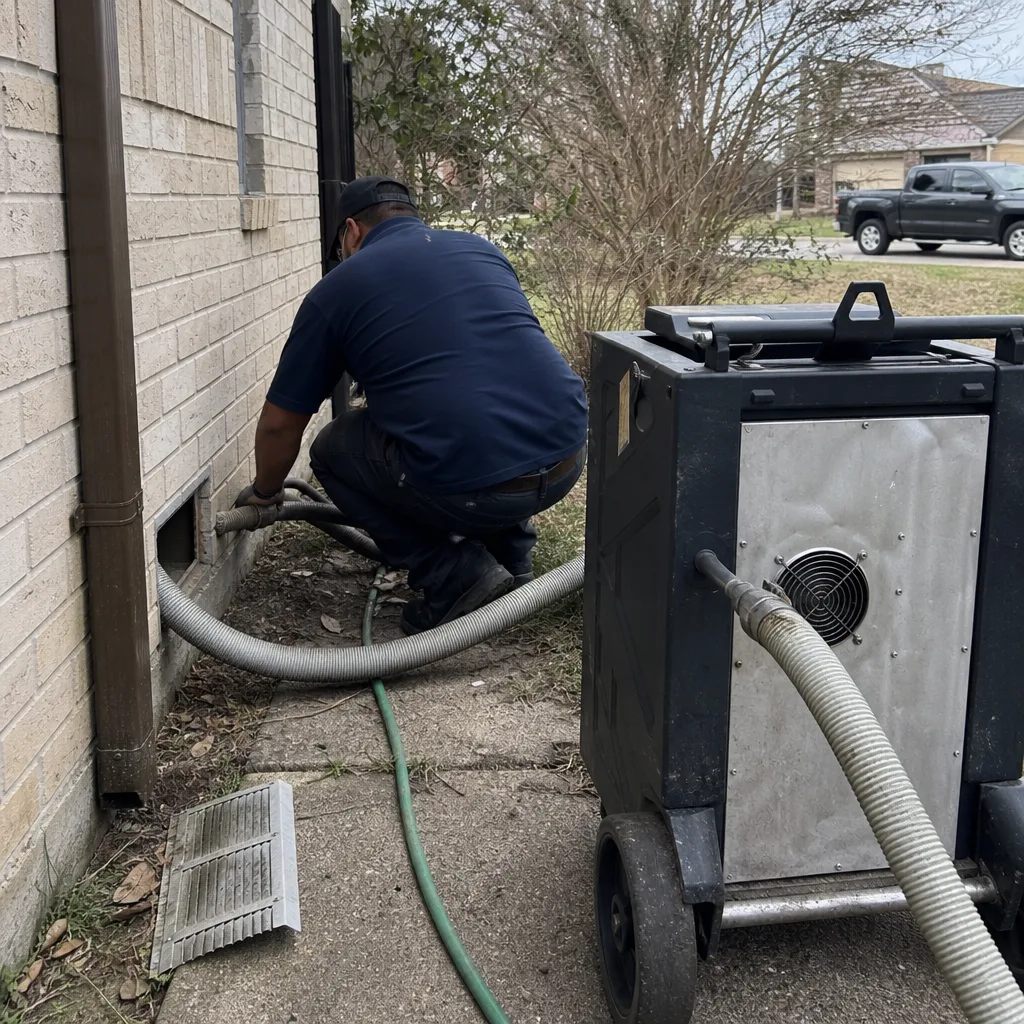
A dryer vent isn’t part of the heating and cooling ductwork, but it sits on the same indoor air pathway, and it’s the part with the most acute safety implication. Lint accumulates in the vent pipe and around the dryer connection, and it’s a leading cause of residential house fires. The failure signs are specific: dry cycles getting longer, the dryer exterior hot to the touch, a musty or burning smell in the laundry room, or visible lint around the vent cap outside. Dryer vent cleaning is a dedicated service for us, not a line-item add-on. We treat it like the fire risk it is.
See the difference
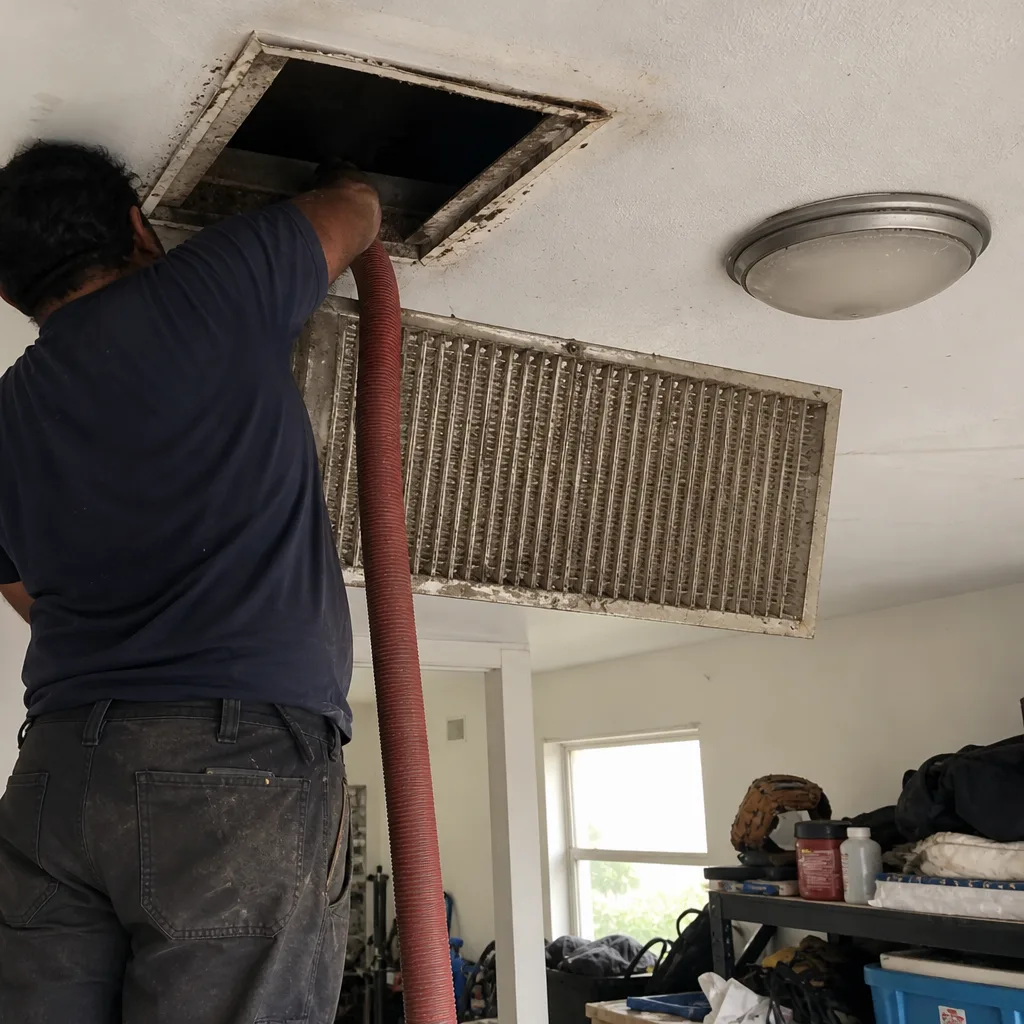 Before
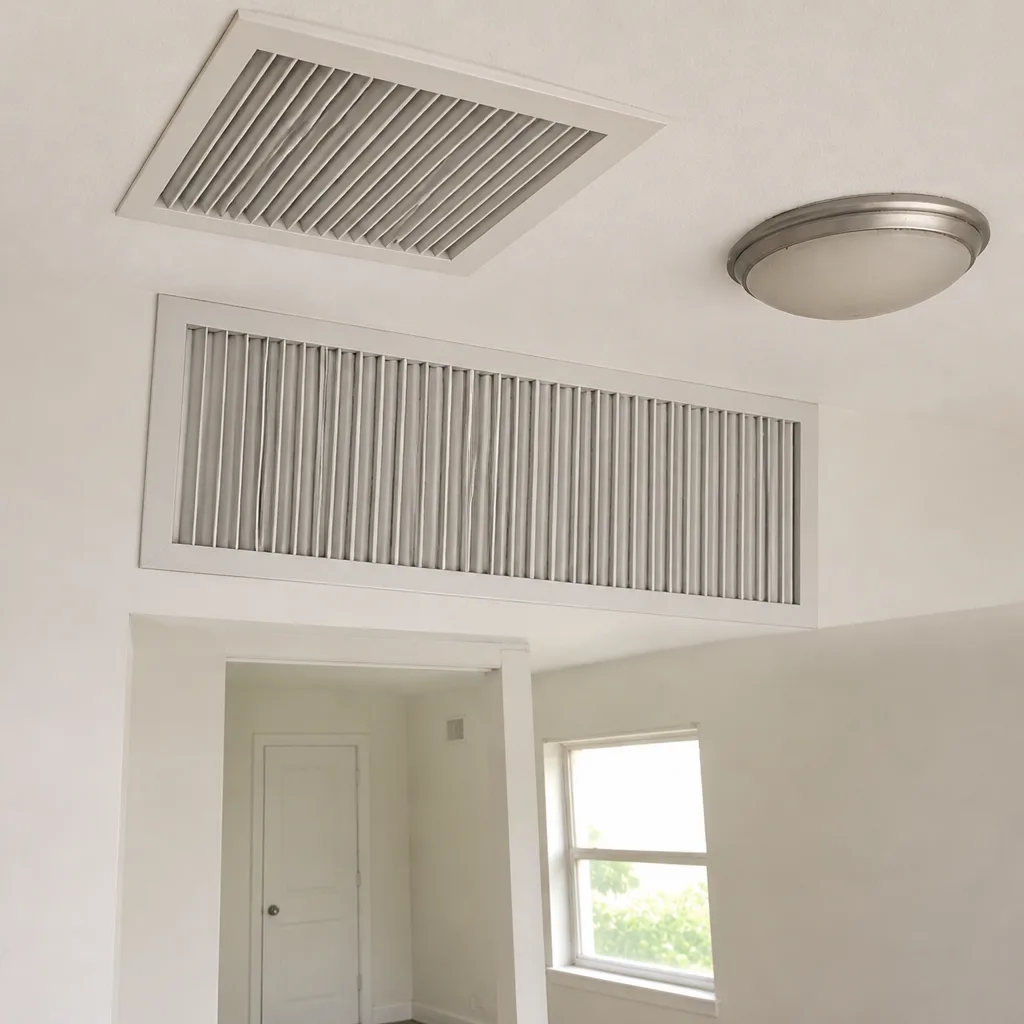 After
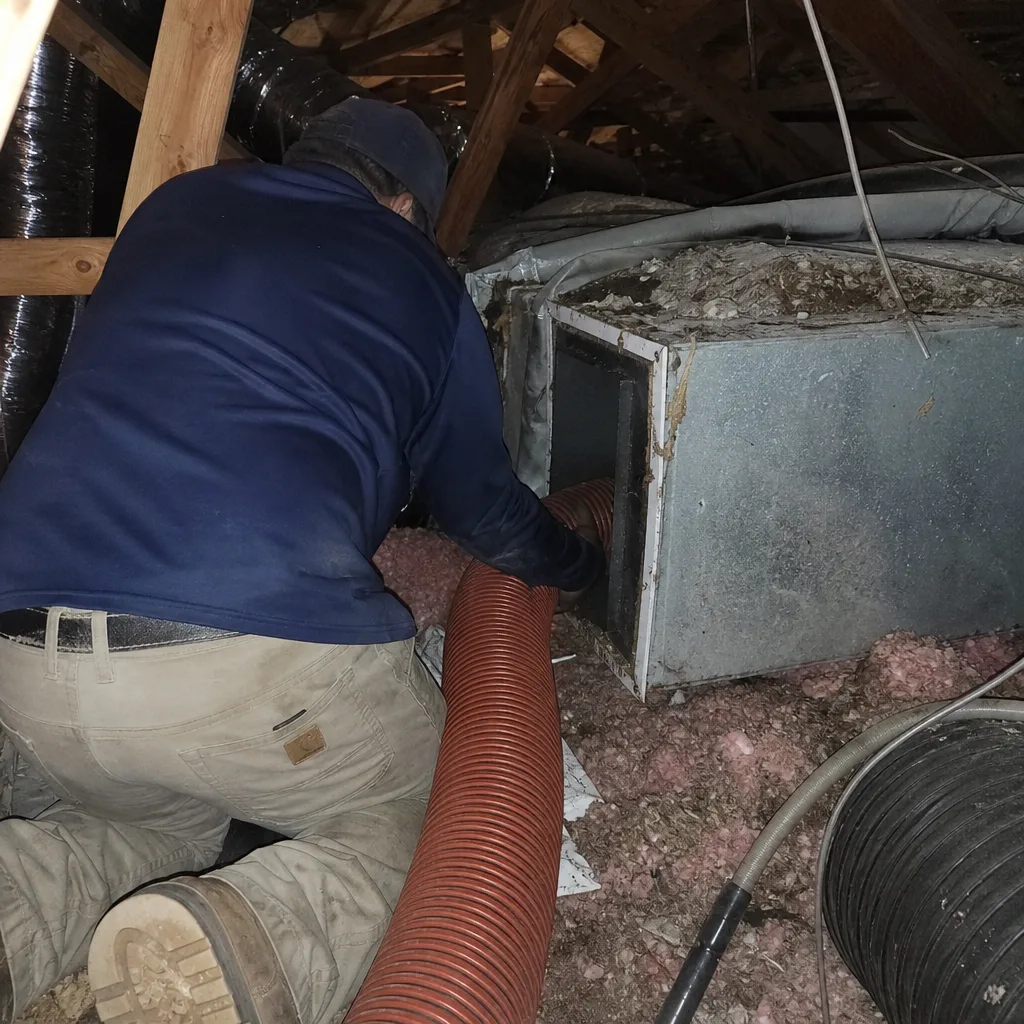 Before
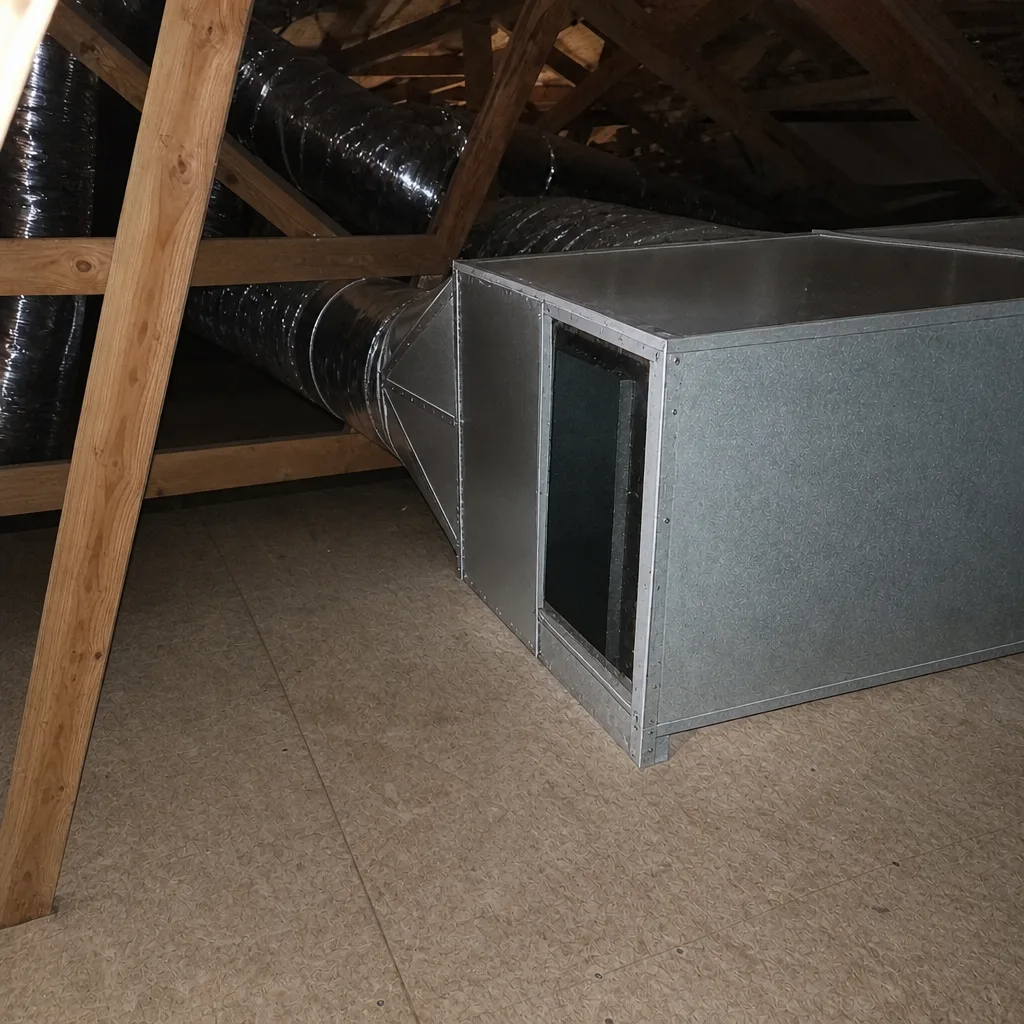 After
 Before
 After
Common Mistakes to Avoid
- Trusting a filter “rated for a year.” In Corpus Christi’s dust and humidity load, no filter should sit unchanged for a year. Check yours monthly against your log and replace on condition, not a label claim.
- Wiping registers instead of diagnosing them. Wiped dust that returns within a week is a signal of contaminated supply air, not a housekeeping issue. Cleaning the visible surface solves nothing.
- Running the system after a storm without a post-storm walkthrough. Running the fan pulls wind-driven debris and moisture further into the system. Inspect first, then run.
- Using a shop-vac for “duct cleaning.” A household vacuum can’t create the negative pressure to hold debris while it’s loosened, so it spreads contamination through the house. A professional contact-vacuum and negative-air setup is a different tool entirely.
- Letting a wet insulation problem ride. A disconnected flex duct or a soaked boot in a Corpus Christi attic won’t dry out. It’s a repair waiting to happen, and it keeps feeding moisture into the air you breathe.
- Ignoring the drain pan and drain line. Rust-through and clogs are common local problems because the pan sits in warm, humid air much of the year. A monthly check catches them before they overflow.
- Skipping the dryer vent because “it still works.” “Still works” and “safe” are different questions. Longer dry times and a hot dryer exterior are the early warnings, and they’re worth acting on before they aren’t.
When to Call a Professional
Call us when the monthly walkthrough turns up something you can’t resolve with a filter change, or when two or more of the warning signs above are present. Specific triggers: a musty smell that survives a filter change, visible sand drifts in the returns, uneven airflow between registers on the same zone, persistent condensation on supply boots, a drain pan that’s rusting or holding water, a post-storm inspection that finds a disconnected or soaked duct, or a dryer that’s taking longer than it should. And call before you decide the job is overdue; a professional look now is cheaper than a repair after the problem has run all season. Ironside Duct Cleaning offers free estimates in Corpus Christi. Call (833) 435-2252. We answer 24/7. Fast dispatch from 7am to 7pm, Sunday through Friday.
Frequently Asked Questions
For most Corpus Christi homes, a professional cleaning every three to five years works as a starting point, but your filter log is the better guide. Homes near open fields or construction, homes with pets, and homes that have been through a storm often need it sooner. If your filter interval has shortened noticeably or return grit is visible, that’s the signal to call, not the calendar.
Humidity and windblown sand are the two drivers. High humidity for most of the year keeps attic spaces warm and damp, which keeps moisture in the pathway and speeds rust in drain pans. Wind-driven dust and sand load up return grilles and filters faster. That combination means buildup happens sooner and contamination has more chance to take hold than in a drier climate.
No. A household vacuum can’t hold debris with negative pressure the way professional equipment does, so it pushes contamination into the living space rather than removing it. It also can’t reach the surfaces inside the duct where buildup actually sits. Stick to filter changes, external wiping, and visual checks. Call (833) 435-2252 for an exact quote; estimates are free.
Every home is different, so we price per system rather than per vent. We agree one flat price before work starts, and we take before-and-after photos of your own ducts so you can see the results. A cut-rate quote that balloons once the technician is inside is exactly the problem we avoid. Call (833) 435-2252 for an exact quote; estimates are free.
Usually because they price per vent and arrive with a line of equipment that can’t actually clean, or because the low number is bait for a much larger invoice once the van is in the driveway. Cheap duct cleaning often means a blower and a bill. We use Rotobrush and Nikro equipment and Abatement Technologies filtration capability, and we quote one flat price per system. Call (833) 435-2252 for an exact quote; estimates are free.
Ask for before-and-after photos of your own system, not stock images. A specialist should be willing to show you what was removed and what the duct looks like afterward. We provide those photos as part of the job. It’s also reasonable to ask what equipment will be used and whether any structural repair was found; that’s the kind of diagnosis that separates a real cleaning from a surface pass.
Yes, and it should have its own line. Dryer vents collect lint and are a leading cause of residential house fires, and the warning signs are specific: longer dry times, a hot dryer exterior, a burning smell in the laundry room. Treat air duct cleaning and dryer vent servicing as separate scheduled items.
Run through the post-storm inspection checklist above before you settle back into normal operation. Check for water intrusion at the ceiling and attic, look at flex duct connections, check the drain pan, and smell the returns before and after running the fan. If anything looks wet, disconnected, or off-smelling, that’s a call rather than a wait-and-see.
The Bottom Line
Air duct maintenance in Corpus Christi is a routine, not a single event. Monthly visual and smell checks, a filter log you actually keep, seasonal walkthroughs tied to the storm calendar, and a professional cleaning every few years cover the core. The warning signs that matter most are measurable: a shortened filter interval, visible return grit, musty odor that survives a filter change, uneven airflow, and drain pan moisture. When those show up, call a specialist who diagnoses before cleaning and fixes structural defects rather than cleaning around them. If you’re due or you’re not sure, we’re glad to take a look.
Call (833) 435-2252 for a free estimate from Ironside Duct Cleaning. We answer 24/7. Fast dispatch from 7am to 7pm, Sunday through Friday. Clean ducts. Repaired ducts. Safe vents.
Written by the team at Ironside Duct Cleaning.