
Last updated November 14, 2026
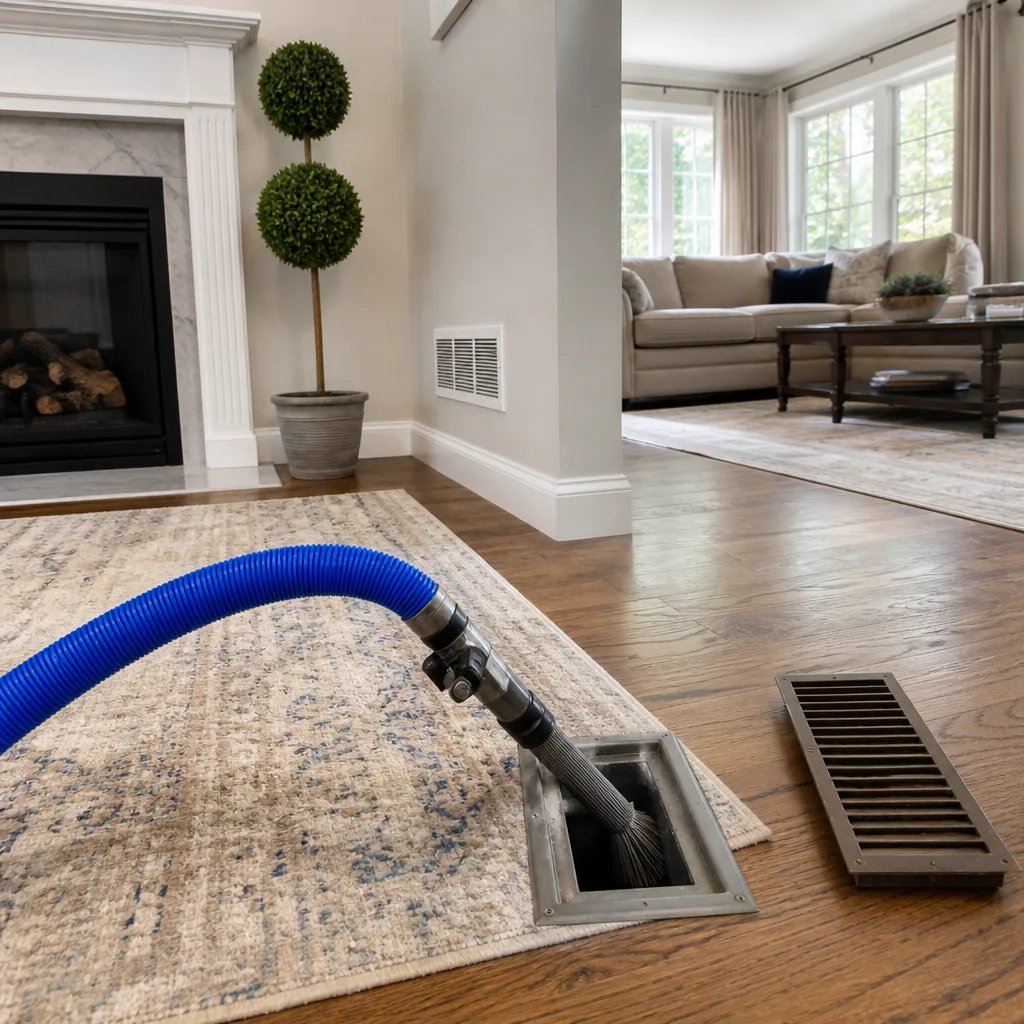 Whole-home duct cleaning
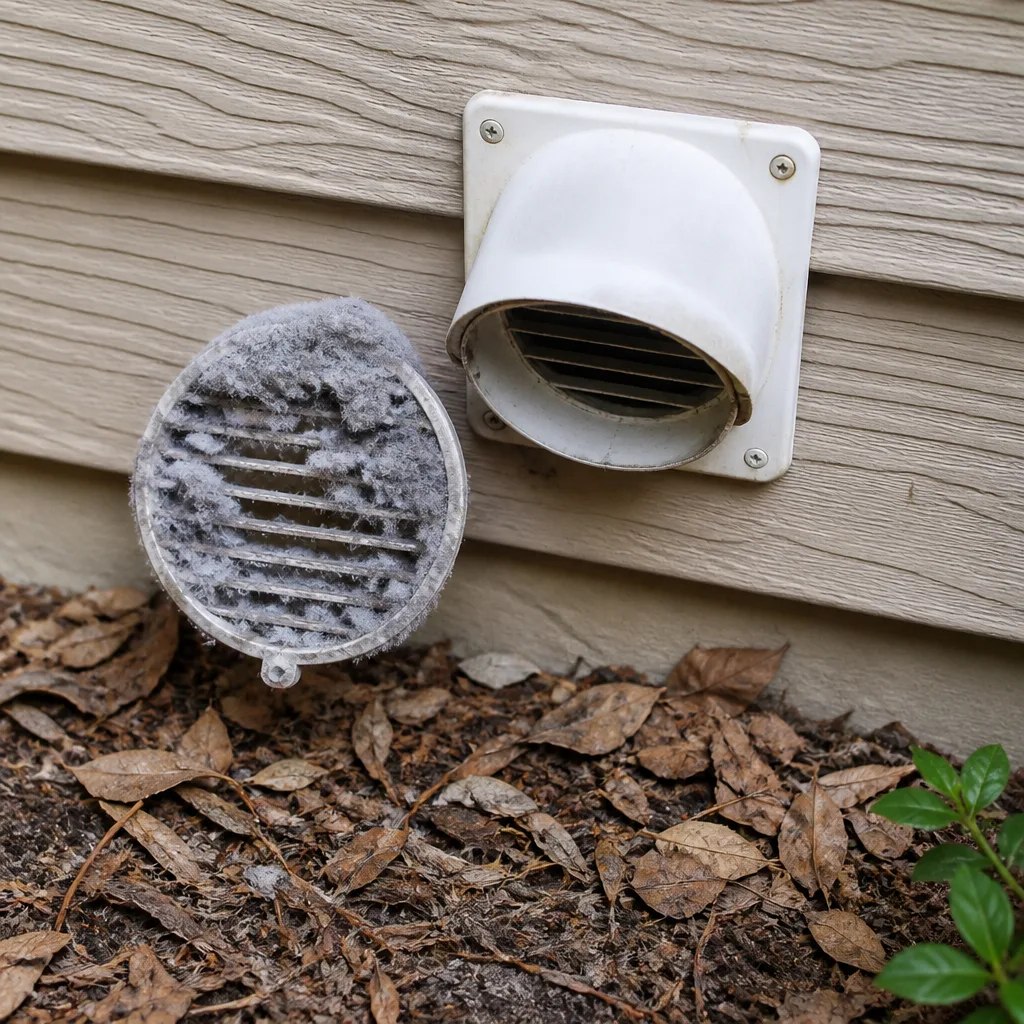 Dryer vent cleaning
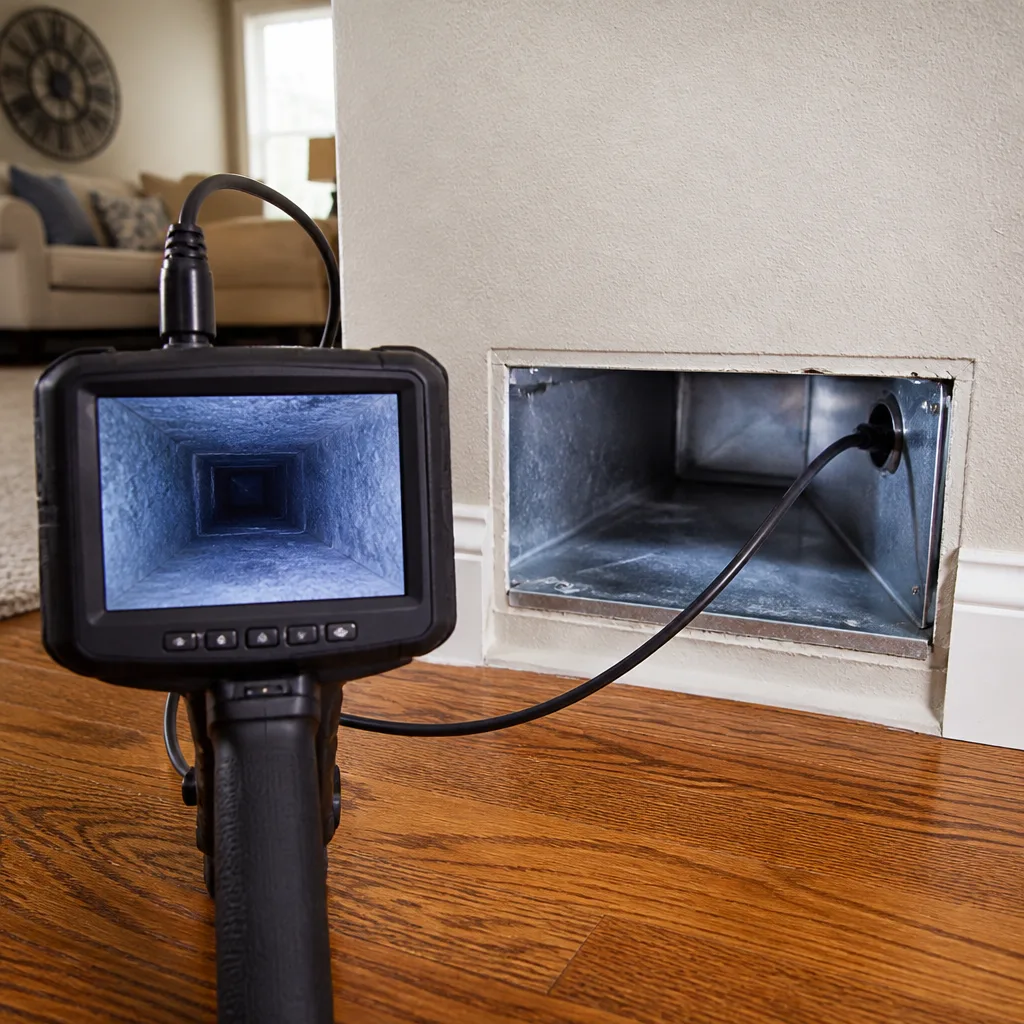 Camera inspection
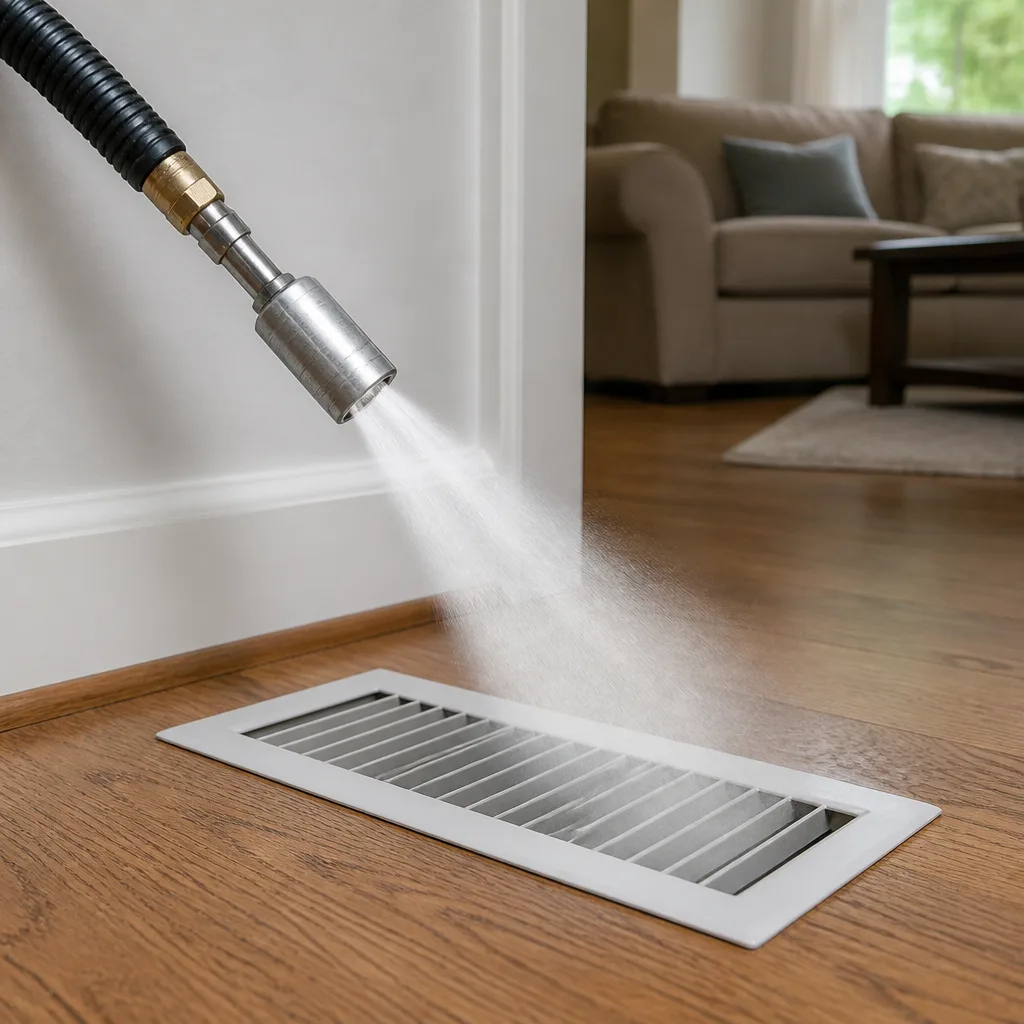 Sanitizing & deodorizing
Whole-system duct and dryer vent check with before-and-after photos - you see exactly what came out of your vents
That "$99 whole-house special" is a bait ad - the real number appears once they are in your hallway, or the "clean" is a shop-vac at the register. We photograph the inside of your ducts before and after instead.
Air Duct Cleaning Maintenance Schedule: What to Do and When
The three-to-five-year rule was written for a house in Denver. It doesn’t fit a home in Corpus Christi, where a flex-duct run can sit in an attic that hits triple digits for months and then pulls in summer humidity near 90 percent. Ducts that live through that cycle collect dust, pollen, and moisture differently than ducts in a dry climate. So a single calendar interval is the wrong tool. What you need is a maintenance clock you set yourself, based on your duct material, your attic, how many people live in the house, and how close you are to the water. This guide builds that clock, walks through what to check between professional cleanings, and lays out a printable schedule tied to the way air conditioning actually runs in Corpus Christi. You’ll finish knowing when to schedule, what to inspect, and what to fix so the next cleaning lasts longer.
Quick Answer
Most Corpus Christi homes should get a professional duct cleaning every three to five years, moving toward the shorter end of that range if you have flex duct in a hot attic, pets, allergy sufferers, recent renovations, or a duct system that hasn’t been sealed. Homes near the water, or with visible dust at the registers and a filter that loads up fast, often benefit from an inspection every two to three years. No single number fits every house. Use the four factors below to set your own interval, then check the system twice a year between cleanings.
Styles & brands we work with
- Whole-home duct cleaning
- Dryer vent cleaning
- Camera inspection
- Sanitizing & deodorizing
Table of Contents
- Why a Fixed Interval Fails in Corpus Christi
- The Four Factors That Set Your Interval
- What to Inspect Between Cleanings
- The Storm-Season Trigger
- Tasks That Extend the Interval vs. Tasks That Don’t
- A Printable Schedule Tied to Corpus Christi’s Cooling Season
- Duct Material and What It Means for Timing
- Common Mistakes to Avoid
- When to Call a Professional
Why a Fixed Interval Fails in Corpus Christi
A duct system in Corpus Christi runs harder and longer than one in a cooler climate. The air conditioner pulls air through the returns for most of the year, not just a few summer months. Every hour that fan runs, it moves dust, pollen, and whatever else is floating in the house through the same pathways. That constant cycling is the biggest driver of how fast ducts get dirty.
Then there’s the attic. In Corpus Christi, attic temperatures climb high enough that the ductwork up there is baking for much of the day while carrying cold air inside. Flex duct with a sagging run or a crushed section doesn’t just lose efficiency. It creates low spots where dust and moisture can settle and stay. That’s a different problem than a short, straight return line in a mild climate.
Summer humidity adds another layer. When a system pulls in humid air and the ducts run cold, condensation can form on surfaces that stay damp. Damp dust is a different material than dry dust. It clings, it darkens, and it can feed biological growth if the moisture never fully dries out.
None of that means you need to clean your ducts every year. It means the interval should respond to your house. A well-sealed system with a good filter in a two-person home behaves very differently from an older system with leaky duct joints in a house with three pets and a family of five. A fixed schedule treats them the same, and that’s the mistake. Our technicians have up to 12 years of experience, and the pattern they see most often isn’t “cleaned too rarely.” It’s houses cleaned on a guess with no plan behind it. If you’d rather start with a professional assessment, air duct cleaning begins with an inspection that tells you where your house actually sits on the clock.
The Four Factors That Set Your Interval
Four variables decide how quickly your ducts load up. Weight each one honestly for your home, and you’ll land on an interval that makes sense instead of a number pulled from a national article.
1. Proximity to the water and prevailing air
Homes closer to the bays and the open water generally see more airborne moisture and fine particulate moving through the outdoor air. That doesn’t guarantee a dirty duct system, but it raises the odds that filters load faster and that any moisture inside the ducts takes longer to dry. If you notice your filter darkening sooner than you’d expect, or grime collecting on the return grille, treat those as signals to shorten the interval and schedule an inspection earlier.
2. Insulation and attic conditions
The attic is where duct problems hide. Duct runs that pass through a hot, poorly ventilated attic are more vulnerable to condensation and to damage from heat and settling. If your ducts sit above a lightly insulated ceiling, or if the runs are long and tangled, add weight to the shorter end of the schedule. A duct system in a vented, well-kept attic can go longer.
3. Duct material
Flex duct collects debris differently than rigid sheet metal or ductboard. Flex has ridges and dips; it also has a plastic inner liner that can trap dust against the surface. Sheet metal can be cleaned and resealed more effectively, and it holds up longer between cleanings when the joints are tight. Duct material changes both how often you clean and how the cleaning is done.
4. Household allergy load
If anyone in the house deals with allergies, asthma, or sensitivity to dust, the tolerance for built-up debris drops. The same duct system that’s fine for one household is a real problem for another. When someone in the home reacts to airborne dust, plan on the shorter interval and pair the cleaning with filtration updates.
What to Inspect Between Cleanings
You don’t need to open up the ductwork to know how it’s doing. There are a handful of checkpoints you can look at yourself, and they’ll tell you whether your cleaning interval is still right or whether it’s time to move it up.
- Look at the supply registers. Pop off a couple of supply and return grilles and check for dust streaks, dark film, or debris on the inside of the grille. Clean grilles with a light buildup; call for an inspection if the buildup is heavy, sticky, or dark.
- Track filter loading. Note the date you change the filter and check it every month. A filter that’s dark and loaded before its rated interval is a proxy for how fast the whole system is collecting contaminants. A filter that lasts longer than expected suggests the system is running cleaner than you thought.
- Check the return-air path. The return is where most debris enters the system. Look at the return grille and any accessible return duct for visible dust or debris. A dirty return is a strong sign the whole system is due.
- Walk the attic if you can safely reach it. From a safe distance, look for disconnected duct sections, crushed flex runs, or visible condensation on the duct exterior. Don’t climb through a hot attic to investigate; note what you see and call a professional for anything that needs hands-on work.
- Watch the airflow. Weak airflow at one or two registers, while others feel fine, can point to a blockage or a collapsed section of duct. That’s a repair question, not just a cleaning question.
- Notice odors and dust patterns. Musty smells, or dust settling on surfaces right after a cleaning, are reasons to schedule an inspection rather than wait out the interval.
If you want to see the full system rather than the grilles, our dryer vent cleaning and duct inspection services cover the whole indoor air pathway, not just the parts you can see from the hallway.
The Storm-Season Trigger
Tropical storms and hurricanes push through the Gulf on a regular basis, and the aftermath is when duct systems pick up problems that have nothing to do with the cleaning calendar. High winds drive water and debris into places it doesn’t belong, and a house that took on water or wind damage needs its ducts inspected regardless of when they were last cleaned.
Here’s the trigger logic to build into your plan:
- Any roof or window damage from a storm: inspect the duct system before running the AC again. Debris, insulation fibers, and water can end up inside the ductwork.
- Water intrusion anywhere in the house: inspect for wet ductwork and condensation. Damp ducts should be treated before the system is used normally.
- Visible debris or insulation in the registers after a storm: that’s an inspection, not a wait-and-see.
- Musty odor that appears after a storm: a sign of moisture in the system that needs attention.
- No obvious damage but a storm passed through: if your cleaning was recent, an inspection is enough; if it was more than a couple of years ago, treat the storm as a reason to schedule the cleaning now.
Post-storm duct work isn’t routine maintenance. Contaminated duct interiors, mold, or post-construction debris call for remediation-grade equipment, which is why we carry Abatement Technologies filtration equipment for jobs that need more than a standard cleaning.
Tasks That Extend the Interval vs. Tasks That Don’t
Not every home improvement task buys you more time between cleanings. Some genuinely do, and some just make you feel better about the calendar. Here’s the honest split.
Tasks that actually extend your interval
- Sealing duct leaks. Leaky joints pull dust-laden attic air into the system and push conditioned air out. Sealing returns, joints, and gaps stops that cycle. It’s the single highest-impact task for extending the interval.
- Upgrading filter MERV rating within your system’s limits. A higher-MERV filter captures more particulate before it reaches the ducts. Check your system’s rating limits first, because too high a MERV can strain airflow.
- Repairing crushed or disconnected duct sections. A collapsed run is a debris trap. Fixing it prevents a new contamination pocket from forming. This is why we offer duct repair as a service rather than cleaning around the problem.
- Sealing returns in unconditioned spaces. A return that runs through a hot attic pulls in attic dust every time the fan runs. Sealing it cuts the largest single debris source.
- Regular filter changes on a set schedule. The simplest habit there is, and still the one that most reliably extends time between cleanings.
Tasks that don’t extend your interval
- Air fresheners and scented filters. They mask odors but don’t change what’s in the ducts.
- Vacuuming the registers. Useful, but it doesn’t touch the duct interior.
- Consumer-grade duct cleaning gadgets. A shop-vac or a leaf blower pushed into a vent can scatter debris deeper into the system rather than removing it.
- Skipping the filter because “it’s not that dirty.” Filters load unevenly, and the visible side isn’t always the loaded side.
If you’re wondering whether your filtration equipment is sized correctly for the system, our familiarity with Honeywell and Aprilaire product lines means we can look at the full air-treatment chain instead of guessing at a filter rating.
Numbered steps for the homeowner between cleanings
- Change or check the filter every month and log the date.
- Inspect supply and return grilles every six months.
- Schedule a visual duct inspection whenever you notice airflow changes, odors, or storm damage.
- Look for visible leaks or disconnected runs once a year, from a safe vantage point.
- Book the professional cleaning when your interval comes up or when a trigger event happens.
A Printable Schedule Tied to Corpus Christi’s Cooling Season
Corpus Christi’s cooling season runs long. The air conditioner typically works hard from spring through fall, and the shoulder months are when maintenance is easiest to arrange. Build your schedule around that rhythm instead of a generic calendar.
| When | Task |
|---|---|
| Early spring, before the heavy cooling starts | Change the filter, inspect all registers, check the return grille. Book the professional cleaning if your interval is due. |
| Mid-summer, peak cooling | Check the filter monthly. Watch airflow at the registers. Note any odors or weak airflow. |
| Late summer, after any storm activity | Inspect the system after any tropical storm or hurricane. Schedule an out-of-cycle inspection if there’s damage or water intrusion. |
| Fall, shoulder season | Check the filter, inspect the return, and address any duct repair you’ve been putting off. This is the best window for a full cleaning. |
| Winter, mild season | Light use period. Changer the filter, inspect the grilles, plan the next year’s interval. |
That’s a working template, not a rule. If you have flex duct in a hot attic, multi-pet household dust, or allergy concerns, move the professional cleaning earlier in the cycle. If you sealed your ducts and upgraded filtration, you may be able to stretch the interval. What matters is that the schedule is yours and it’s written down, because the homes we see with the worst duct problems are the ones where nobody was tracking any of it. For a scheduled duct cleaning, Corpus Christi homeowners can book against this calendar and get the work done in the shoulder months when it’s easiest.
Duct Material and What It Means for Timing
Different duct materials behave differently when they age, and that affects both the interval and the kind of work needed.
Flex duct. The most common in newer residential construction. The flexible inner liner collects dust in its ridges, and the outer jacket can tear. Flex duct in a hot attic is vulnerable to sagging and condensation. It also cleans less thoroughly than sheet metal because of the ridges. Plan on the shorter end of the interval, and inspect more often for tears and connection failures.
Sheet metal. Durable and cleanable. Well-sealed sheet metal duct holds up well and stays cleaner longer. The main issue is joint separation from vibration and age. Sealing the joints is the best thing you can do for a sheet metal system, and it’s a real interval-extender.
Ductboard. The most forgiving on the surface and the least forgiving on contamination. Ductboard can absorb moisture if the system runs wet, and once it holds moisture, cleaning alone often isn’t enough. Ductboard systems deserve a real inspection, not just a scheduled cleaning.
If your ducts are a mix of materials, treat the most vulnerable section as your schedule anchor. A single flex run through a hot attic is enough reason to shorten the interval for the whole system, because the contamination doesn’t stay in one section.
Common Mistakes to Avoid
- Following the national three-to-five-year rule without checking your own house. That rule was built for a milder climate with different housing stock. Corpus Christi’s long cooling season and hot attics change the math. Use the rule as a starting point and adjust for your duct material, attic, and allergy load.
- Cleaning the ducts but never sealing the leaks. A leaky return pulls attic dust back into the system every time the fan runs. Cleaning without sealing means you’ll be cleaning again sooner than you’d expect. The sealing work is what makes the cleaning last.
- Skipping the return side. Homeowners think about the supply vents because they can see them. The return is where the debris actually enters. A cleaning that ignores the returns misses the main source.
- Ignoring storm-season damage. A tropical storm can bring water and debris into places a routine cleaning never touches. If a storm came through, don’t wait out the calendar. Get an inspection.
- Hiring a cleaner who won’t put a camera or a scope in the duct. You should be able to see what’s inside the duct before and after. Before-and-after documentation is the standard, and it’s part of how we work at Ironside.
- Buying a filter rating higher than the system can handle. A MERV rating beyond what the blower can push through restricts airflow, and reduced airflow is its own problem. Match the rating to the system.
- Treating a dryer vent like an afterthought. Your dryer vent is a fire risk and deserves its own schedule. Lint builds up regardless of duct cleaning intervals, and a clogged dryer vent is a leading cause of residential house fires.
When to Call a Professional
Some situations call for a professional inspection no matter where you are in the calendar. Call when you see visible debris, mold, or dark buildup at the registers; when airflow is noticeably weak at one or more vents; when a musty odor appears and won’t clear with a filter change; when the house has had a renovation, storm damage, or water intrusion; when your filter is loading faster than it used to; or when the ducts have never been cleaned and the house is new to you. Those are all reasons to have a professional look at the actual system, with the actual equipment, rather than guess.
Ironside Duct Cleaning offers free estimates in Corpus Christi. We use professional-grade Rotobrush contact-vacuum brushing and Nikro negative-air equipment, we repair duct problems instead of cleaning around them, and we document the work with before-and-after photos. Call (833) 435-2252. We answer 24/7. Fast dispatch from 7am to 7pm, Sunday through Friday. Prices are set per job by the written estimate.
See the difference
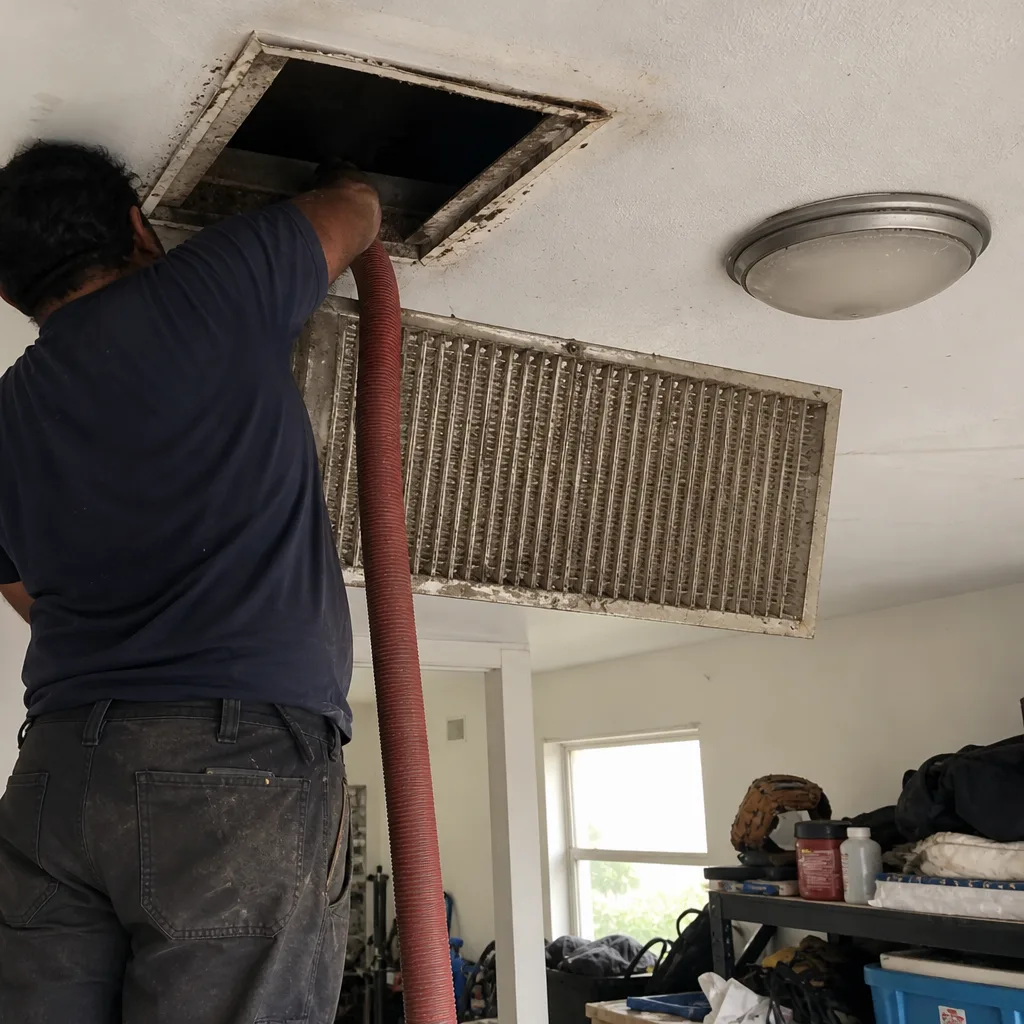 Before
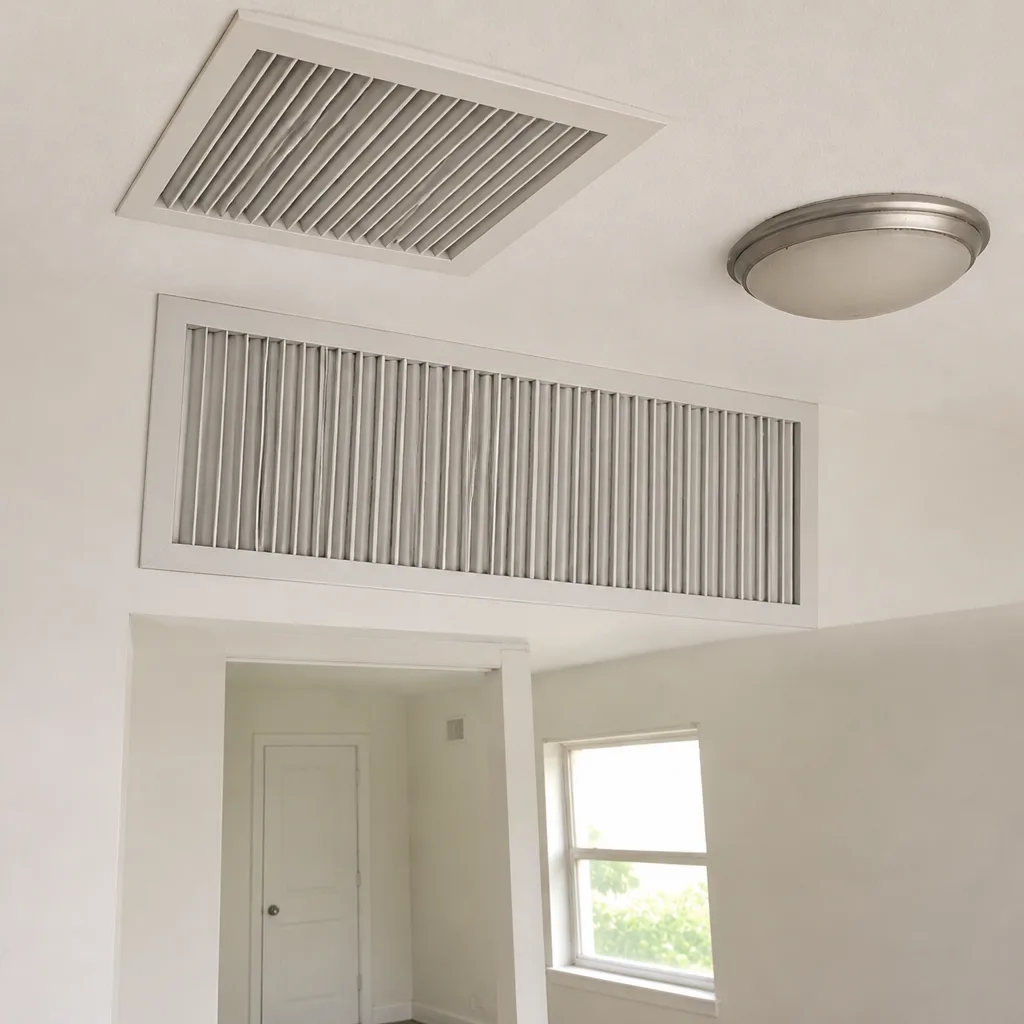 After
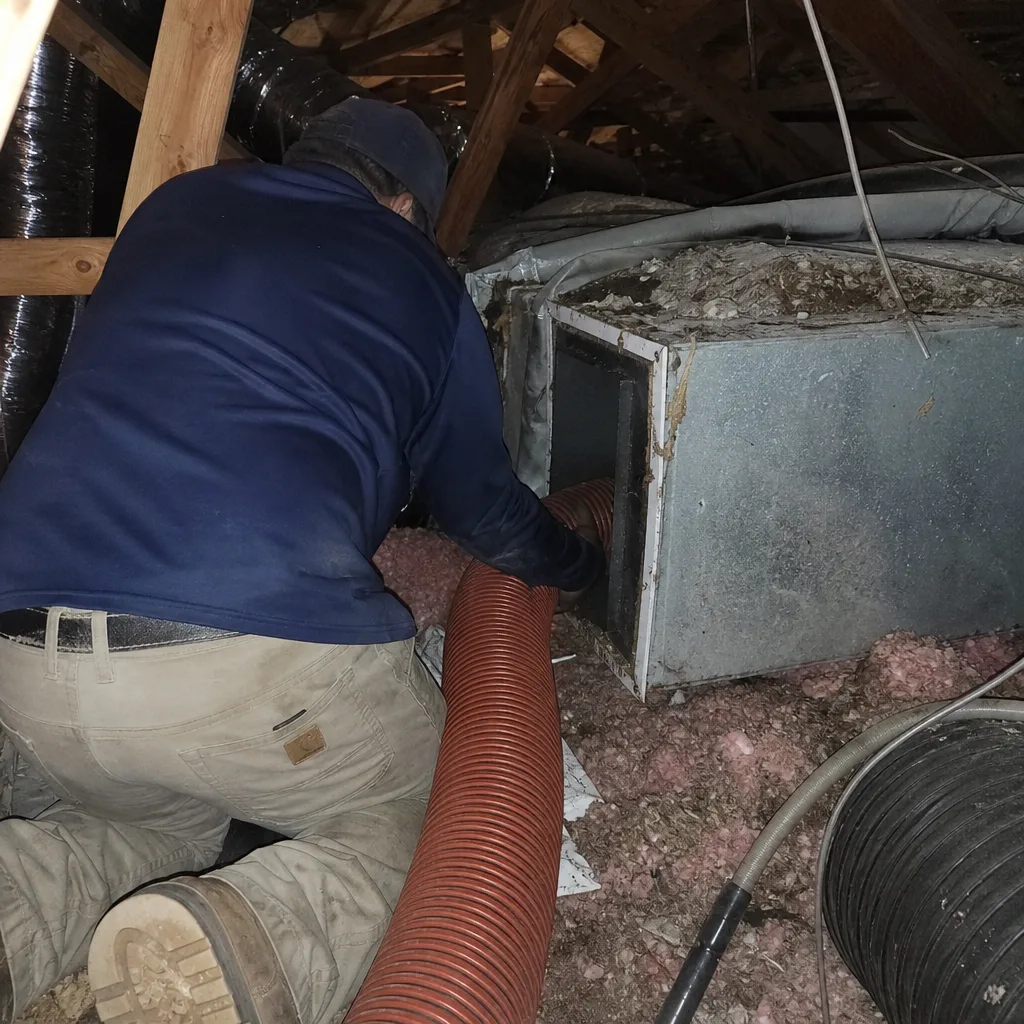 Before
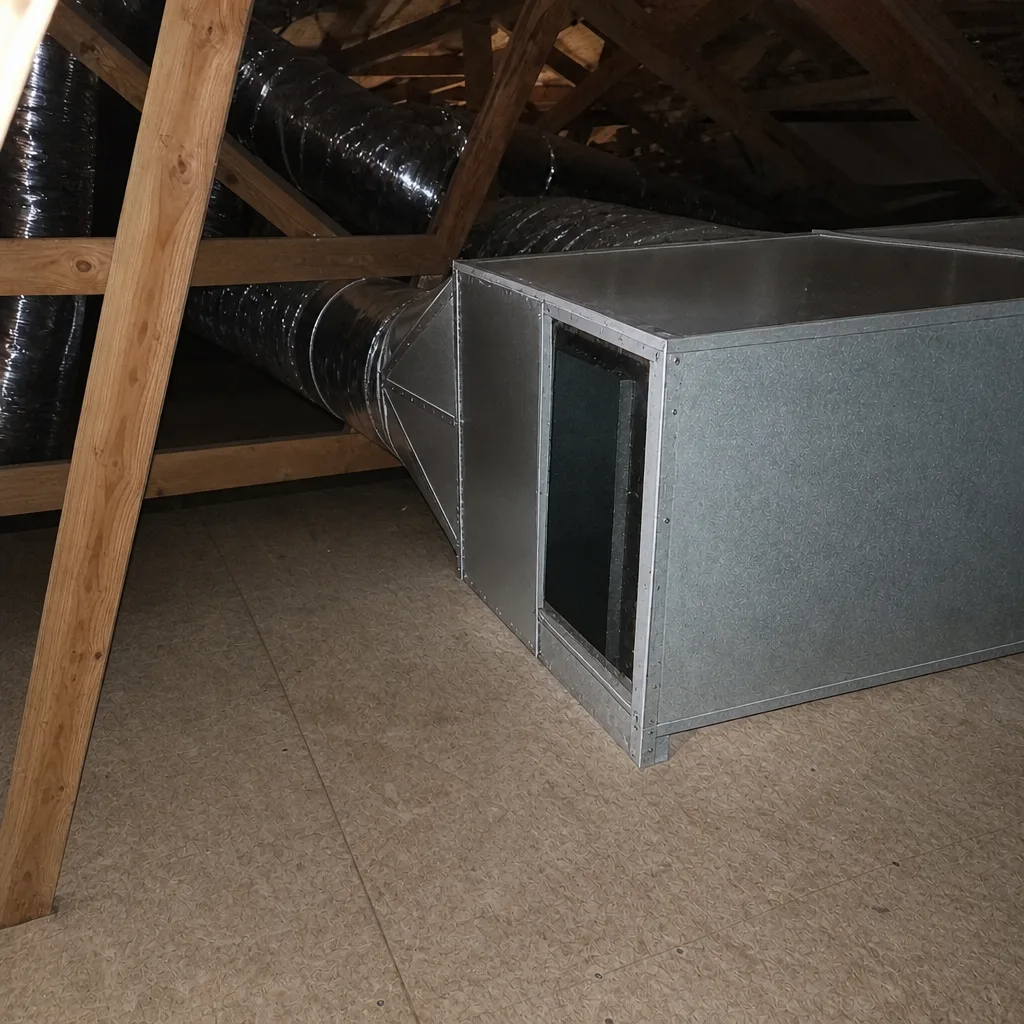 After
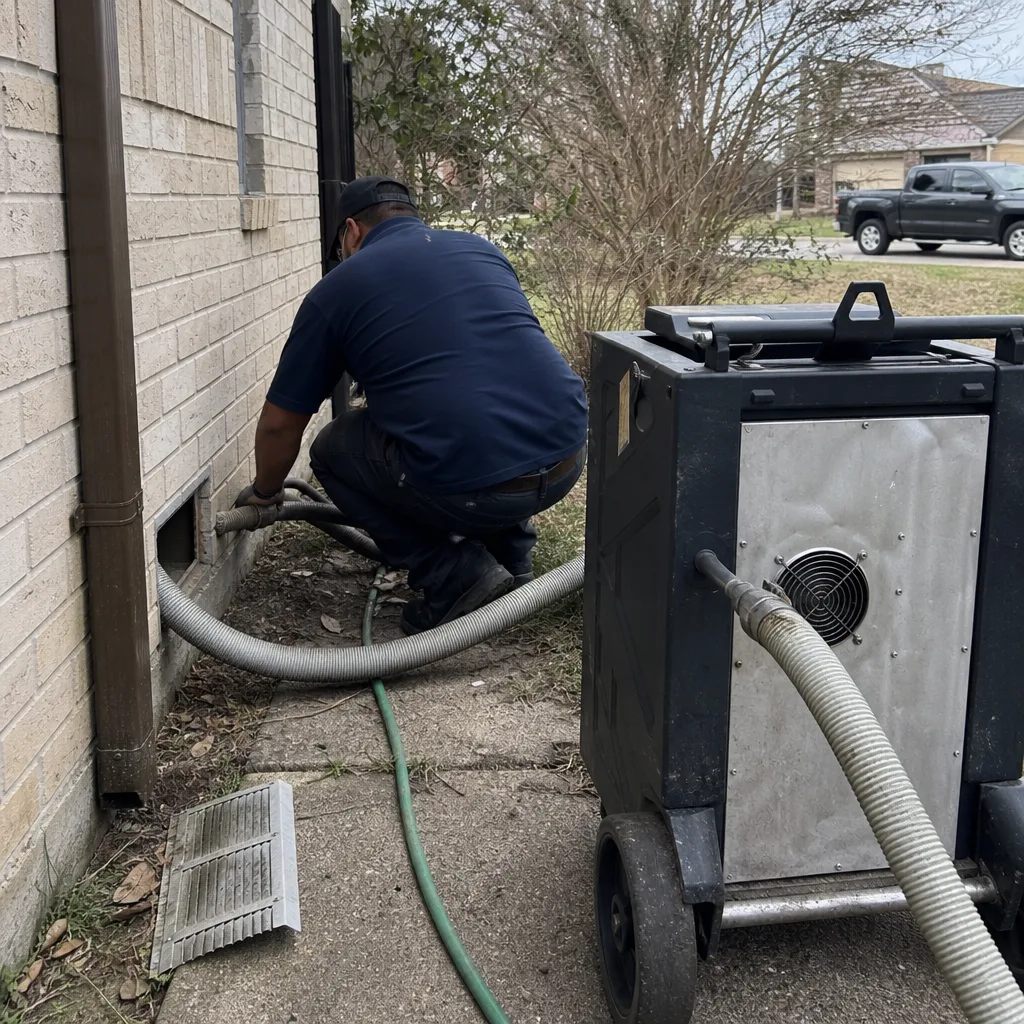 Before
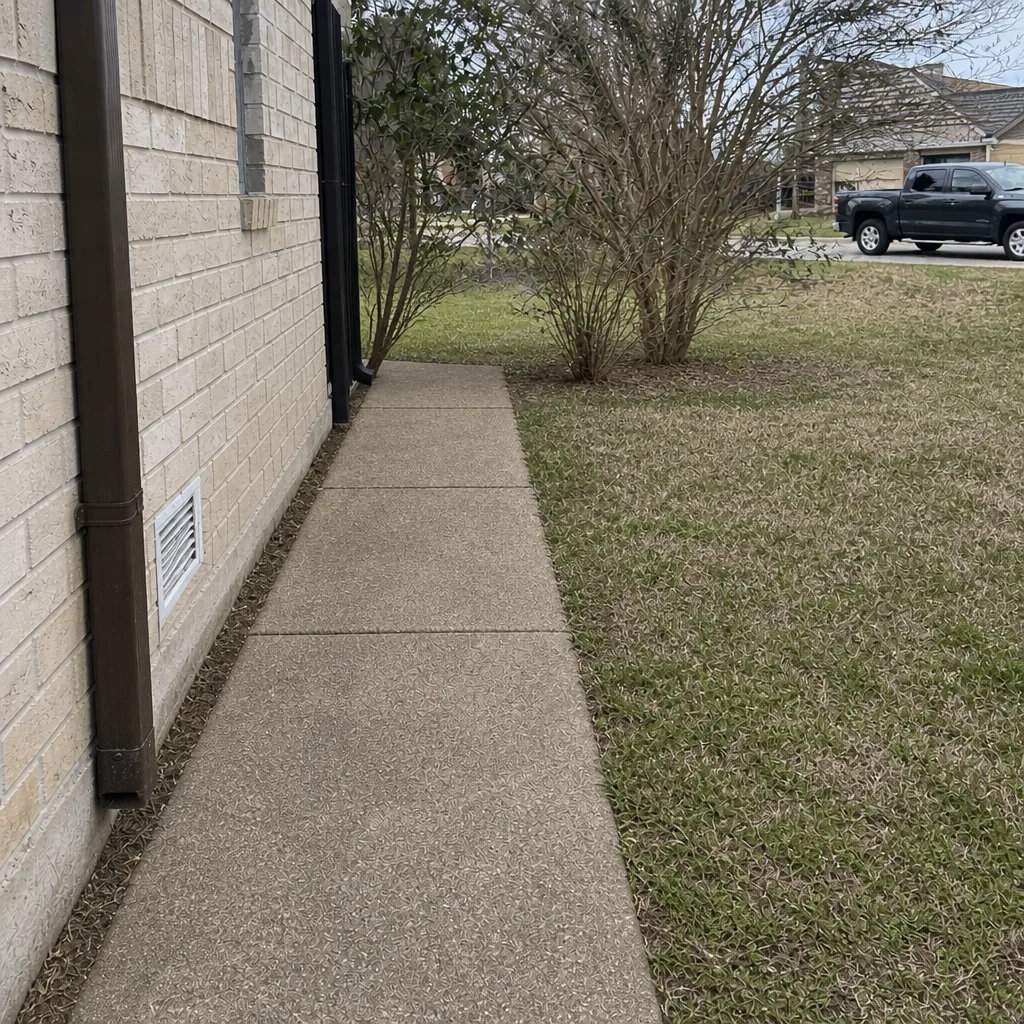 After
Frequently Asked Questions
Most Corpus Christi homes should schedule a professional duct cleaning every three to five years, with the interval leaning shorter for homes with flex duct in a hot attic, pets, allergy sufferers, recent renovations, or unsealed duct joints. Homes near the water that see filters load fast may benefit from an inspection every two to three years. Call (833) 435-2252 for an exact recommendation based on your system.
Summer humidity matters, but the bigger factor is how often the air conditioner runs. In Corpus Christi the cooling season is long, so the fan moves air through the system for more of the year than in a cooler climate. That length of runtime is the main driver of how fast ducts collect debris. Call (833) 435-2252 to set up an inspection if you’re unsure where your house sits.
Check your filter monthly, inspect supply and return grilles every six months, and note any change in airflow, odors, or visible dust. You can also look for crushed or disconnected duct runs from a safe vantage point. Anything that needs hands-on duct work should go to a professional. Call (833) 435-2252 for a free estimate when you want a professional inspection.
Yes, if the storm caused roof, window, or water damage, or if you see debris in the registers afterward. High winds and water can move debris and moisture into the ducts, and running the system before inspection can spread contamination. Schedule an inspection regardless of where you are on your cleaning calendar. Call (833) 435-2252 to book one.
Sealing duct leaks, repairing crushed or disconnected sections, upgrading the filter to an appropriate MERV rating, and keeping a regular filter change schedule all extend your interval. Sealing the return duct in particular is the highest-impact step, because it stops attic dust from being pulled into the system. Call (833) 435-2252 to talk through what your system needs.
A professional cleaning removes debris with professional-grade contact-vacuum and negative-air equipment, which consumer tools can’t match. A shop-vac or a leaf blower pushed into a vent can actually scatter debris deeper into the system. Having the work done by a specialist means the ducts are cleaned, and any damage or leaks are found and repaired. Call (833) 435-2252 for a free estimate. We answer 24/7. Fast dispatch from 7am to 7pm, Sunday through Friday.
Before-and-after photos of your own ducts are the answer. At Ironside, we document the work so you can see what changed. If a cleaner won’t show you the inside of the ducts, that’s a reason to look elsewhere. Call (833) 435-2252 to schedule a cleaning with documented results.
The Bottom Line
A single three-to-five-year rule is a starting point, not a schedule. In Corpus Christi, the right interval depends on your duct material, your attic, your household’s allergy load, and whether the system has been sealed and repaired. Use the four factors to set your own clock, check the registers and the filter between cleanings, and treat any hurricane or tropical storm as a reason to inspect regardless of the calendar. Sealing and repairing is what makes a cleaning last. When your interval comes up or something looks wrong, call a professional who can show you the inside of the ducts and fix what’s there.
Ironside Duct Cleaning handles the whole system: cleaning, duct repair, and the filtration equipment in between. Call (833) 435-2252 for a free estimate. We answer 24/7. Fast dispatch from 7am to 7pm, Sunday through Friday.
Scheduling Your Cleaning in Corpus Christi
If you’ve read this far, you already know more than most people about when and why to schedule. A few things we’d add: the work should be done by someone who can inspect the whole system, not just the parts you can see from the hallway. The filters, the returns, the dryer vent, and the integrity of the ducts themselves all matter, and a specialist who handles all three is worth looking for. We’re Ironside Duct Cleaning, we work in Corpus Christi and the surrounding area, and we’d be glad to look at your system and give you a straight answer about where you sit on the calendar. If you’re in the area and looking for a local provider, see our Corpus Christi page for the details on how we work. Estimates are free, and the written estimate sets the price.
Written by the team at Ironside Duct Cleaning.