
Last updated November 14, 2026
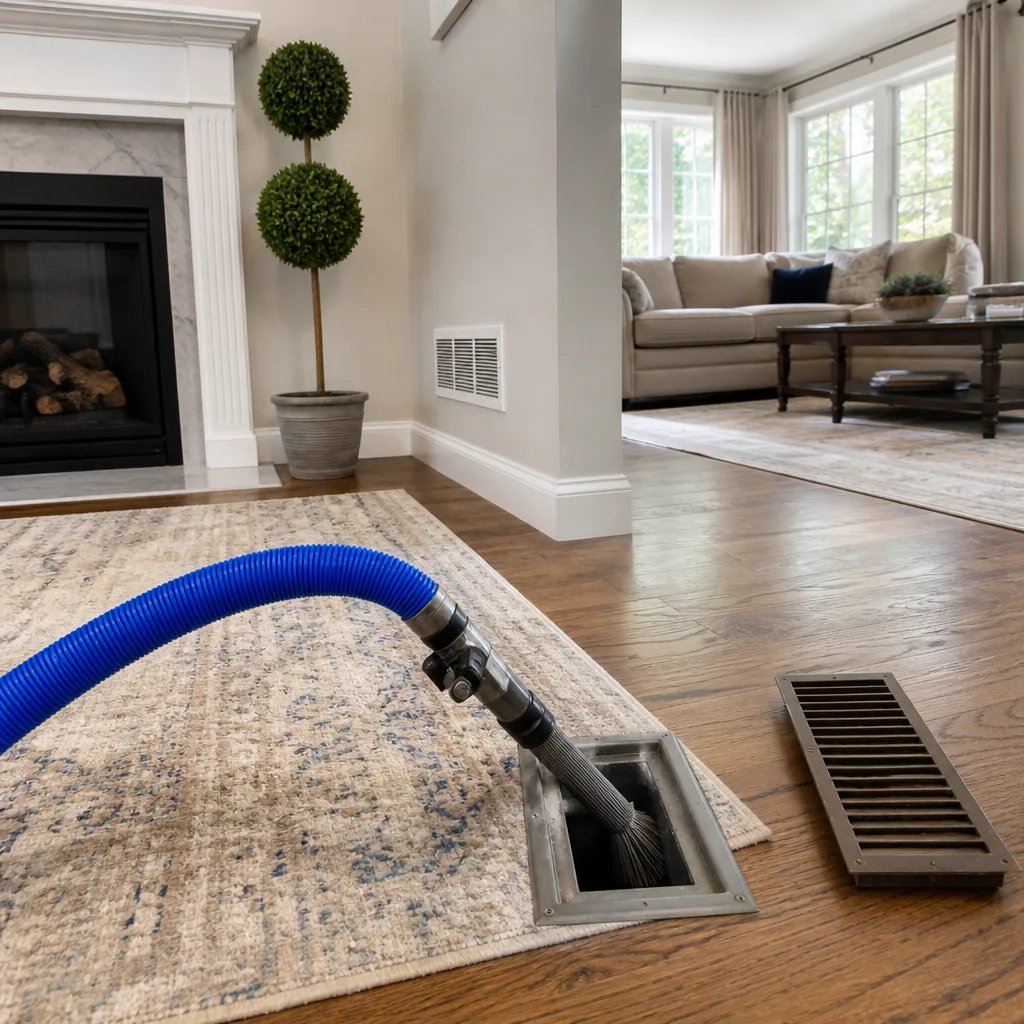 Whole-home duct cleaning
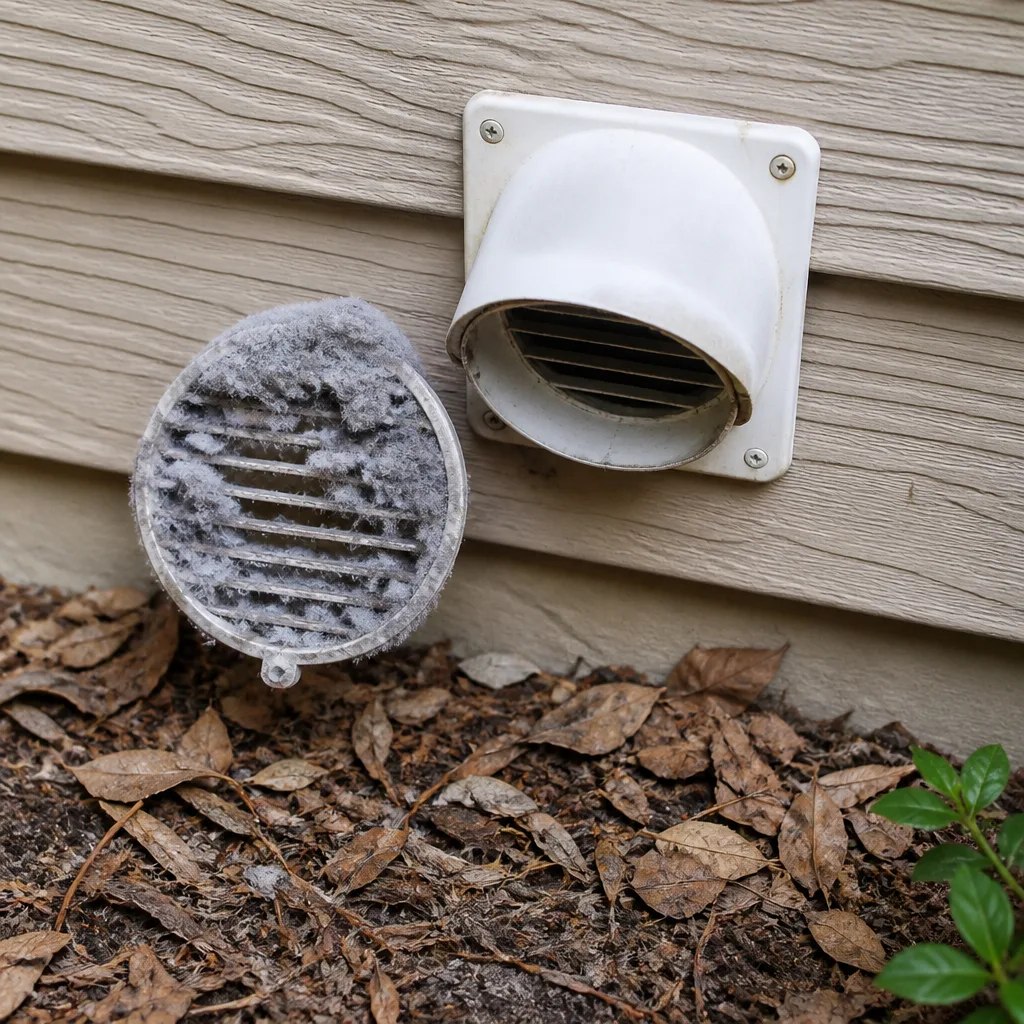 Dryer vent cleaning
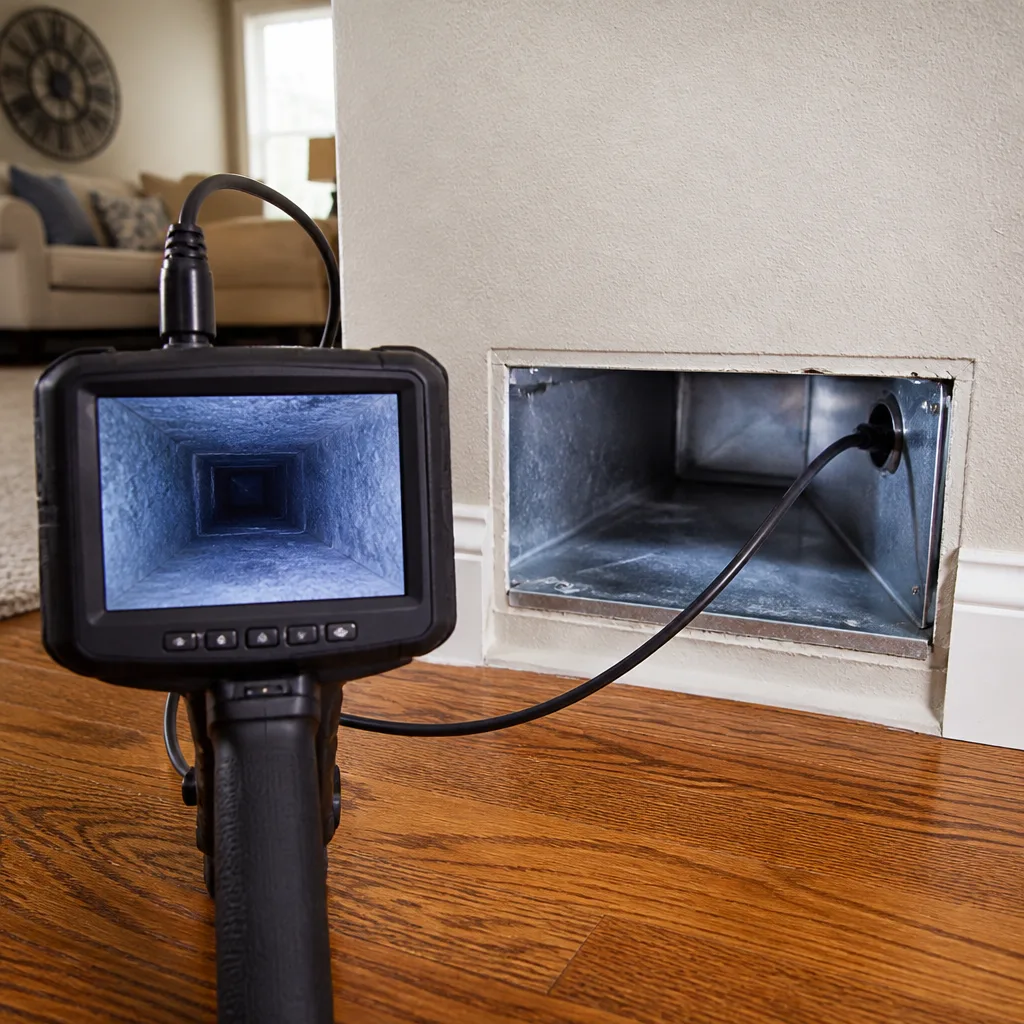 Camera inspection
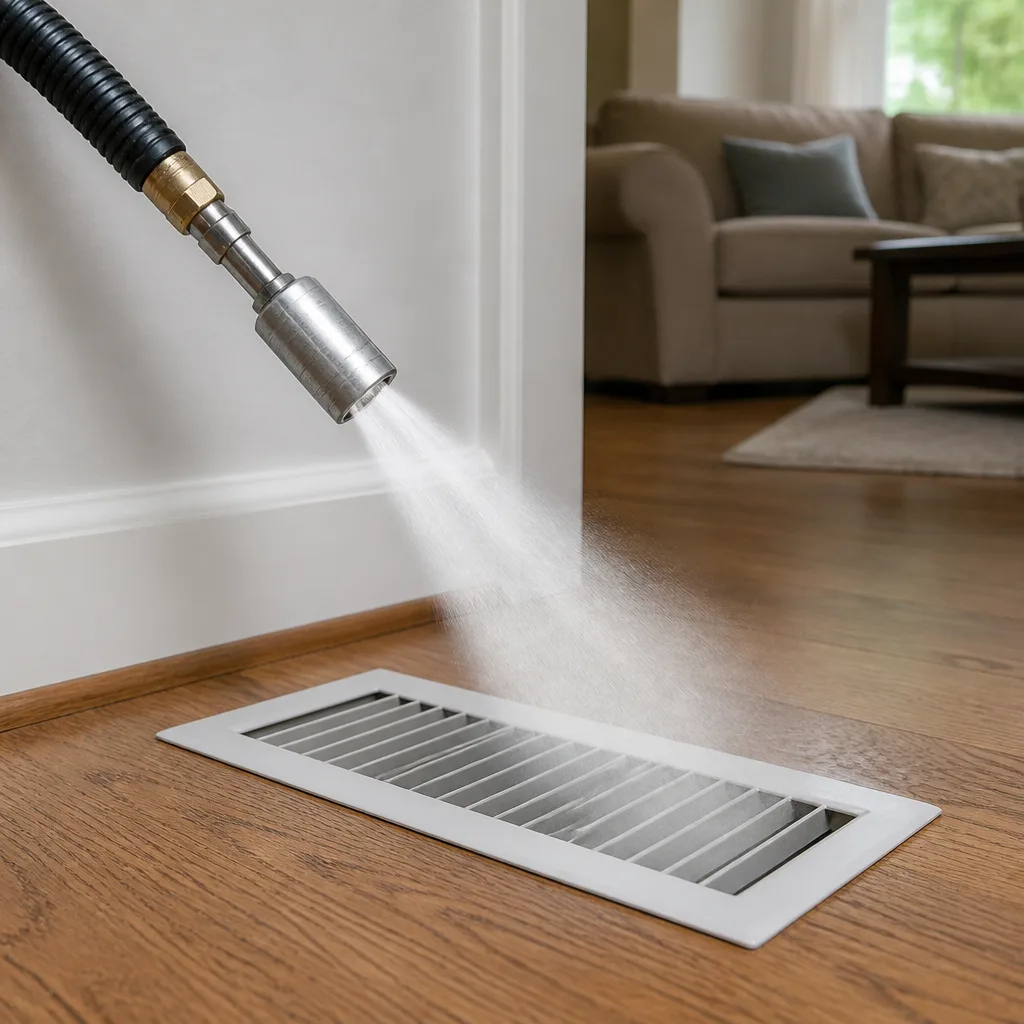 Sanitizing & deodorizing
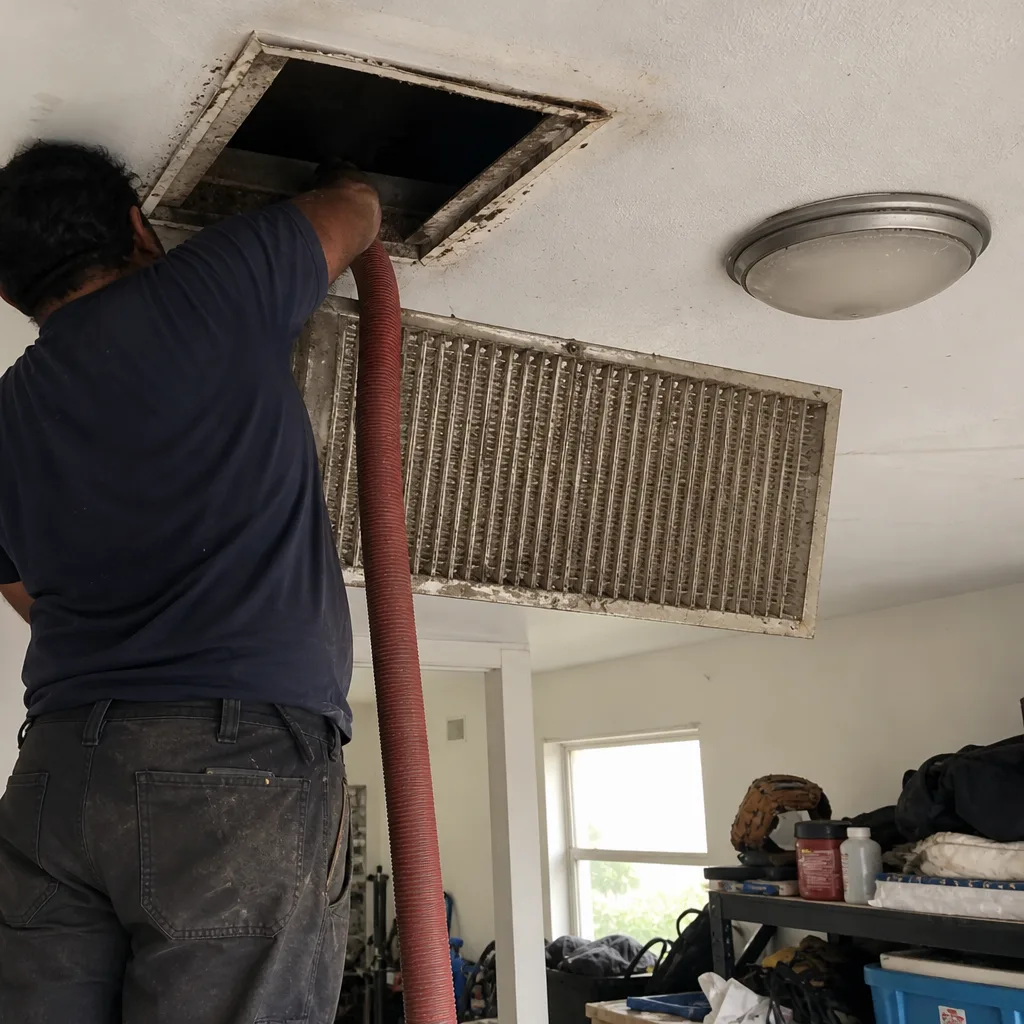
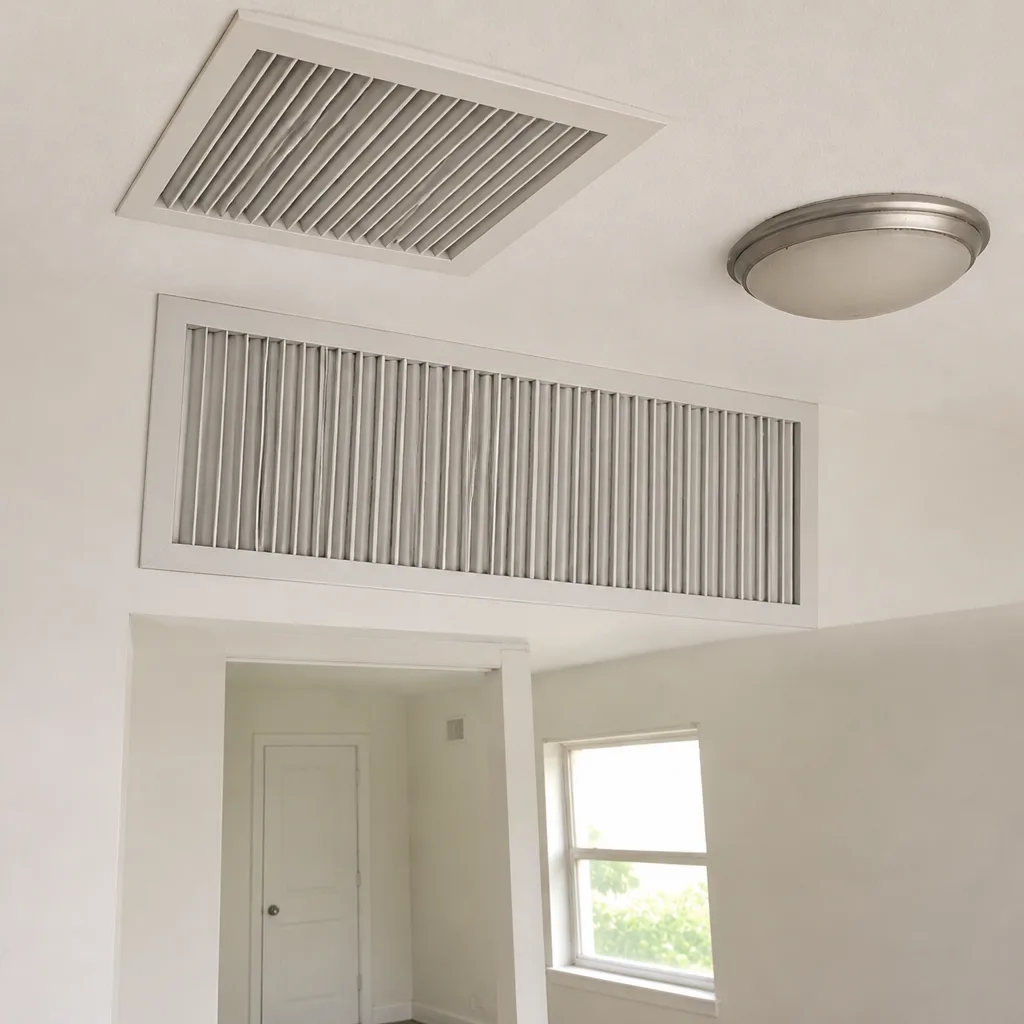
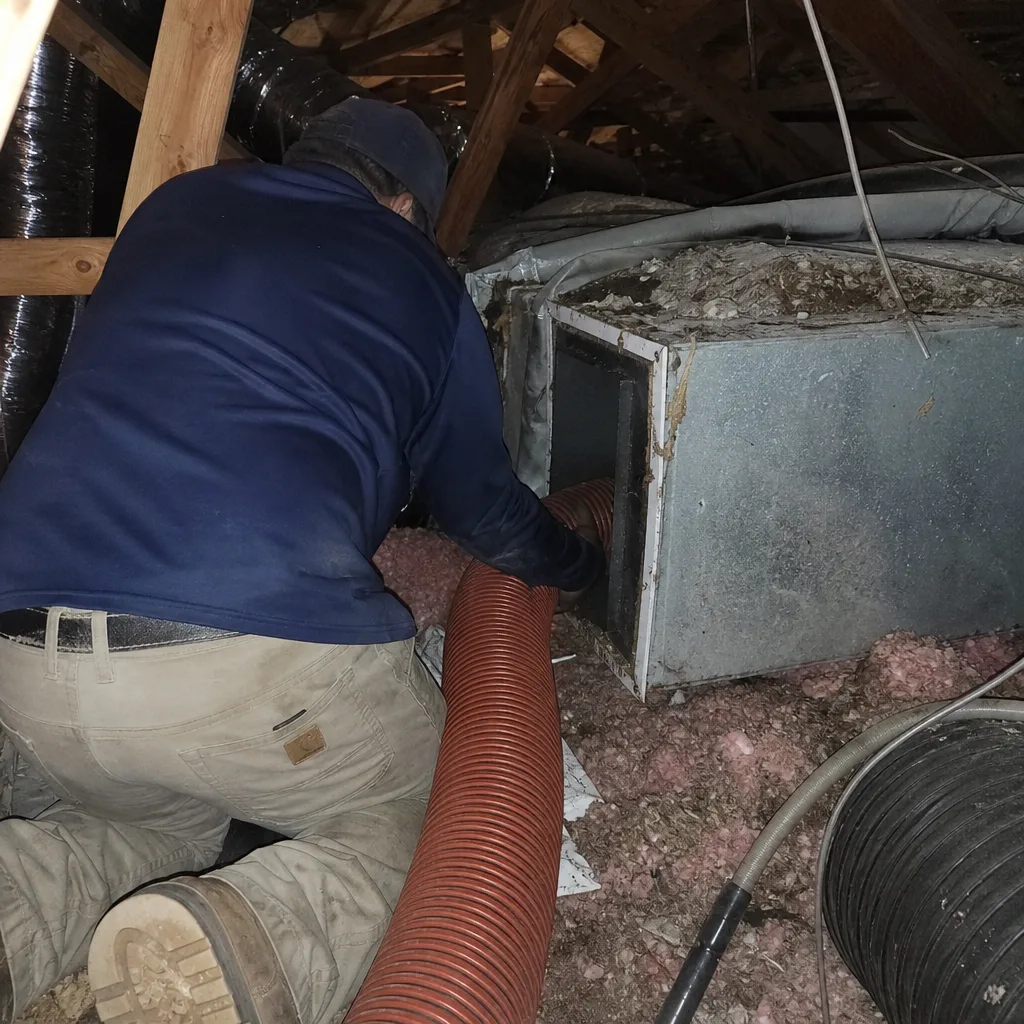
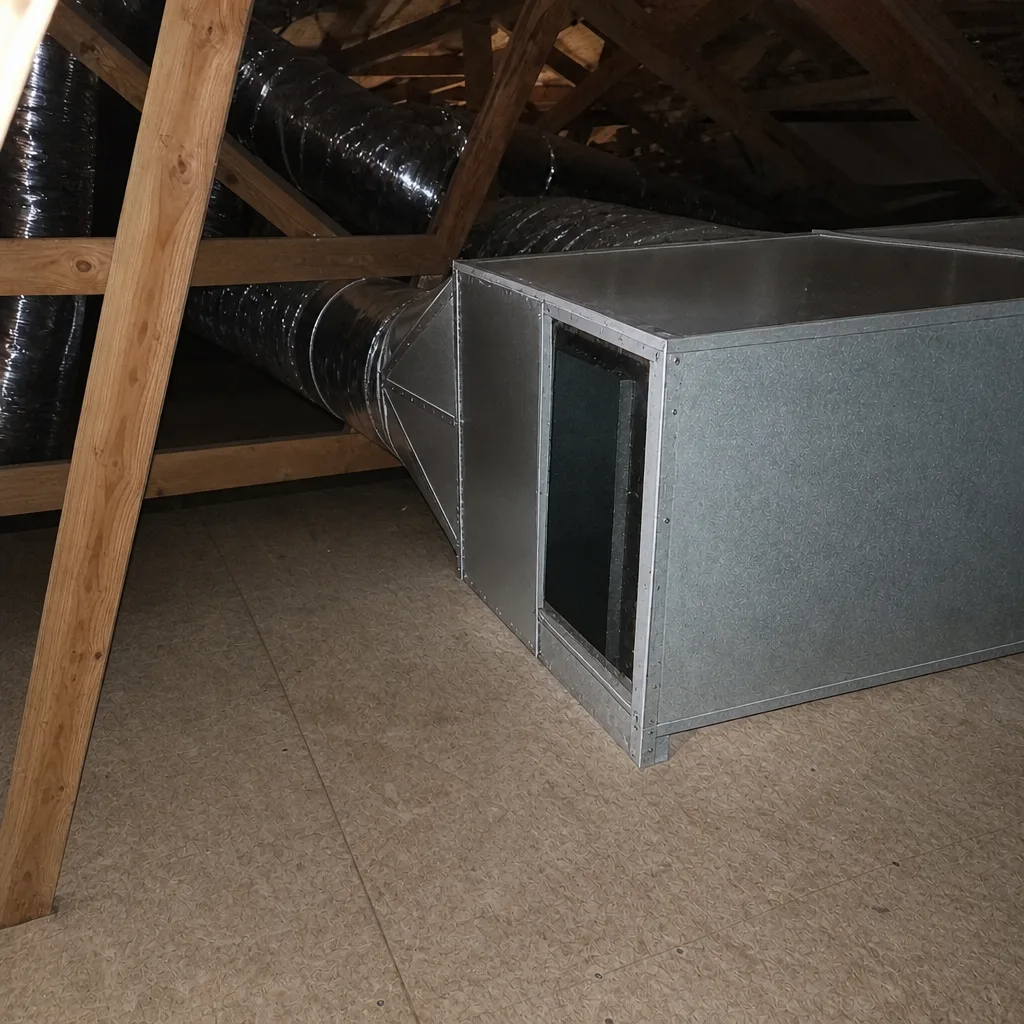
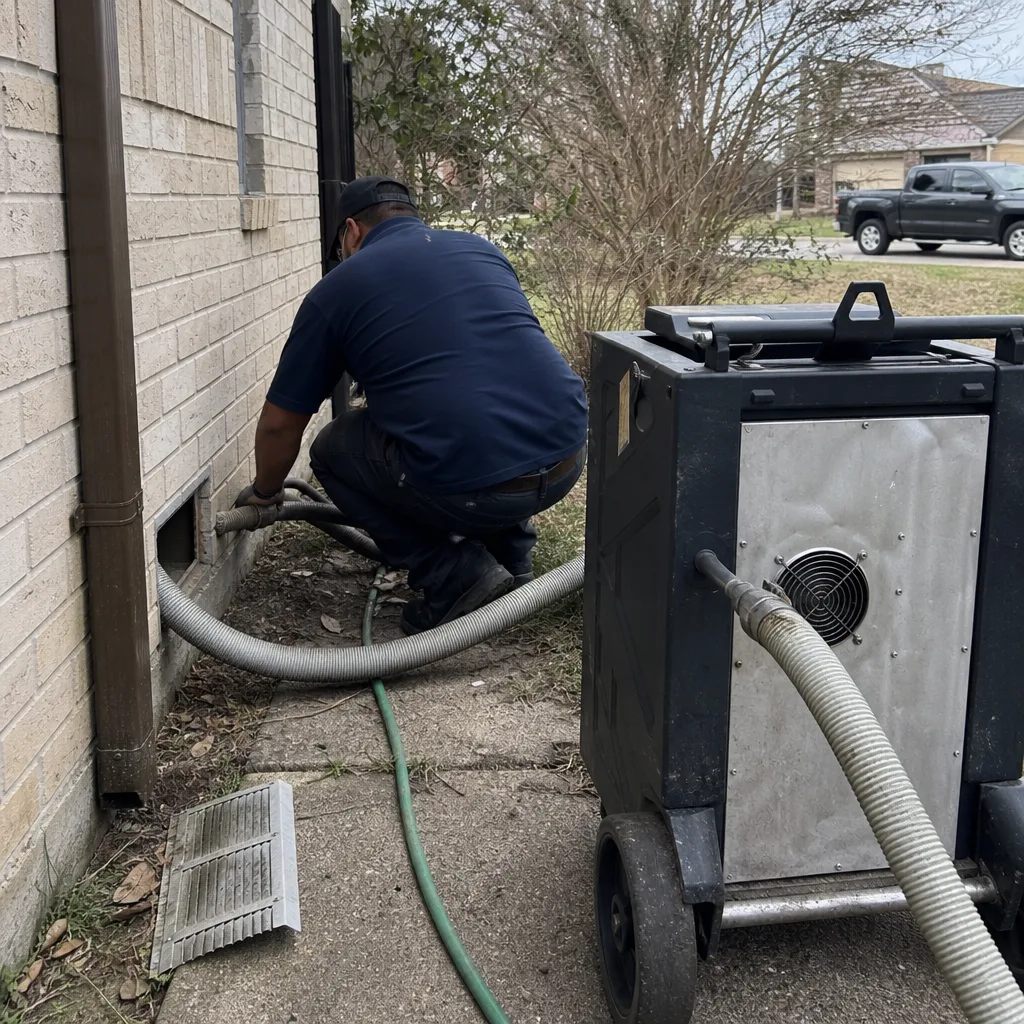
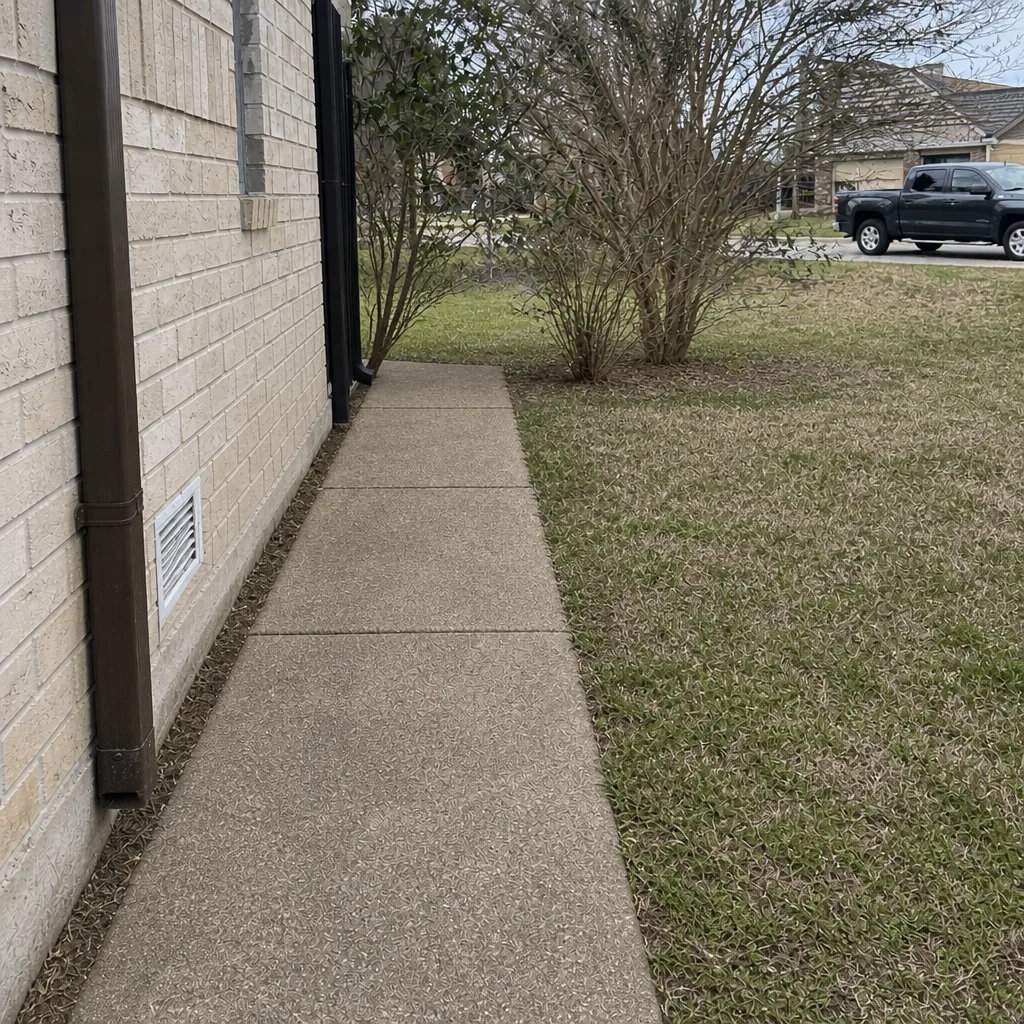
Whole-system duct and dryer vent check with before-and-after photos - you see exactly what came out of your vents
That "$99 whole-house special" is a bait ad - the real number appears once they are in your hallway, or the "clean" is a shop-vac at the register. We photograph the inside of your ducts before and after instead.
Air Duct Cleaning Troubleshooting in Corpus Christi: Common Problems and How to Fix Them
If your HVAC passed its last tune-up with flying colors but one room still won’t cool, the unit isn’t the problem – the pathway is. Most homeowners in Corpus Christi blame the condenser or the thermostat when air feels weak, stale, or uneven, then spend money on a service call that ends with “the equipment is fine.” That answer is half right. The equipment is fine. The duct system carrying its output is often where the failure lives. This guide treats your ducts as a diagnostic object, not just a surface to vacuum. You’ll learn how to tell a cleaning problem from a structural one, what the local heat does to flex duct, and when a repair is the honest fix.
Quick Answer
Air duct problems in Corpus Christi usually fall into two buckets: contamination (dust, debris, moisture, odors) and structure (collapsed flex duct, blocked branches, disconnected joints, pressure imbalance). Cleaning solves the first bucket. The second bucket needs repair before cleaning means anything. A homeowner can separate the two with a few airflow checks before calling anyone. If one register is weak and the rest are strong, suspect structure. If every register is weak but the equipment is healthy, suspect a return or main trunk restriction. If odors return within days of a cleaning, suspect moisture, mold regrowth, or a drain pan cross-connection.
Styles & brands we work with
- Whole-home duct cleaning
- Dryer vent cleaning
- Camera inspection
- Sanitizing & deodorizing
Table of Contents
- How Do You Tell a Cleaning Problem From a Structural Duct Problem?
- Why Does Corpus Christi Attic Heat Choke Airflow to Specific Rooms?
- What Do Musty Odors After Cleaning Actually Signal?
- Why Do Clean Ducts Get Recontaminated So Fast in Tight Houses?
- What’s the Difference Between a Cleaner’s Fix and a Repair Contractor’s Fix?
- How Do You Troubleshoot a Dryer Vent That Hasn’t Been Serviced in Years?
- A Step-by-Step Homeowner Walkthrough for Diagnosing Duct Trouble
- What Does Fixing a Duct Problem Typically Cost in Corpus Christi?
How Do You Tell a Cleaning Problem From a Structural Duct Problem?
You test the airflow, not the dust. A cleaning problem shows up as uniform grime and odors across the system. A structural problem shows up as uneven performance: one room that never gets cold, a register that barely whispers, a return that feels weaker than it should. Grab a tissue or a strip of light paper and hold it against each supply register while the system runs. Then walk the same route with your hand at the return grilles.
Here’s how to read what you find:
- One supply register is weak, the rest are strong. A branch duct is pinched, collapsed, or disconnected before it reaches that room. Cleaning won’t open a line that’s mechanically closed.
- Every register is weak but the equipment checks out. Look at the return side and the main trunk. A choked return starves the whole system.
- Airflow is strong but the room stays warm. That’s often a balance problem – too much air short-circuiting to the return, or a duct run routed through a hot attic zone without adequate insulation.
- Visible dust puffs out of a register on startup. Material is sitting loose in the duct or a joint has opened and is pulling attic air.
- Odor at one register only. Something is living in that branch – a dead critter, moisture, or a section of flex liner shedding.
Run this check when the system has been running a while. A cold start tells you less than a system that’s settled in. If the results point in more than one direction, that’s your signal to get a diagnostic look rather than a vacuum-only visit. A specialist who diagnoses, cleans, and repairs is worth more than a van that only cleans.
Why Does Corpus Christi Attic Heat Choke Airflow to Specific Rooms?
Because attic temperatures here routinely push past 150°F in summer, and flex duct hates that. Flex duct is a plastic liner wrapped in a wire coil and insulation. When the outer jacket sags under its own weight and heat, the inner liner pinches. The coil keeps the outer shape, so the duct looks fine from across the attic while the actual airway has closed to a fraction of its diameter. Air moves through what’s open, not what’s there.
The result is predictable: rooms at the end of a long run, or on the hottest side of the house, lose the most airflow. That’s why a Corpus Christi homeowner often reports the same two rooms warm every summer while the front of the house is fine. The equipment isn’t drawing the right conclusion – it’s just pushing against a pinched line.
Things that accelerate the failure:
- Unsupported spans. Flex duct should be hung with gentle support; when it’s stretched tight or sagging loose, the liner pinches at the low point.
- Sharp bends at the plenum. A hard 90-degree kink at the takeoff cuts airflow more than ten feet of straight run.
- Insulation breakdown. Heat-soaked insulation stops doing its job, so the air arrives warm even when the volume is right.
- Compressed ducts under stored boxes. Attic storage crushes whatever is underneath it.
This is the point where cleaning and repair split apart. Cleaning removes debris from a healthy duct. If the duct itself has collapsed, cleaning can’t reopen it – a technician has to replace or re-stretch the run, re-support it properly, and reconnect the joint. When we’re in an attic in Corpus Christi, we’re looking at duct integrity the same way we’re looking at contamination, because the two problems live in the same space.
What Do Musty Odors After Cleaning Actually Signal?
It signals that something was feeding the odor that cleaning didn’t reach. Three causes dominate, and each points to a different fix.
Residual moisture. If the ducts were damp when they were cleaned, or a section stayed damp, the musty smell returns within a week. The moisture usually comes from a humid interior, an oversized or short-cycling system that never moves enough air to dry the duct, or a nearby plumbing or roof leak you haven’t found yet. Drying the system and finding the source matters more than re-vacuuming.
Mold regrowth on a substrate. Porous duct liner and insulation board hold spores if the conditions are right. If the liner is compromised and grew organisms, cleaning surface dust off it doesn’t fix the underlying colonization. This is exactly where remediation-grade equipment and capability matter – standard equipment isn’t built for that environment. We carry Ironside Duct Cleaning equipment from Abatement Technologies for jobs where contamination goes beyond routine dust, and a proper job includes identifying whether the source is the liner, the evaporator coil, or the return.
Drain pan cross-contamination. The condensate pan under the air handler collects water and can grow biofilm. Air pulled across it carries the smell into the whole system. Cleaning the ducts while leaving a fouled pan is like wiping the sink and ignoring the drain.
What musty odors almost never signal alone is a cleaning failure. If the smell came back fast, the cleaning was likely fine and the moisture source was never addressed. The question to answer is: where is the water and the food source coming from?
Why Do Clean Ducts Get Recontaminated So Fast in Tight Houses?
Because duct cleaning resets the clock, and the clock restarts fast when your house is under negative pressure. A tightly built home is good for energy bills and bad for duct cleanliness. When the living space is sealed, the system has to pull air from somewhere. Every weak joint, unsealed register boot, and attic-mounted air handler becomes a suction point. That means attic dust, insulation fibers, and even pest debris get pulled into the return through a gap you can’t see from inside.
Common negative-pressure triggers in a Corpus Christi home:
- Undersized or missing returns. The equipment pulls extra volume from anywhere it can find it, including gaps.
- Closed interior doors with no return path. Rooms go negative individually and pull through wall cavities.
- Unsealed attic penetrations. Supply boots, return chases, and the air handler platform often have open gaps to attic air.
- Leaky return duct in the garage or attic. One break here feeds contamination into every branch.
The fix is boring but decisive: seal the returns and the boots, confirm the return is sized to the equipment, and check that the attic-side duct isn’t sucking in unconditioned air. A pressure-balanced system holds a cleaning result for years rather than weeks. That’s why our walkthrough on any job includes seal inspection, not just vacuum time. If we’re cleaning the duct and ignoring the envelope leak, we’re setting you up to call us back – and that’s not how a specialist should work.
What’s the Difference Between a Cleaner’s Fix and a Repair Contractor’s Fix?
A cleaner’s fix removes debris and calls it done. A repair contractor’s fix finds the failed joint, the collapsed run, the open boot, and corrects the structure so the next cleaning holds. Both are legitimate services, but they solve different problems.
Here’s how the two fixes diverge in practice:
| Problem | Cleaning-only fix | Repair fix |
|---|---|---|
| Collapsed flex duct run | Vacuum the remaining airway, airflow stays weak | Replace or re-stretch the run, reconnect, re-support |
| Detached branch at a takeoff | Vacuum inside the trunk, leak pulls attic air back in | Reconnect and seal the joint |
| Open supply boot in attic | Dust returns within weeks | Seal the boot to the ceiling, close the path |
| Crushed duct under stored boxes | Airflow unchanged | Rebuild the run and re-route around storage |
| Fouled evaporator coil | Odor returns after cleaning | Coordinate a coil cleaning with the HVAC side |
If your system’s problem is contamination, air duct cleaning handles it. If the problem is structural, cleaning alone won’t touch it. Ironside offers Air Duct Repair as its own service for exactly this reason – most companies either refer the repair out or ignore it, because clean-only is a simpler job. We’d rather tell you which fix your system actually needs than sell the one we happen to be set up for. Our technicians have up to 12 years of experience separating those two cases.
How Do You Troubleshoot a Dryer Vent That Hasn’t Been Serviced in Years?
Start with the load time. If your dryer takes noticeably longer than it used to, or clothes come out damp at the end of a full cycle, the vent is likely restricted. That restriction is also a fire risk, which is why dryer vent cleaning deserves the same diagnostic attention as the supply ducts.
Run this check:
- Check the outside vent flap. Have someone watch the exterior hood while the dryer runs. Weak or no flap movement means a restriction upstream.
- Feel the exhaust air. Warm, strong airflow is healthy. Barely warm and weak is a restriction sign.
- Look behind the dryer. A crushed or kinked transition hose is a common and easy culprit.
- Inspect the lint trap housing. Lint that bypasses the screen accumulates in the housing and the first few feet of duct.
- Check the duct run routing. Long runs with multiple elbows restrict flow more than a short straight run. Rigid duct outperforms flex every time.
- Watch for the smell. A hot, dusty smell on cycle points to lint contacting a heat source.
If any of those checks fail, stop using the dryer until the vent is cleared. Lint ignition is a leading cause of residential house fires, and a restricted vent is the condition that makes it possible. We treat dryer vents as safety equipment, not an add-on. Our equipment includes a Rotobrush contact-vacuum system and Nikro negative-air machines, which is what you need to pull accumulated lint from a long run without pushing it deeper. A consumer shop-vac or leaf blower can’t do that safely – the professionals use contact brushing and controlled airflow for a reason.
A Step-by-Step Homeowner Walkthrough for Diagnosing Duct Trouble
Before you call anyone, run this check. It takes 20 minutes and gives the technician – or you – real information.
- Confirm the equipment is healthy. Change the filter and note its condition. A filter that’s dirty in a few weeks is telling you dust is circulating. If the filter is clean and air is still weak, the issue is downstream.
- Test airflow at each supply register. Use a tissue or a thin strip of paper. Note which rooms are weak. Compare them to the HVAC schematic if you have one.
- Test the returns. Strong return suction is healthy. Weak returns point to a restriction or an undersized return.
- Listen at the register. A whistling or rattling register often means excess static pressure – a blocked or undersized branch.
- Look for dirt patterns. Black rings around a register or a streak on the ceiling near a boot indicate attic air being pulled in through a gap.
- Note odors. Musty, dusty, or chemical. Each points a different direction.
- Check outside. Confirm the condenser is running and the outside unit is clear.
- Check the dryer vent separately using the steps above.
- Write it down. A short list of “room X is weak in summer, room Y is fine, musty smell at return” is enormously useful at the estimate stage.
If the audit says contamination, call for a cleaning. If it says structure, call for a diagnostic. If it says both, ask for a company that does both. That’s what separates a good outcome from one that repeats in six months.
What Does Fixing a Duct Problem Typically Cost in Corpus Christi?
Costs vary by system size and problem type, so any honest number is a range. Cleaning is priced as one flat price per system, not per vent, agreed before work starts. Repair costs depend on how many runs or joints need correction. Below are typical ranges for the Corpus Christi market, and your written estimate sets the final price.
| Service | Typical range |
|---|---|
| Full-system air duct cleaning | $350 – $650 |
| Dryer vent cleaning (single run) | $120 – $250 |
| Duct repair – reconnect and seal a joint | $150 – $350 per location |
| Duct repair – replace collapsed flex run | $250 – $550 per run |
| Return-side repair or opening correction | $200 – $500 |
Two things to look for in any quote:
- Per-vent pricing or teaser pricing. A low advertised price that balloons once the technician is on site is the classic bait-and-switch. A flat whole-system price avoids it.
- Before-and-after photos of your own ducts. Not stock images from a brochure. Yours. If a company won’t show you the inside of your own system, ask why.
If the estimate is verbal, ask for it in writing. A written estimate is the number that actually matters. It should state the scope – which ducts, which repairs, which safety checks – and the final price. We’ve watched too many homeowners in Corpus Christi get burned by the “specials” that turn into three times the quoted number once the van is parked. The honest shops in this city are happy to put their price in writing before anyone touches a duct.
Common Mistakes to Avoid
- Assuming the HVAC unit is the problem when airflow is uneven. Equipment passes a tune-up and still can’t overcome a collapsed branch. Test airflow at the registers before calling for an equipment repair.
- Hiring a per-vent or coupon-price cleaner. The price quoted rarely matches the invoice. Ask for a flat whole-system price in writing before work begins.
- Cleaning when you need repair. A vacuum can’t reopen a pinched run. If the duct structure is compromised, cleaning wastes money and delays the real fix.
- Ignoring musty odors after cleaning. Fast-returning odor almost always means moisture or a fouled drain pan, not a bad cleaning. Find the source.
- Skipping the dryer vent. Many Corpus Christi homeowners clean their supply ducts but never touch the dryer vent, which is the leading fire risk in the same system.
- Not fixing attic leaks. Cleaning without sealing boots and returns means the same dust comes right back. Fix the envelope, then clean.
- Trusting a generalist HVAC company as a duct specialist. Duct cleaning is a different trade from equipment service. A shop that does both without dedicated duct equipment is doing neither at full capability.
See the difference
 Before
 After
 Before
 After
 Before
 After
When to Call a Professional
Call us when airflow is visibly uneven, when odors return fast after cleaning, when you see black rings around registers or dust puffing on startup, or when the dryer is taking longer than it used to. Call when you see visible dust, mold, or debris and can’t tell if it’s surface grime or a structural problem. Call when you’re buying or selling a home in Corpus Christi and want the ducts checked before you sign. Call when the last duct cleaning was done by a company you can’t vouch for and you want a real diagnosis rather than another vacuum pass. Ironside Duct Cleaning offers free estimates in Corpus Christi. Call (833) 435-2252. We answer 24/7. Fast dispatch from 7am to 7pm, Sunday through Friday. A call outside dispatch hours is booked into the next opening.
Frequently Asked Questions
Most full-system air duct cleanings in Corpus Christi run $350 to $650, depending on system size and how much contamination is present. Dryer vent cleaning typically runs $120 to $250. Duct repair is priced separately per location or run. The final price is set by the written estimate after we see the system. Call (833) 435-2252 for an exact quote – estimates are free.
Because a low per-vent or coupon price is a starting number, not a final one. A shop quoting $49 or a “special” that reads $99 almost always finds reasons to add charges once the technician is inside the house. Real equipment – contact-vacuum brushing, negative-air machines, HEPA filtration – costs the operator real money to run, and a price that low can’t cover it. Ask for a flat whole-system price in writing and before-and-after photos of your own ducts. Call (833) 435-2252 if you want an honest number.
Ask for before-and-after photos taken inside your own duct system – not stock images. A professional service will show you the interiors, the supply boots, and the return, and will walk you through what was found. Our technicians have up to 12 years of experience, and we photograph the system before and after every cleaning as standard practice. Call (833) 435-2252 to book an estimate.
Every three to five years is a reasonable guide for most homes, but the real answer depends on your house. Homes with pets, recent construction, water damage, or a tightly sealed envelope need it more often. Homes with a healthy return and sealed attic boots can go longer. The right frequency is the one your system tells you – dust, odors, and airflow patterns are your signals. Call (833) 435-2252 if you’re unsure where you stand.
Because a single weak supply register usually points to a branch duct problem, not an equipment problem. The most common culprit in Corpus Christi is flex duct that has pinched or partially collapsed from attic heat – a failure that shows up as one warm room every summer. Cleaning won’t fix it; a technician has to inspect and repair the run. Call (833) 435-2252 for a diagnostic visit.
Yes. Lint is highly flammable, and a vent that has accumulated for years is a genuine fire risk. We treat dryer vent cleaning as safety work, not maintenance. If your dryer takes longer than it used to, or clothes come out damp, stop using it until the vent is checked. Call (833) 435-2252 to schedule.
The Bottom Line
Most duct symptoms your HVAC company can’t explain point to the pathway, not the equipment. Uneven airflow, musty odors, fast-returning dust, and a dryer that takes too long are all diagnostic signals. Clean what’s contaminated, repair what’s broken, and seal what’s leaking – in the right order. A specialist who diagnoses, cleans, and repairs will find the real cause on the first visit instead of selling a vacuum pass that repeats in six months. Our technicians have up to 12 years of experience with the systems in Corpus Christi and the tools to fix what they find.
Ready for a real diagnosis instead of another guess? Call Ironside Duct Cleaning at (833) 435-2252 for a free estimate on air duct cleaning, Air Duct Repair, or dryer vent cleaning. We answer 24/7. Fast dispatch from 7am to 7pm, Sunday through Friday. One flat price per system agreed before work starts, before-and-after photos of your own ducts, and a written estimate that holds. If we find a structural problem, we fix it – not ignore it.
Written by the team at Ironside Duct Cleaning.