
Last updated November 14, 2026
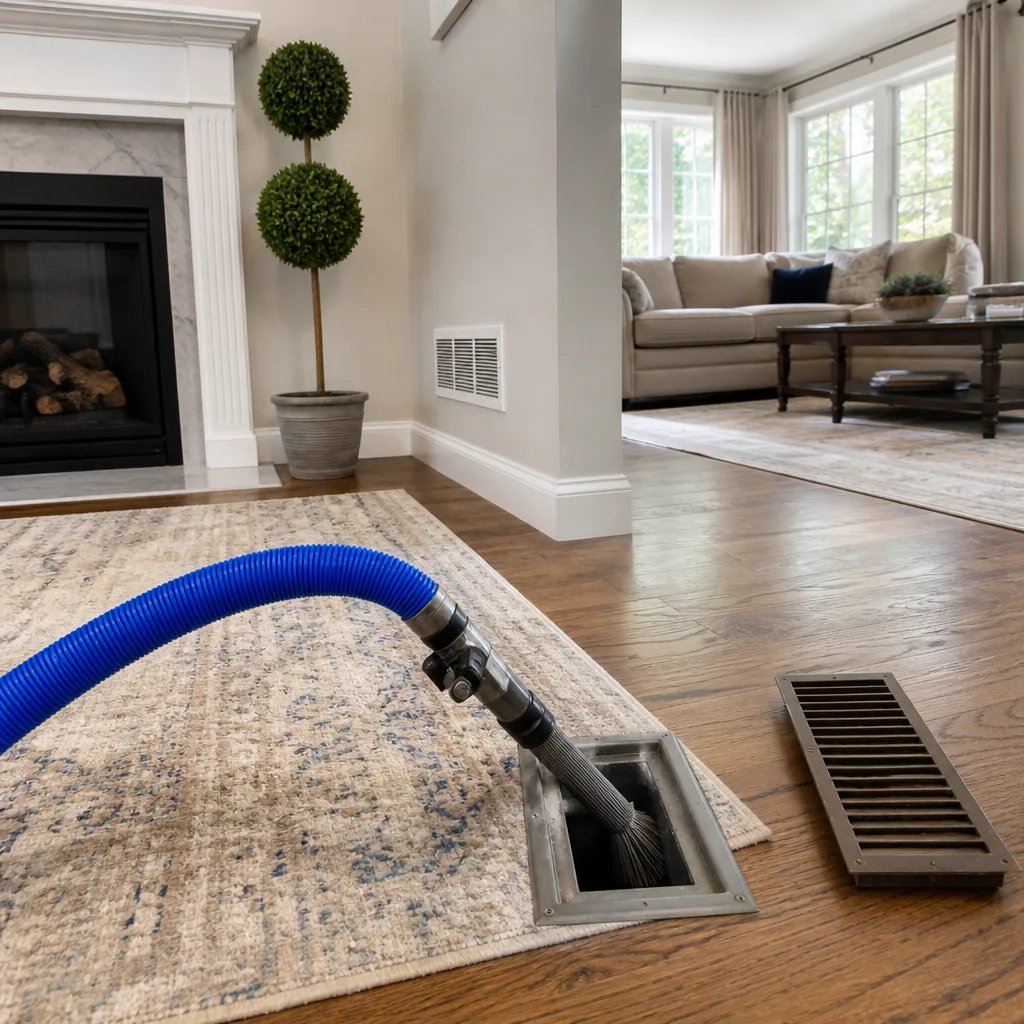 Whole-home duct cleaning
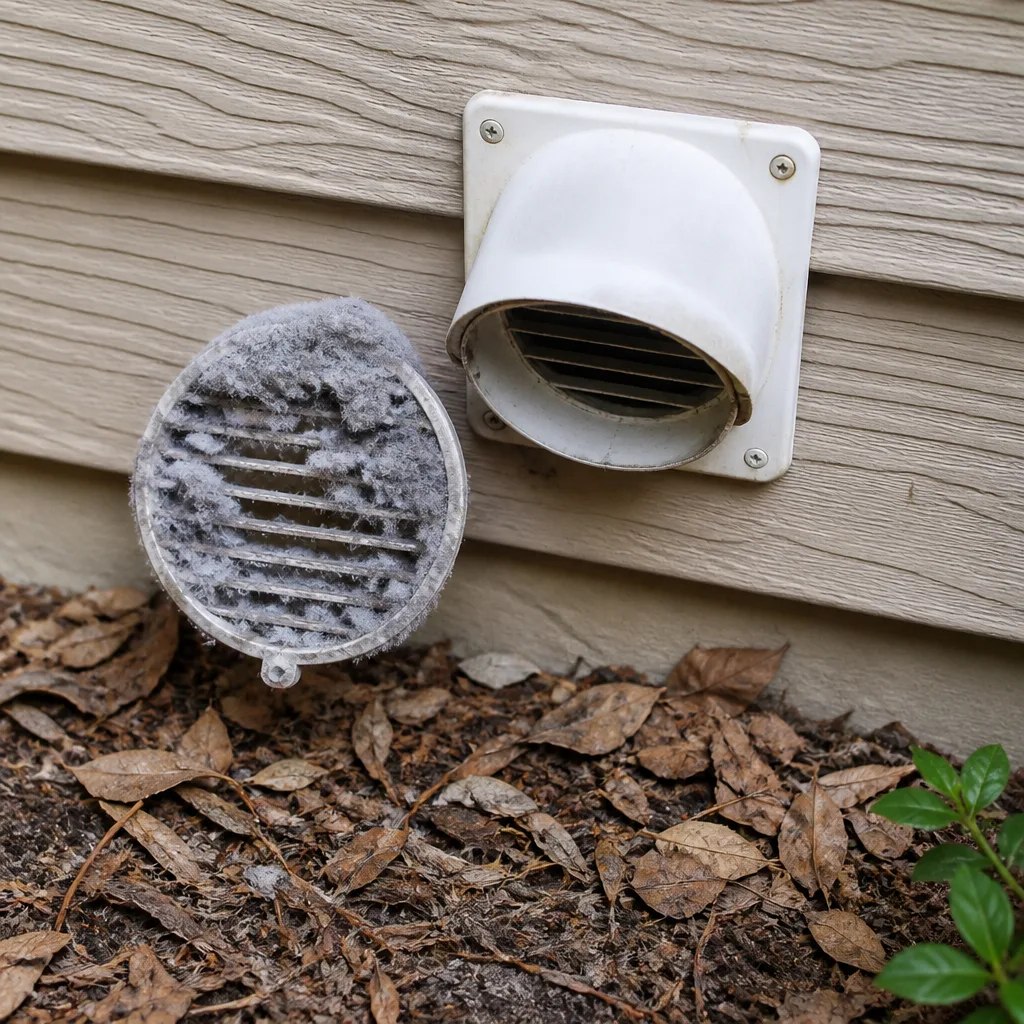 Dryer vent cleaning
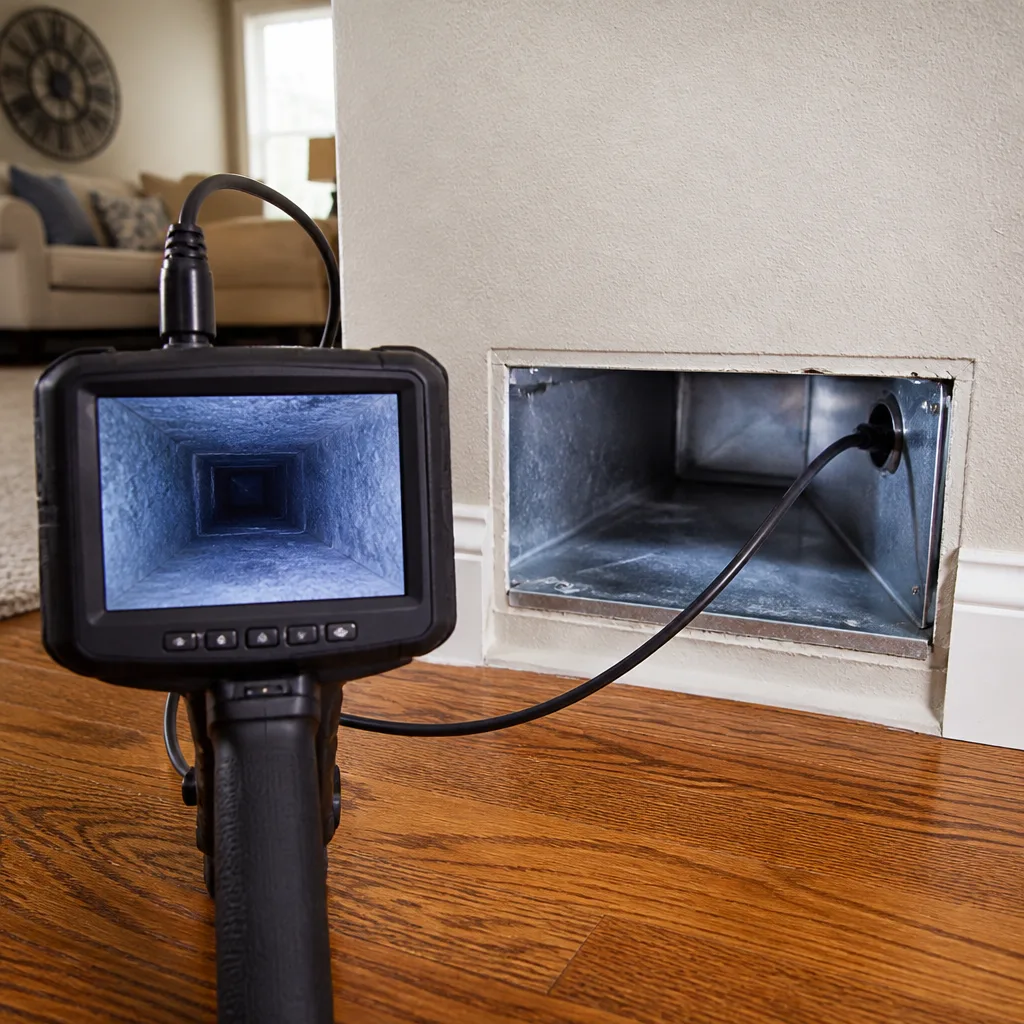 Camera inspection
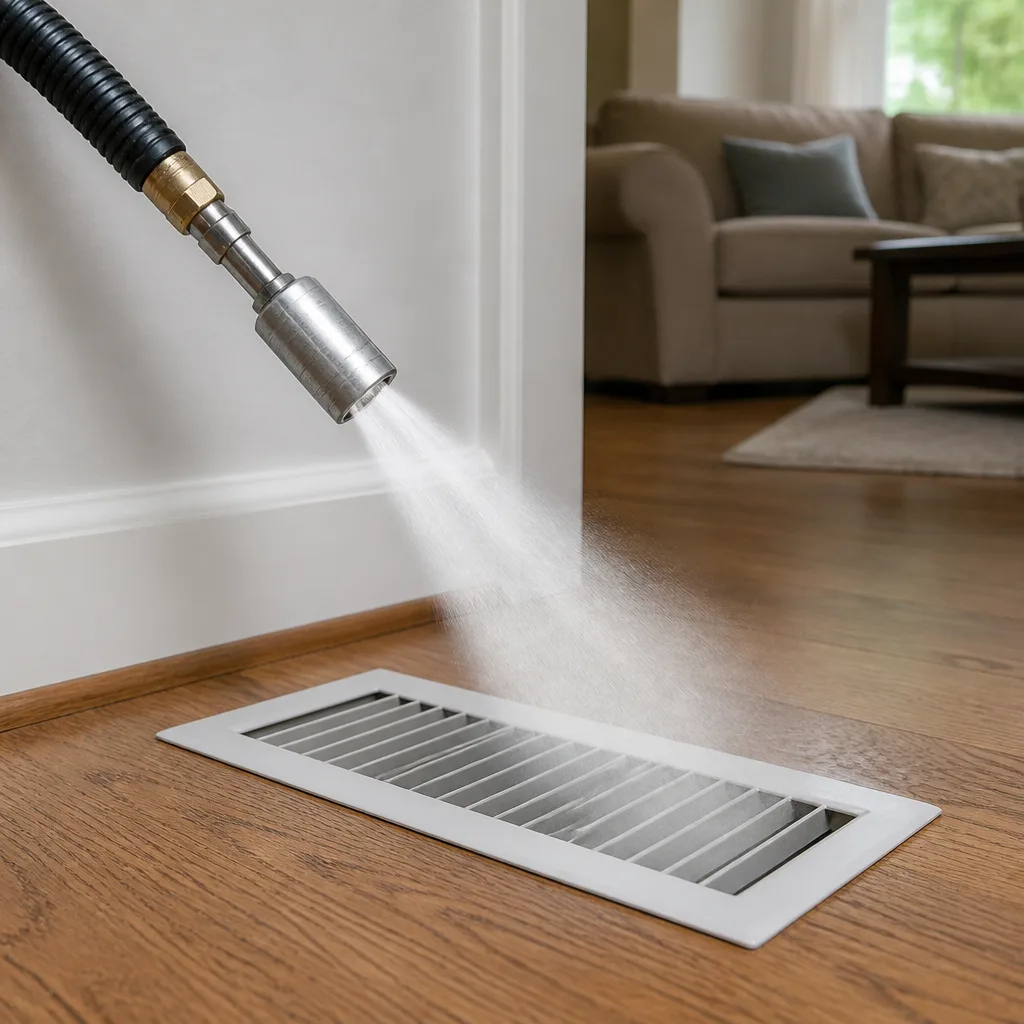 Sanitizing & deodorizing
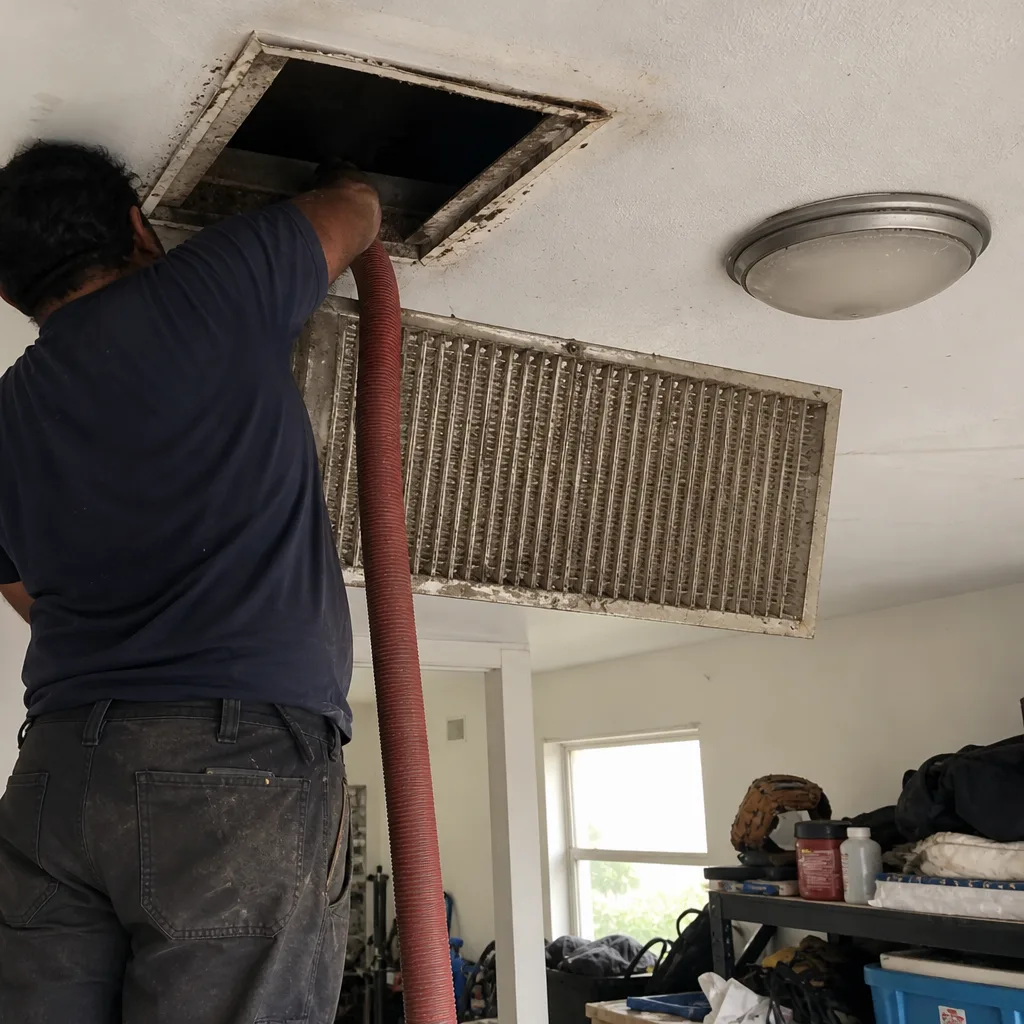
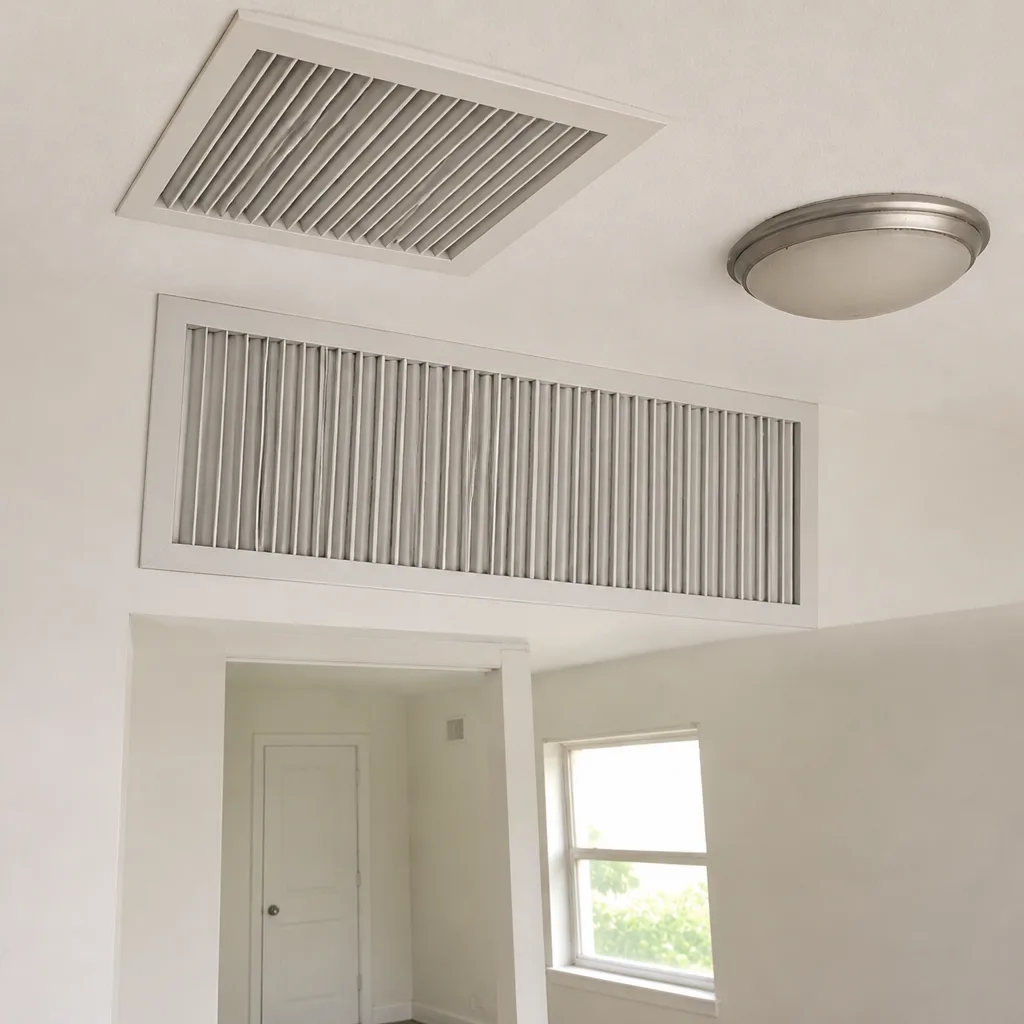
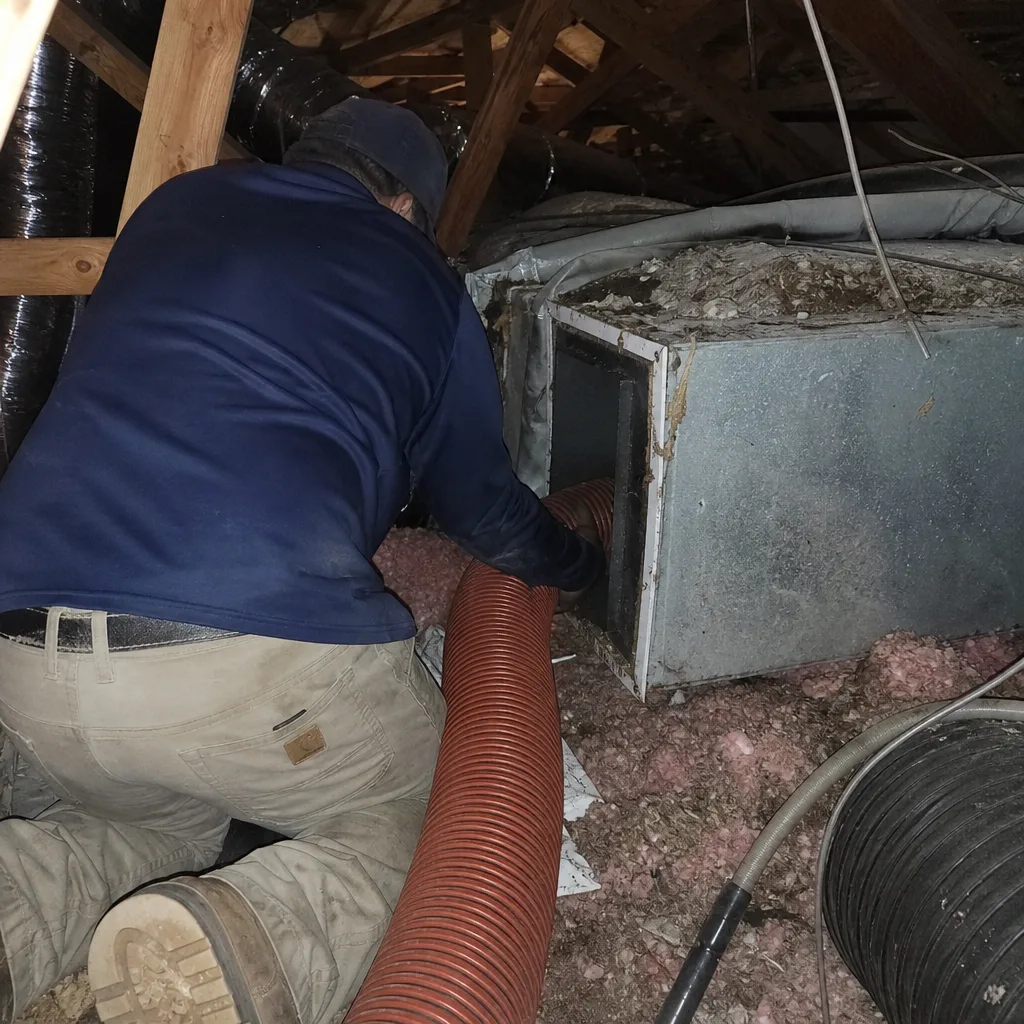
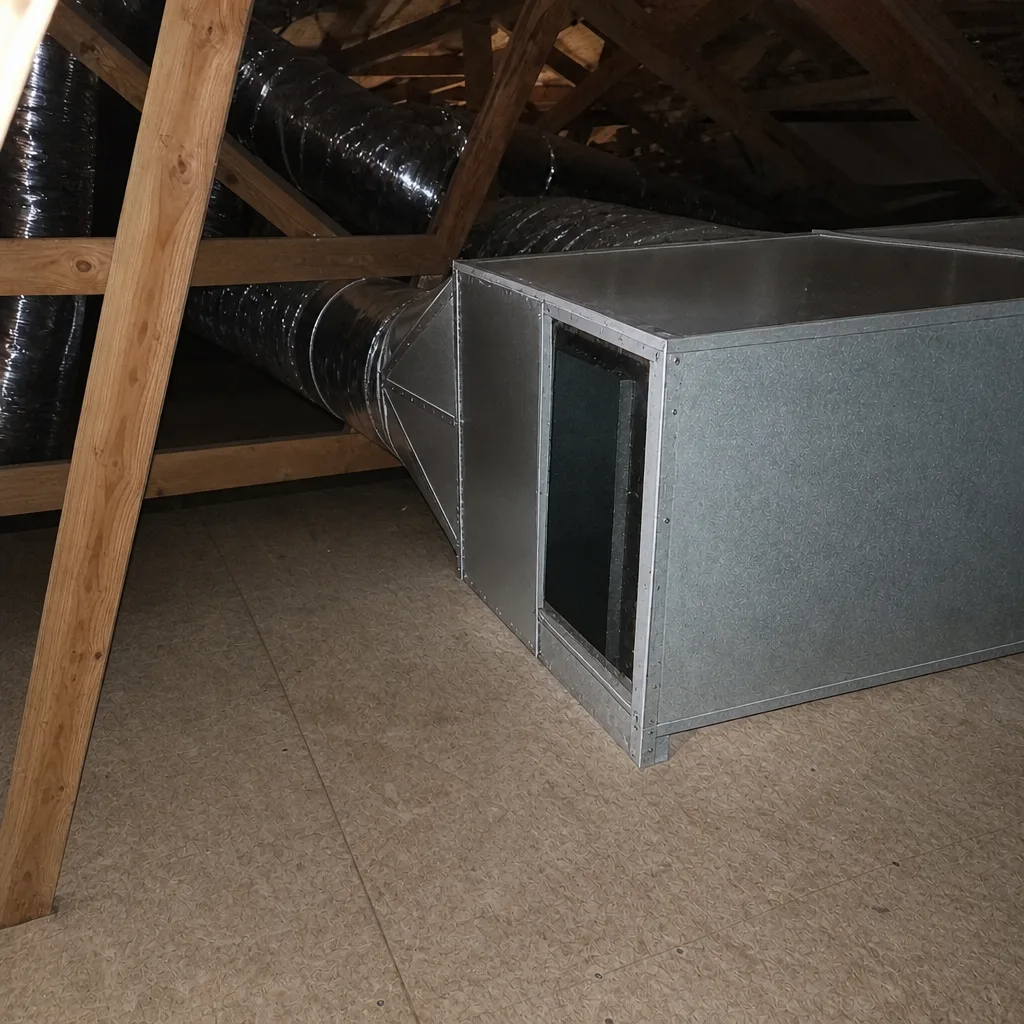
Whole-system duct and dryer vent check with before-and-after photos - you see exactly what came out of your vents
That "$99 whole-house special" is a bait ad - the real number appears once they are in your hallway, or the "clean" is a shop-vac at the register. We photograph the inside of your ducts before and after instead.
DIY vs Professional Air Duct Cleaning: The Corpus Christi Homeowner’s Decision Guide
A shop vac and a dryer vent brush can clean the first foot of a supply register, and it will look great when you’re done. The contamination that actually affects your air quality usually lives 15 to 40 feet in, at the trunk-to-branch junctions and inside the air handler cabinet itself. That’s not a knock on your effort. It’s a gap in equipment physics. A wet/dry vac pulls a few hundred cubic feet per minute of air at the hose; a negative-air remediation system pulls thousands while a contact brush knocks debris loose inside the same sealed path. Below, we’ll map exactly where homeowner work adds real value, where it creates a false sense of “done,” and how to tell which situation you’re in before you spend a weekend on it. That matters more in Corpus Christi than in most places, for reasons we’ll get to.
Quick Answer
DIY duct cleaning makes sense when the only problem is dusty register covers, loose lint at the dryer vent’s indoor opening, or a dirty filter housing. Anything past the first 12 inches of ductwork needs professional negative-pressure equipment to remove rather than redistribute debris. In Corpus Christi, add storm history, humid summer air, and flex duct that’s often older than the house’s last renovation, and the professional side of that line gets crossed faster than it does in a dry climate.
Styles & brands we work with
- Whole-home duct cleaning
- Dryer vent cleaning
- Camera inspection
- Sanitizing & deodorizing
Table of Contents
- What a Shop Vac Can and Can’t Physically Do
- The DIY Tasks That Are Actually Worth Doing
- Why Cleaning Without Containment Can Make Air Quality Worse
- What Makes Corpus Christi Ductwork Different
- How to Do a Pre-Inspection That Saves You Money
- What Professional Cleaning Actually Involves
- A Decision Framework for Your Specific System
- What to Expect to Pay in the Corpus Christi Market
What a Shop Vac Can and Can’t Physically Do
The single most useful number in this whole debate is airflow, measured in cubic feet per minute, or CFM. A typical 6-horsepower shop vac moves somewhere around 150 to 250 CFM at the hose, and that figure drops fast the moment you add a long hose, a reducer, or any restriction. A truck-mounted or portable remediation vacuum paired with a negative-air machine moves 2,000 CFM and up, and it’s pulling through an entire duct system that has been sealed at the registers. That’s roughly a tenfold difference in the force available to lift settled particulate off the duct walls.
Airflow isn’t the whole story, though. Suction alone doesn’t dislodge debris that’s caked or adhered to galvanized metal or to the ridges of flex duct. That takes contact agitation, a spinning brush or a compressed-air whip that physically scrapes the interior. Consumer tools that fit into a residential register are generally too small and too stiff to turn at the angles real ductwork demands.
Here’s a plain comparison of what each side can realistically accomplish:
- Surfaces you can see: A shop vac handles register grilles, the visible throat of a supply boot, and the return air plenum cover. Both approaches do this equally well.
- The first foot of duct: Reachable with a flexible shop-vac attachment, but agitation is minimal, so loose dust comes out and adhered dust stays.
- Beyond a foot, before any bend: A shop vac loses most of its suction. A brush head at the end of a 20-foot cable with full negative pressure still works.
- Trunk lines and junction boxes: Not reachable without system access and a containment setup. This is where most settled debris collects.
- Inside the air handler cabinet: Requires shutting the system down, opening the cabinet safely, and containing the interior. We never recommend this as a homeowner task, because the blower and any electrical components sit right there.
- The dryer vent line: Partly reachable with a proper vent brush kit. More on that below.
If you want a fuller picture of what a real clean covers, our page on air duct cleaning walks through the whole system approach from supply registers through to the return trunk.
The DIY Tasks That Are Actually Worth Doing
We’re not going to tell you that every duct task requires a professional crew. Three are worth your time, they cost little, and doing them consistently extends the interval between full professional cleanings:
- Clean the register covers and the boot throat. Unscrew the cover, wash it in a utility sink with dish soap, dry it fully, and wipe the visible duct throat with a damp cloth. Twenty minutes per register. This handles the most visible dust source and the one you notice first.
- Clear loose lint at the dryer’s indoor opening. Pull the dryer out, disconnect the flex connector if the dryer is accessible for it, and pull out the loose lint with your hand and a vacuum with a narrow attachment. This does not replace a real vent cleaning, but it removes the easy accumulation that builds up fastest.
- Wipe down the filter housing and change the filter. A dirty filter slot sheds dust back into the airstream. Wipe the slot, confirm nothing is wedged at an angle, and replace the filter on schedule. If you have a Honeywell or Aprilaire filter cabinet, follow the manufacturer’s recommended filter and orientation; the wrong filter in a sealed cabinet restricts airflow more than a cheap one in a standard slot.
If you want to go further than these three, our guide to dryer vent cleaning explains where the homeowner-safe line sits on the dryer line specifically, and why lint beyond the first few feet is a different kind of job.
What these three tasks will not do: they won’t dislodge debris from a 30-foot trunk run, they won’t address what has settled at junction boxes, and they won’t touch the air handler. Keep that in mind so you don’t mistake a clean register for a clean system.
Why Cleaning Without Containment Can Make Air Quality Worse
This is the part most DIY guides skip. When you agitate settled dust in a duct without containing the space or capturing the dislodged material with matching vacuum capacity, the dust has to go somewhere, and it goes into your air. Some goes into the room. Some moves downstream into other parts of the system. Either way, for a few hours after an improvised clean, the indoor air is measurably dustier than it was before you started.
Professional cleaning operates on the opposite principle: contain first, disturb second. A negative-air machine with HEPA filtration creates a pressure differential that pulls air (and dust) toward the capture point rather than out into the room. That lets a technician brush aggressively without throwing dust into your living space. When a job involves visible mold or post-construction debris, our technicians bring Abatement Technologies filtration equipment to handle conditions that go beyond a routine clean.
Here’s the practical version of the risk:
- Doing it yourself with a shop vac on a dirty system: You can temporarily raise airborne particulate in the rooms you’re working in. The dust settles back on furniture and floors within hours, and the actual duct walls stay loaded.
- Doing it yourself on a mildly dusty system: Low risk. The register cleaning and filter-housing tasks above fall in this category.
- Professional cleaning on a dirty system: Contained, captured, and measured. Debris leaves the system rather than redistributing through it.
If you or someone in the household has asthma or a dust-triggered respiratory condition, treat any uncontained disturbance of settled dust as something to avoid, at home or elsewhere.
What Makes Corpus Christi Ductwork Different
Two local conditions flip the DIY-versus-professional calculation more often than they would in a dry, stable climate.
The first is humidity. Corpus Christi’s summer air is heavy with moisture, and a duct system that’s not perfectly sealed pulls that humid air into the return path where condensation can form inside the duct. Flex duct is particularly vulnerable because the inner liner holds moisture against insulation. After a few seasons of that, the interior of older flex duct down here starts to look less like ductwork and more like a surface that things grow on. That points to a system that needs inspection and cleaning, not a weekend of homeowner effort.
The second is storm history. This stretch of the Texas coast has been through enough major weather events that a duct system’s condition can trace back to a repair that happened under pressure: a hastily reconnected flex run, a replaced air handler with a mismatched plenum, or a supply boot that never got sealed properly. Those defects let unconditioned attic air into the system. Cleaning alone won’t fix them, but professional inspection catches them, and duct repair closes them. That’s the difference between cleaning around a problem and solving it. It’s also why we treat Ironside Duct Cleaning as an indoor-air-pathway specialist rather than a generalist HVAC shop.
What to look for that shifts the answer to “call a pro” in Corpus Christi specifically:
- Visible mold or dark staining at any supply or return register
- A musty smell that returns within days of a homeowner clean
- Flex duct older than the last roof replacement, especially in an unconditioned attic
- Uneven airflow between rooms after a storm or appliance replacement
- Debris visible inside a return register after you vacuum it (means it’s moving through the system)
If you’re a property manager dealing with one of these attics, our Corpus Christi page has local detail on how these variables play out across the area’s housing stock.
How to Do a Pre-Inspection That Saves You Money
Before you call anyone, spend 30 minutes doing the diagnostic work a contractor would want in the first place. When you hand that information to a professional, you help them scope the job accurately, and occasionally you help them scope it smaller. That’s money back in your pocket.
- Log every register. Walk the house with a notepad and mark each supply and return. Note which ones have visible dust, staining, mold, or debris, and which are clean.
- Check the filter housing. Note what filter you have (fiberglass, pleated, or a sealed cabinet like a Honeywell or Aprilaire). A sealed cabinet tells the contract a lot about the system’s design intent.
- Pull a register cover and look in. Ten seconds with a flashlight inside the boot will tell you whether the first foot is dusty or caked. Photo it.
- Feel the airflow at each supply. Hold your hand at each register while the system runs. Weak flow at two or three registers downstream of the same trunk suggests a blockage or a disconnected run, not just dirt.
- Sniff the return. A musty smell at the return, distinct from the supply side, points to moisture or biological growth in the return path.
- Inspect the dryer line separately. Note its length, its route, and whether you can see lint buildup at the wall opening. A long, winding line is more work than a short, straight one.
Bring those notes to the estimate. A contractor who gets a diagram and photos of what you already found will spend less time diagnosing and more time cleaning. Some jobs that looked like they needed a full system clean to the homeowner turn out to need two runs cleaned and one reconnected. On the other hand, a job that looked minor may turn out to be a full system job once the technician opens the air handler. The point is that you’re giving them the information to decide.
What Professional Cleaning Actually Involves
There’s a wide gap between “competent professional cleaning” and “a guy with a shop vac in a van.” Knowing what the real version looks like protects you from the version that costs less on paper.
A contact-vacuum brushing system, like the Rotobrush platforms our technicians run, works by pairing a spinning brush head with matching suction at the same point. The brush dislodges debris from the duct wall, and the vacuum captures it immediately, before it has a chance to go anywhere else. A separate negative-air machine runs in the background pulling the system into negative pressure so nothing escapes into the room. The two machines do different jobs; both are essential.
The full sequence on a typical job:
- Photograph the registers and duct interiors before any cleaning.
- Set up containment and negative pressure at the air handler or a designated return.
- Access the trunk lines and the air handler cabinet for direct cleaning.
- Brush and vacuum each run from the register side toward the trunk, so debris moves toward the capture point rather than away from it.
- Clean the air handler interior and blower area (with power off and lockout observed).
- Clean the dryer vent line with dedicated vent tools separate from the duct equipment.
- Inspect for defects visible during cleaning: disconnected joints, damaged flex liner, missing insulation, unsealed boots.
- Photograph the result inside each run, so you see the interior after cleaning, not just the register.
Anything on that list that a quote doesn’t include tells you what you’re actually buying. Ask about it before the work starts. If a technician finds a defect during the job, that’s where repair capability matters. Most contractors refer structural duct repairs out, or clean around the defect and finish the job. We repair them in-house, which is why we list duct repair as a standalone service rather than a footnote.
We answer 24/7. Fast dispatch from 7am to 7pm, Sunday through Friday, so you can get an estimate scheduled around what your week actually looks like.
A Decision Framework for Your Specific System
Don’t decide “DIY or professional” as a blanket question. Ask it per system, using these criteria:
- How old is your flex duct? Flex duct installed in the last few years and kept under a maintained filter is usually fine for years before it needs more than register upkeep. Flex duct old enough to have been through a major storm cycle is a different story.
- Is the contamination visible past the register boot? Visible inside the first foot: still in DIY territory for that register. Visible deeper, or in the return: professional.
- Do you have airflow complaints? If specific rooms are noticeably weaker than others, that points to a downstream problem. Professional diagnosis is where to start, not DIY.
- Any musty or persistent odor? Professional.
- Any visible mold at a register? Professional, and mention it when you call so the right equipment comes.
- Is the dryer line more than a couple of years without service? Professional, and treat it as urgent rather than optional. Lint accumulation in the dryer vent is a leading cause of residential house fires, and a brush kit can’t safely clear a long, winding line.
- Has the house been through a renovation? Drywall dust and construction debris go everywhere in a system. Professional cleaning, plus containment, is the right answer.
Match your system to the list. If most of your answers point to “clean and quiet,” DIY maintenance on the registers and filters will carry you. If most point the other way, a professional assessment is the cheaper conversation in the long run.
What to Expect to Pay in the Corpus Christi Market
Estimates for duct cleaning vary widely because they’re priced per system, not per vent. A small single-story home with a simple layout and easy attic access prices differently than a two-story with a maze of flex runs. Ask for an estimate in writing and confirm what it covers: how many runs, whether the air handler is included, whether the dryer vent is included, and whether photos are part of the deliverable. The written estimate sets the final price.
Watch out for the bait-and-switch pattern. If a quote is dramatically lower than others, ask what specifically is excluded. Common exclusions are the air handler cabinet, return trunk runs, and the dryer line. Those exclusions often account for most of the difference, and once the technician is on-site the “extras” get added back. One flat price per system, agreed before work starts, is the opposite of that pattern.
Also ask three questions about methodology, not just price:
- What equipment? A credible answer names contact-vacuum brushing and negative-air equipment. Rotobrush and Nikro are the two platforms we run. If the answer is “a big vacuum,” ask what kind.
- What containment? Every professional job requires matching negative pressure. If the answer is “we just clean real good,” that’s uncontained agitation.
- Will I see photos? Before-and-after photos of your own ducts should be the deliverable, not a stock image.
Estimates are free. Call (833) 435-2252 to schedule one. We answer 24/7. Fast dispatch from 7am to 7pm, Sunday through Friday.
Common Mistakes to Avoid
- Cleaning the register and assuming the duct is clean. A clean register hides a dirty trunk. The trunk is where most of the settled debris lives, and it’s past the point where a shop vac keeps working.
- Trusting a low quote without asking what’s excluded. Low quotes usually exclude the air handler cabinet, the return trunk, and the dryer line. Each exclusion accounts for real work, and the bill reflects it once the technician is on-site.
- Disturbing settled dust without any containment. Vacuuming a dirty duct without matching suction redistributes dust into the room and into other parts of the system. If the system is genuinely dirty, that makes the air worse for a while.
- Skipping the dryer vent. Lint accumulation in the dryer vent is a leading cause of residential house fires. A brush kit does what it can, but a long line with multiple bends is past what a homeowner can safely clear.
- Not asking for photos of the inside of the duct. Anyone can photograph a register grille after wiping it. Photos of the duct interior before and after cleaning are the only reliable evidence the work happened.
- Cleaning around structural defects instead of fixing them. A disconnected run or torn flex liner will keep loading the system with attic air and dust, no matter how clean it gets. Repair is part of the job, not a separate upsell.
- Ignoring the air handler. Cleaning every run down to the cabinet face still leaves the cabinet, the blower housing, and the plenum face dirty. That’s the piece most homeowners never see.
See the difference
 Before
 After
 Before
 After
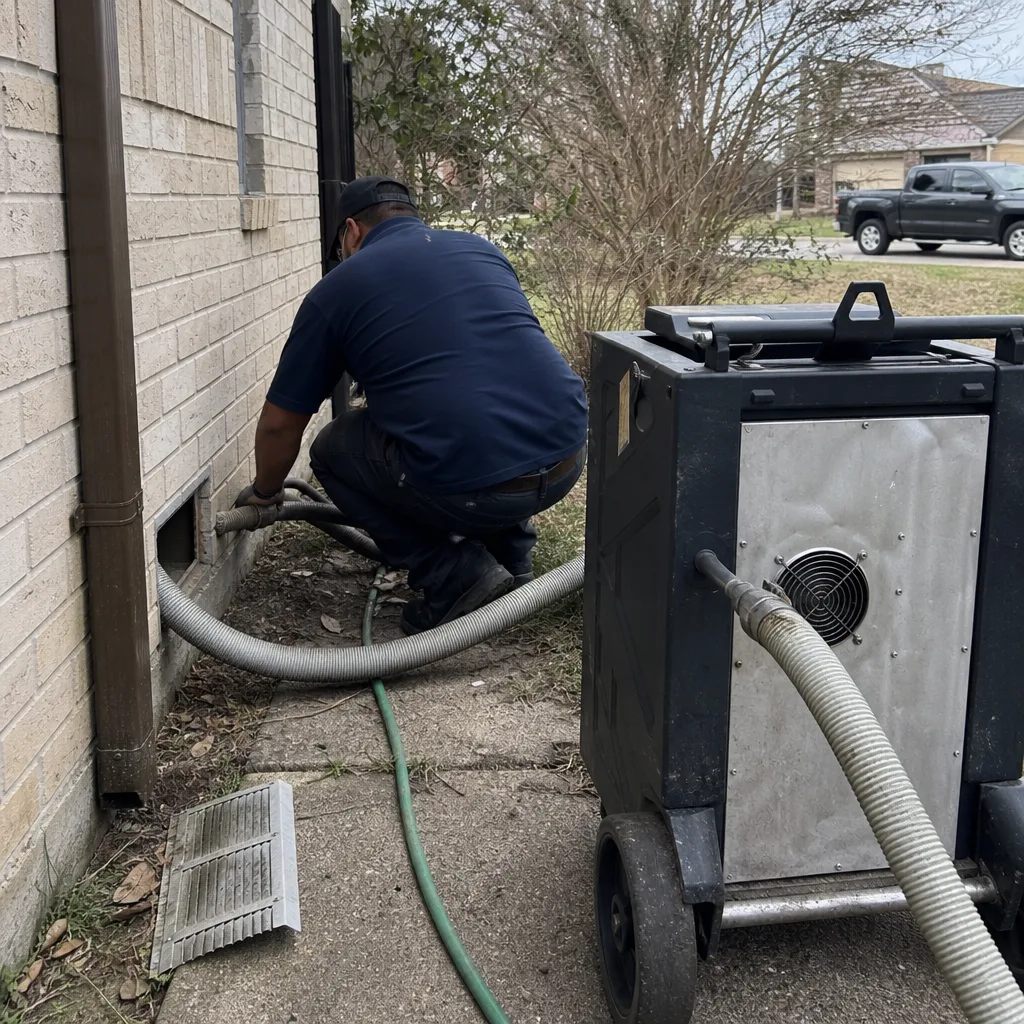 Before
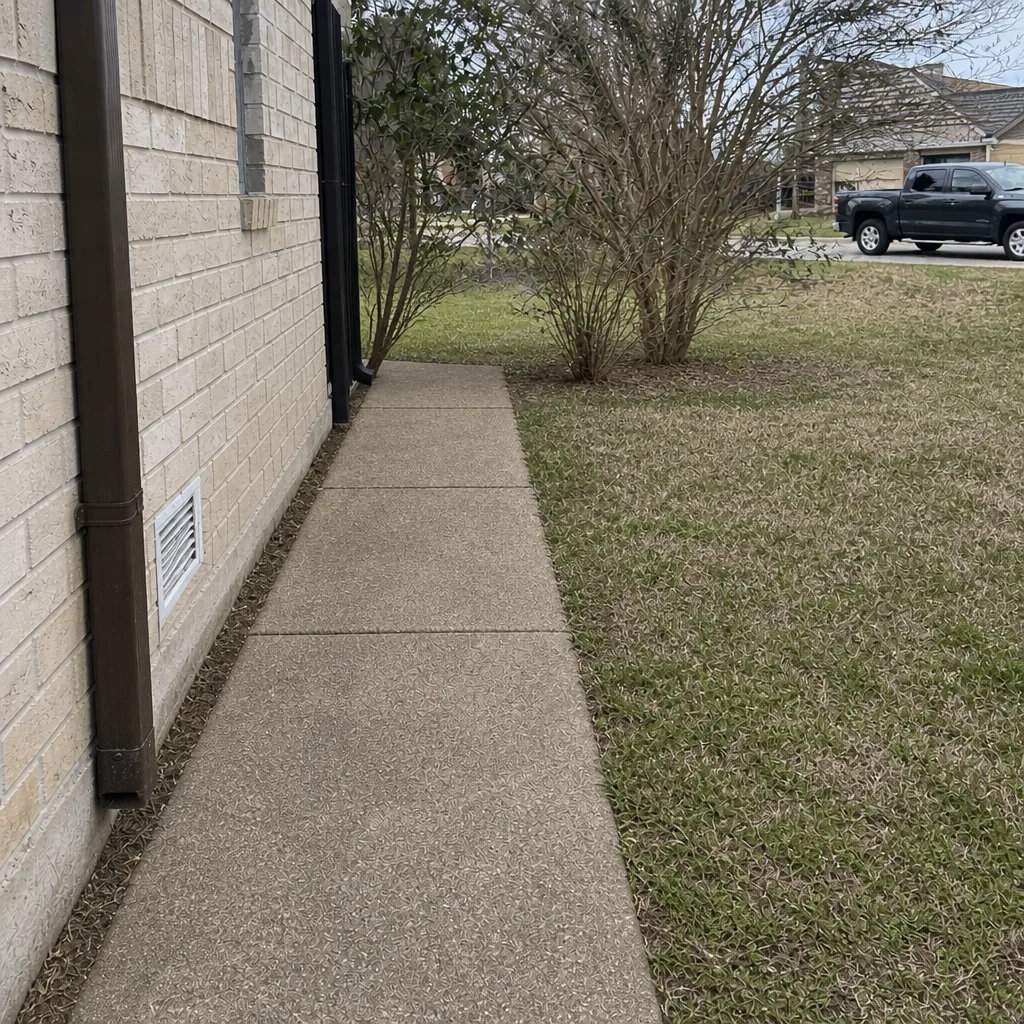 After
When to Call a Professional
Call a professional if any of these apply: visible mold or dark staining at any register, musty odor that keeps returning, uneven airflow across rooms, dryer vent more than a couple of years without service, post-renovation drywall dust in the system, or older flex duct that has been through a storm cycle. Also call if you just don’t know the condition, and a diagnostic visit will answer the question faster than an afternoon with a flashlight. A pre-inspection report like the one outlined above is genuinely useful to the technician, and it may trim the scope of the estimate. Ironside Duct Cleaning offers free estimates in Corpus Christi, and we bring the same professional equipment we use on every job: Rotobrush contact-vacuum brushing, Nikro negative-air, and Abatement Technologies filtration when the job needs it. Call (833) 435-2252. We answer 24/7. Fast dispatch from 7am to 7pm, Sunday through Friday.
Frequently Asked Questions
It depends on system size, layout, attic access, and whether the job includes the air handler and dryer vent. The written estimate sets the final price, and a flat price per system is the honest structure. Anything defined by a per-vent coupon figure isn’t the whole job. Call (833) 435-2252 for an exact quote; estimates are free.
Usually because they exclude the parts of the job that take the most time: the air handler cabinet, the return trunk runs, and the dryer vent line. Sometimes the equipment itself is consumer-grade, which means less effective removal. Ask what’s excluded and what equipment they run before comparing quotes. Call (833) 435-2252 to see what a full-system estimate covers.
Ask for before-and-after photos of the inside of your own ducts. That’s the only verifiable evidence, and it should be standard. If a contractor won’t provide that, that’s your signal. Call (833) 435-2252 and we’ll walk you through what the photographic record includes.
For most homes in Corpus Christi, every few years is a reasonable baseline if filters are maintained, and sooner if you’ve had a renovation, a storm repair, or any visible contamination. Visible mold or a persistent odor means now, not “eventually.” Call (833) 435-2252 if you’re unsure which side of that line you’re on.
Yes, briefly, if the system is genuinely dirty and you don’t have matching suction to capture what you loosen. Uncontained agitation pulls settled dust into the room air. If the only problem is dusty registers, DIY cleaning is fine. Past the register, it’s a different job. Call (833) 435-2252 to talk through which scenario matches your system.
It does. The humid summer air makes moisture-related problems inside the duct system more likely than in a dry climate, and the area’s storm history means flex duct can carry damage from older repairs. Both push the recommendation toward professional inspection sooner than in a stable, dry climate. Call (833) 435-2252 and we’ll help you decide what your system actually needs.
The Bottom Line
DIY duct cleaning has a real role, and it’s narrower than most homeowner guides admit. Register cleaning, dryer lint clearing at the indoor opening, and filter-housing upkeep are worth doing regularly, and they extend the interval between professional cleanings. They will not reach the contamination that sits in the trunk lines, junction boxes, or air handler, because a shop vac doesn’t have the airflow or the contact agitation to physically remove it. In Corpus Christi, humid summers and storm history make the professional side of that line matter more often than it does elsewhere. Get the pre-inspection done. Match your system to the decision framework. If it points to professional, the estimate is free. If it points to homeowner maintenance, do it and know you’re doing it right.
Ironside Duct Cleaning handles air duct cleaning, dryer vent cleaning, and duct repair across Corpus Christi. Our technicians have up to 12 years of experience, and we run professional equipment from Rotobrush, Nikro, and Abatement Technologies on every job. We’re familiar with Honeywell and Aprilaire filtration systems, so we understand the whole air path, not just the ductwork.
Call (833) 435-2252 for a free estimate. We answer 24/7. Fast dispatch from 7am to 7pm, Sunday through Friday, closed Saturday.
Written by the team at Ironside Duct Cleaning.