
Last updated November 14, 2026
 Whole-home duct cleaning
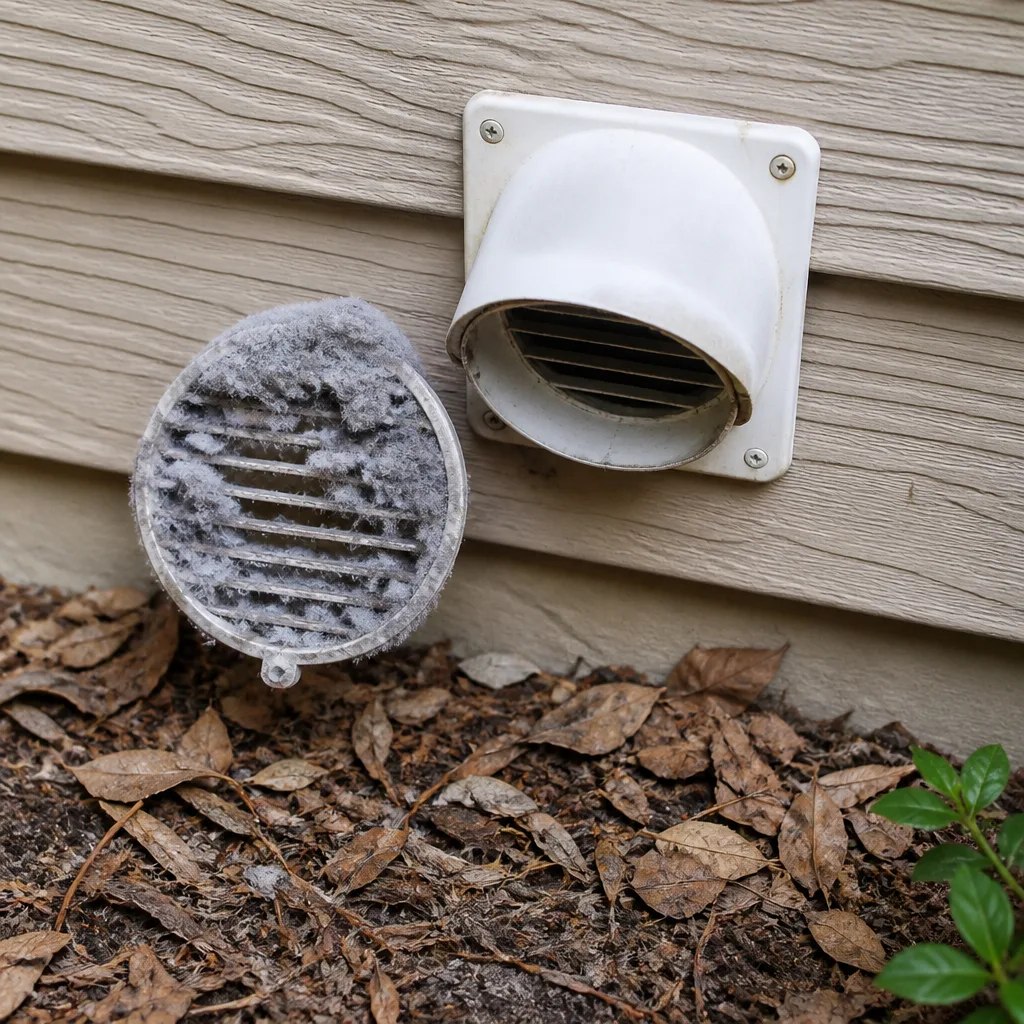 Dryer vent cleaning
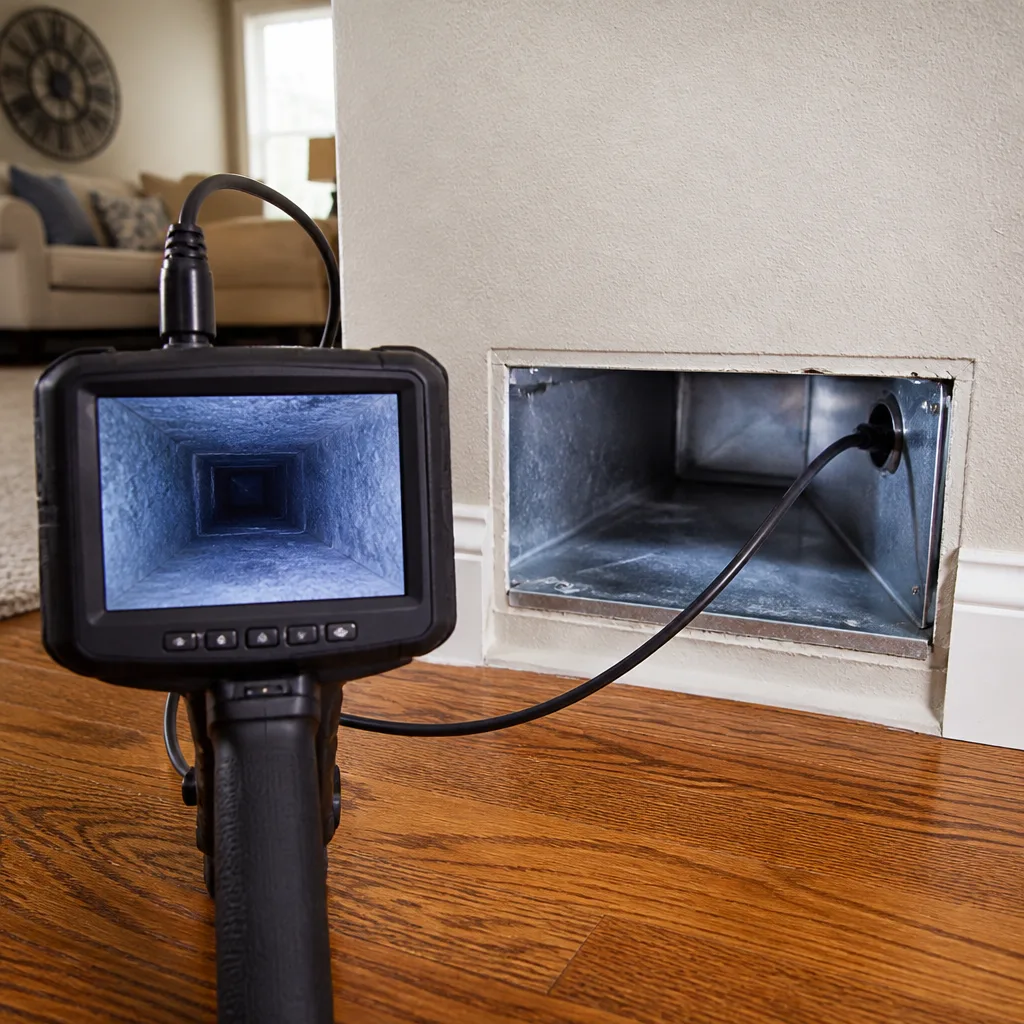 Camera inspection
 Sanitizing & deodorizing
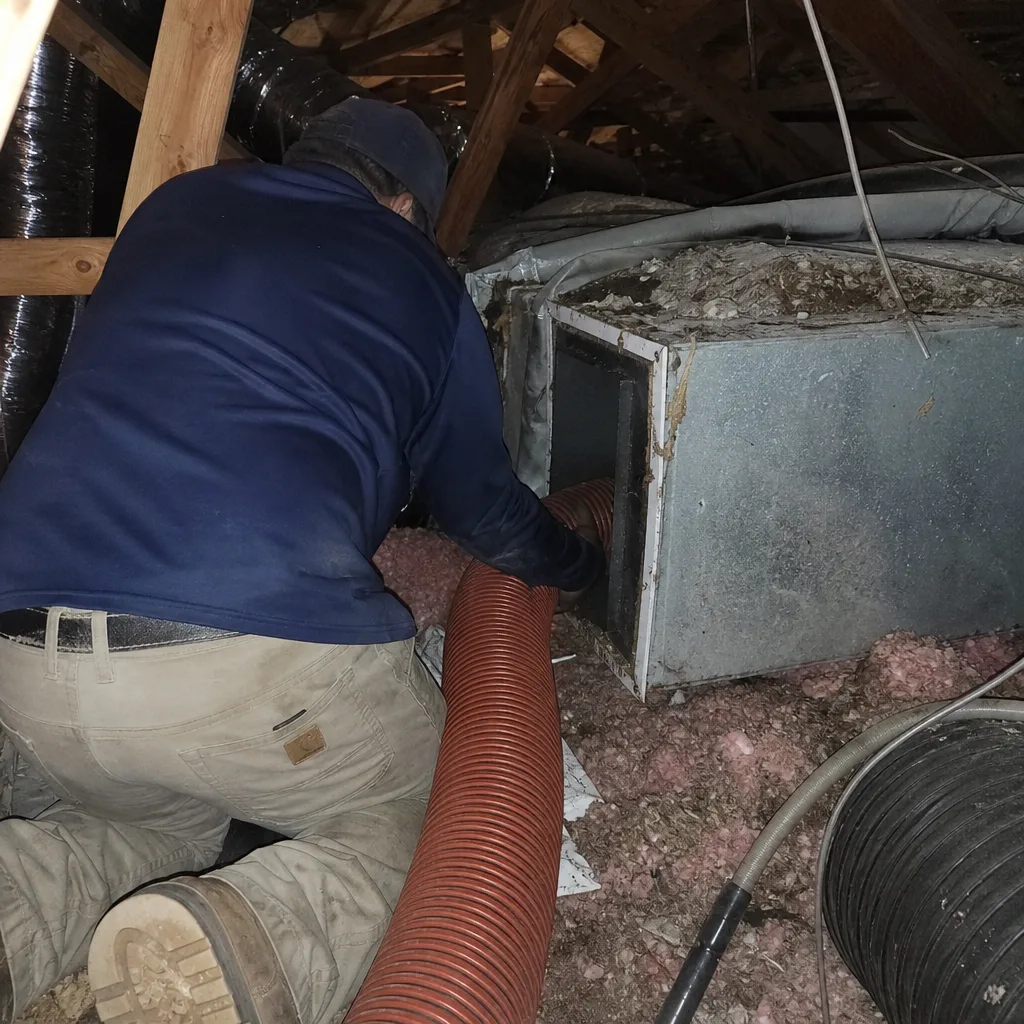
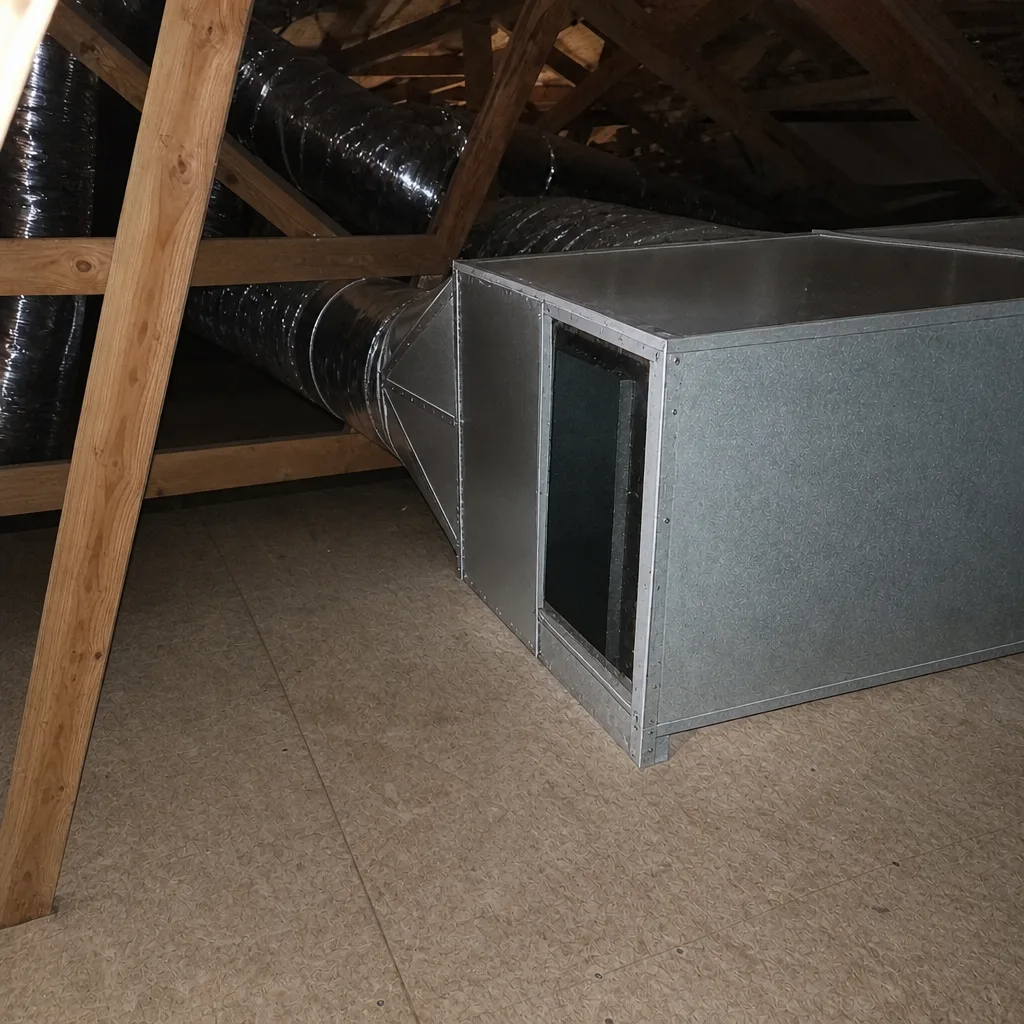
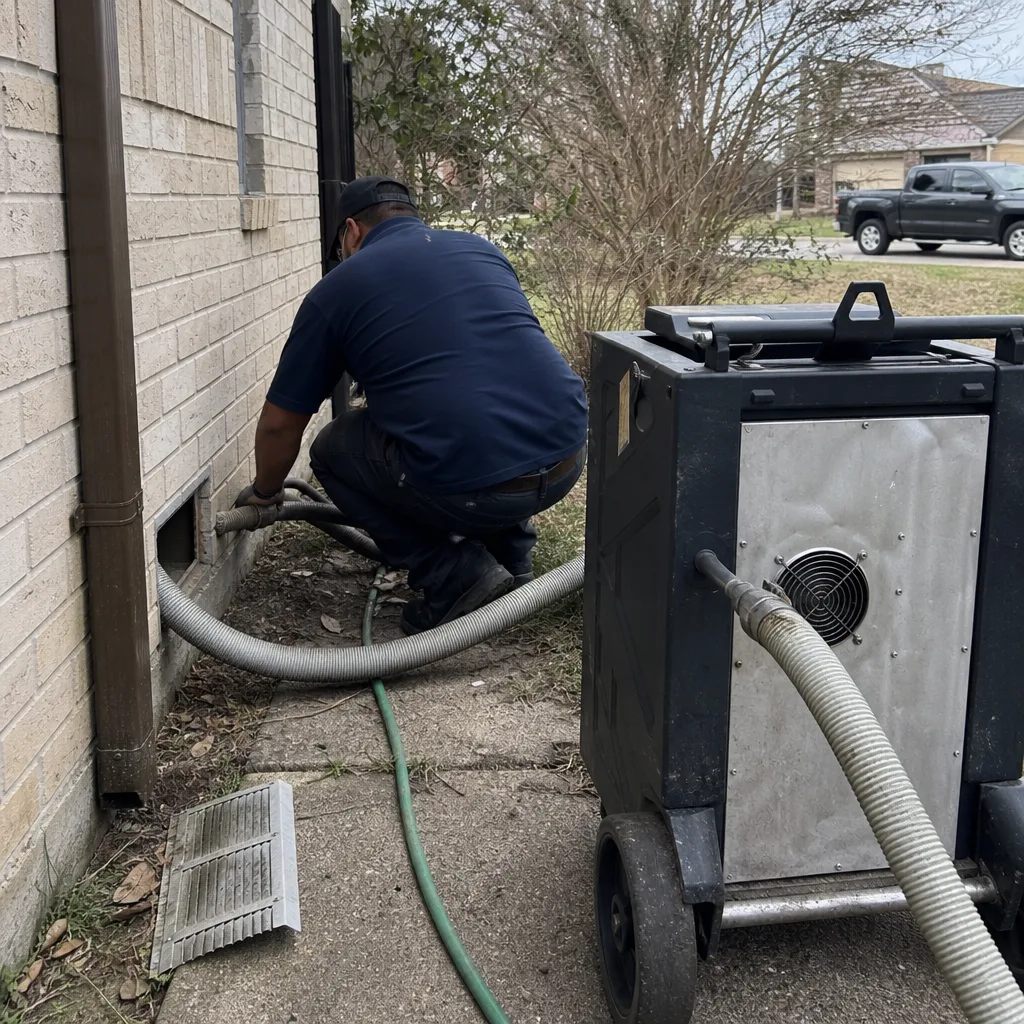
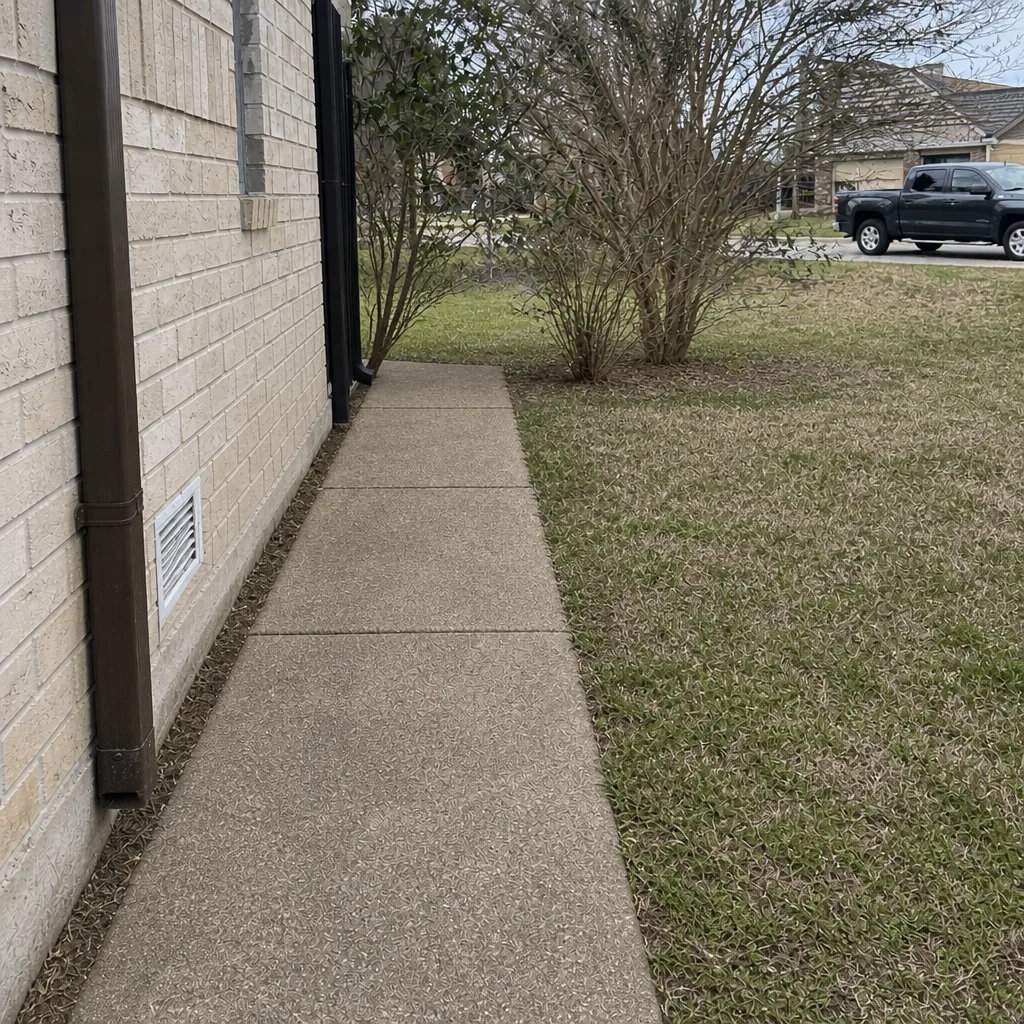
Whole-system duct and dryer vent check with before-and-after photos - you see exactly what came out of your vents
That "$99 whole-house special" is a bait ad - the real number appears once they are in your hallway, or the "clean" is a shop-vac at the register. We photograph the inside of your ducts before and after instead.
Seasonal Air Duct Cleaning Care for Corpus Christi: Year-Round Homeowner’s Guide
In Corpus Christi, “seasonal” doesn’t mean what it means in Dallas. Your ducts face more stress during a single tropical system than during six months of normal operation, and the week after a named storm passes is one of the highest-risk periods for mold colonization inside duct systems that homeowners routinely ignore. Most seasonal duct advice is written for four-season climates, built around a tidy spring-and-fall calendar that has little to do with how air moves through a house in Corpus Christi. What actually shapes your duct system’s year is hurricane season, wind-driven rain, and the long transition between cooling-dominant and heating-dominant operation. This guide reframes seasonal care around those real local events, with inspection windows, filter intervals, and post-storm protocols you can put on a calendar.
Styles & brands we work with
- Whole-home duct cleaning
- Dryer vent cleaning
- Camera inspection
- Sanitizing & deodorizing
Quick Answer
Seasonal air duct cleaning in Corpus Christi should be built around three windows, not four seasons: a pre-hurricane inspection before June, a post-storm check any time a tropical system brings wind-driven moisture into attic spaces, and a spring transition inspection when the system switches from heating to cooling. Summer peak operation (the system running 16 or more hours a day) demands shorter filter intervals, and the brief winter heating period is your best chance to spot duct leaks that stayed hidden all summer. Pair those windows with a full professional cleaning when contamination, odors, or airflow problems show up, and you’ll stay ahead of the failures we see most often.
Table of Contents
- Why the Corpus Christi Calendar Isn’t a Four-Season Calendar
- Pre-Hurricane Season Prep: What to Inspect Before June
- Post-Storm Protocol: After a Tropical System Passes
- The Spring Transition Window: Switching from Heat to Cooling
- Summer Peak Operation: Managing Filters When the System Runs 16+ Hours a Day
- What “Off-Season” Really Means Here
- Signs You Need More Than a Seasonal Check
- What Professional Cleaning Actually Involves
- Common Mistakes to Avoid
- When to Call a Professional
- Frequently Asked Questions
- The Bottom Line
Why the Corpus Christi Calendar Isn’t a Four-Season Calendar
Most seasonal duct guides are built for places with a hard winter that seals the house up and a spring thaw that opens it back up. Corpus Christi doesn’t work that way. The air conditioning runs in some form for most of the year, the heating system gets a short and sometimes unpredictable workout, and the biggest single stress event on a duct system here is a tropical weather system moving through. That changes which parts of the system need attention and when.
A duct system fails in specific, predictable ways depending on what’s pushing on it. In summer, sustained runtime pushes volume through the ducts hour after hour. In a tropical system, wind-driven rain and pressure changes push moisture into places it doesn’t belong, especially attic spaces where flex duct lives. In the short winter, the heating cycle changes the temperature and pressure balance inside the ducts and can expose joints that were quietly leaking all summer without anyone noticing. Each of these is a different problem, and each has a different check.
Here’s how the local year actually maps against duct-system stress:
- Spring transition (roughly March-May): switchover from heating to cooling; best window for a full pre-summer inspection.
- Pre-hurricane window (before June 1): the calendar anchor for flex duct connection checks, drain line clearance, and attic moisture inspection.
- Hurricane season (June through November): the highest-risk stretch for wind-driven moisture intrusion and post-storm mold colonization.
- Summer peak (June through September): longest runtime hours, most filter changes, biggest airflow stress.
- Short winter heating period (roughly December-February): the quiet season, and the best diagnostic window for leaks the summer masked.
What we’ve learned from doing this work in Corpus Christi is that homeowners who follow a generic national calendar tend to skip the two windows that matter most here: the pre-hurricane inspection and the post-storm check. Those are the two we build every recommendation around.
Pre-Hurricane Season Prep: What to Inspect Before June
The single most useful thing you can do for your duct system in Corpus Christi is a pre-hurricane inspection done before June. This isn’t a cleaning; it’s a readiness check. The goal is to identify and fix everything that a tropical system could turn into a problem, so that when wind-driven rain and pressure changes hit, your duct system has fewer weak points to fail at.
Two areas deserve the most attention. First, flex duct connections. Flex duct is common in Corpus Christi attics because it’s cheap to install and easy to route around low roof decks. But every connection point (at the plenum, at the boots, at any junction) relies on tape, mastic, or a mechanical collar that can loosen over years of thermal cycling. A joint that’s fine on a calm day can be a point of failure when a storm pressurizes an attic. Second, drain line clearance. The condensate drain from your air handler runs through the attic or a closet, and if it’s clogged or blocked by debris when the system is working hardest during a storm’s humid aftermath, you get water where you don’t want it. That’s not a duct problem exactly, but it’s a duct-adjacent problem, and we treat it as part of the inspection.
Here’s the pre-June checklist we walk through:
- Walk the attic and look at every visible flex duct run. Check for sagging, kinks, or runs resting on sharp edges.
- Inspect each connection at the plenum, boots, and junctions. Look for separation, loose tape, or mastic that’s cracked.
- Check the condensate drain pan and line for standing water, debris, or visible blockage.
- Look for signs of previous moisture intrusion (stains on decking, rust on metal components, sagging insulation).
- Confirm the return path is sealed. Unsealed returns in an attic pull in hot, humid, unfiltered attic air, which is a problem in any weather but worse before a storm.
- Check the filter housing for gaps or misalignment.
- Look at the exterior penetrations (roof jacks, soffit vents near duct runs) for anything loose that a storm could open up.
If the inspection turns up structural problems (a disconnected run, a crushed section, a boot that’s pulled away from the ceiling), that’s an air duct repair, not just a cleaning. Structural repair before storm season is one of the highest-value things a homeowner can do. Ironside handles repair as a standalone service, which means we can fix what the inspection finds rather than noting it and moving on. Call (833) 435-2252 to schedule a pre-hurricane inspection. We answer 24/7. Fast dispatch from 7am to 7pm, Sunday through Friday.
Post-Storm Protocol: After a Tropical System Passes
The week after a named storm passes through Corpus Christi is the highest-risk window of the year for duct-system mold colonization, and it’s the window most homeowners skip. The reason is simple: tropical systems push wind-driven moisture into attic spaces, and attic duct systems are exactly where that moisture wants to collect. Flex duct insulation, duct board, and the interior surfaces of metal ducts all hold moisture if the attic isn’t drying out fast enough. Add warm temperatures and organic dust, and you have the conditions mold needs.
What you should do in the week after a storm:
- Walk the attic if it’s safe to do so. Look for standing water, wet insulation, water stains on decking, and any duct run that’s visibly damp.
- Smell the air coming out of the supply registers. A musty, earthy, or “wet basement” odor is the clearest early sign of colonization inside the ducts.
- Check the filter. If it’s wet, discolored, or gritted with debris, replace it. A wet filter feeding the system is worse than no filter.
- Run the system and listen. New rattles, whistles, or a drop in airflow suggest a duct has come loose or crushed.
- Look at the ceiling around each supply register for water staining. A ceiling stain near a register usually means water traveled along the duct.
- Don’t run the system continuously if you smell mustiness. Running it spreads whatever is growing.
If the attic took on water, or if the smell doesn’t clear after replacing the filter and running the system for a day, that’s the point to bring in professional equipment. This is where the Abatement Technologies filtration equipment in our toolkit earns its place: it’s the same class of gear used in commercial remediation, and it lets us address a contaminated duct environment that a standard cleaning can’t. If you’re not sure whether you’re past the DIY line, read our guide to air duct cleaning for what a professional job looks like, or call us and describe what you’re seeing.
The Spring Transition Window: Switching from Heat to Cooling
The spring transition from heating to cooling is one of the two windows a Corpus Christi homeowner should never skip. The reason is mechanical: when the system switches modes, the pressure balance inside the ducts changes, and accumulated debris that was sitting quietly in the return or resting on duct surfaces can get pushed into the supply side and out into living spaces. It’s a common pattern and it’s easy to prevent.
What actually causes the problem: debris accumulates over the cooler months in low spots, on the return side, and along duct bottoms. When you first fire up the AC for the season, airflow volume and velocity change, and that accumulated material becomes airborne. Homeowners notice a puff of dust at the registers, or a light film settling on furniture in the first week of cooling season. That’s not a filter problem; it’s a duct cleanliness problem that a pre-season cleaning or inspection prevents.
Spring transition checklist:
- Replace the filter before the first cooling run.
- Inspect the return grille and the return plenum for visible debris.
- Look for visible dust at supply registers when the system starts.
- Listen for whistling or new noise from the ducts on first run.
- Check that all supply registers are open and unobstructed by furniture.
- Confirm the condensate drain is clear before the humid season arrives.
If the first cooling run produces a dust cloud at the registers or a visible layer of debris inside the return, the system is telling you something. A professional cleaning removes the accumulated material at the source, rather than pushing it through the living space cycle after cycle. Spring is also the right window for a full inspection of the whole pathway (supply, return, and dryer vent) because it’s the last opportunity before the long cooling season begins in earnest. Call (833) 435-2252 to schedule a spring inspection. We answer 24/7. Fast dispatch from 7am to 7pm, Sunday through Friday.
Summer Peak Operation: Managing Filters When the System Runs 16+ Hours a Day
In Corpus Christi, the cooling system runs long and hard from roughly June through September. Sixteen-plus hours of daily operation is normal, and the filter interval that works in a temperate climate gets cut way down. If you’re changing the filter every three months on the calendar, you’re changing it far too infrequently for the actual runtime in this city.
The right interval depends on your filter type, your home’s dust load, and whether you have pets. What we tell homeowners is to ignore the calendar and check the filter itself. Hold it up to light; if you can’t see through it, it’s loading up. A reasonable habit during peak cooling season is to check every two to three weeks and replace when dirty. For a standard 1-inch pleated filter in a Corpus Christi home running long hours, that usually means replacement every month, sometimes more often in a home with pets or open windows. If you have a thicker media filter (Honeywell and Aprilaire housings are common in this market for that reason), you can go longer, but you still want to check on the same schedule.
What a loaded filter actually does: it increases static pressure across the system, reduces airflow, and forces the blower to work harder. In a duct system with any pre-existing leak or partial separation, the higher static pressure makes the leak worse. That’s the connection between summer filter maintenance and duct integrity; they’re not separate problems.
Summer duct care in Corpus Christi also means:
- Checking supply registers for condensation. A sweating register in a humid Corpus Christi summer sometimes points to an unsealed boot, not just the weather.
- Watching for any new musty smell in the first month of heavy cooling. If it appears now, it’s either duct cleanliness or a moisture problem.
- Keeping the outdoor unit clear of vegetation. Airflow at the condenser drives how hard the ducts have to work.
- Not closing supply registers in unused rooms to “save energy.” That increases static pressure in the rest of the duct system and can cause leaks to fail.
For a dryer vent in the same period, summer is when lint buildup becomes a real fire risk because the system runs more. Keep that vent clean as part of the same seasonal check.
What “Off-Season” Really Means Here
There is no true off-season for duct care in Corpus Christi, but the brief winter heating period plays a specific diagnostic role. Here’s why: when the system switches over to heating, the pressure and temperature balance inside the ducts changes, and weak joints that held up fine through a summer of cooling-side operation can start leaking in ways that show up now. That’s the winter reveal, and it’s one of the most useful observations a homeowner can make.
What to look for in the winter heating window:
- Warm air blowing from a joint or register boot that shouldn’t be leaking. That’s a physical joint failure you can find by hand.
- Uneven heating room to room. That usually points to a duct that’s lost pressure somewhere in the run.
- Whistling at supply registers, which often points to a partially separated duct or an undersized return.
- New dust streaks at ceiling joints near duct runs.
- Any musty smell on first heat. Heat pushes stale duct air into the house and can reveal a cleanliness problem that the summer masked.
This is the best six-week window in the Corpus Christi year to get a duct repair done, because the system is under less load and any problems are easier to isolate. It’s also a good time for a full professional cleaning if the summer left the system dirtier than usual. Call (833) 435-2252 to book a winter inspection. We answer 24/7. Fast dispatch from 7am to 7pm, Sunday through Friday.
Signs You Need More Than a Seasonal Check
Seasonal care catches most of the problems before they get expensive. But some signs mean you should skip the seasonal checklist and call a professional now. If you’re seeing any of these, the problem has moved beyond routine maintenance:
- Visible mold inside a supply register or on the return grille. That’s a moisture and contaminant problem that needs professional equipment, not a filter change.
- Persistent odor that doesn’t clear after replacing the filter. Odor that survives a filter change usually means the contamination is in the ducts, not the air stream at the filter.
- Airflow that’s dropped noticeably in one or more rooms. That points to a disconnected or crushed run, not just a dirty filter.
- Visible debris, dust streaks, or puffback at supply registers when the system starts. The system is pushing accumulated material into the living space.
- A dryer that takes much longer than it used to, or a dryer vent that’s warm to the touch. A dryer vent is a leading home fire hazard, and a slow dryer is often the first sign.
- Stains on the ceiling or wall near a supply register or duct run. Moisture has likely traveled along the duct and could indicate a leak or a condensation problem.
- Recent storm exposure with visible attic moisture. Post-storm moisture requires a professional check, not a homeowner wait-and-see.
For more on what a full cleaning should include, see our guide to air duct cleaning and our dedicated dryer vent cleaning page.
What Professional Cleaning Actually Involves
Professional duct cleaning in a Corpus Christi home should be a physical cleaning, not a blow-and-go. That distinction matters more here than in most markets, because the humidity and the storm exposure mean that any contamination left behind has ideal conditions to grow. A professional job has four parts: source removal, containment, verification, and repair.
Source removal is contact cleaning. The technician physically brushes the duct surfaces, using something like the Rotobrush contact-vacuum system, so that debris is dislodged and captured at the source instead of being pushed around. That’s the opposite of the leaf-blower approach some cheap operators use, which just moves dust from one part of the system to another. Containment is what keeps the rest of the house clean and keeps the air stream from spreading. Nikro negative-air equipment and Abatement Technologies filtration equipment pull a vacuum on the system and capture what gets dislodged, which is what makes a source-removal cleaning safe to do inside an occupied home.
Verification is what separates a professional job from a bill. Before-and-after photos of your own ducts are the standard we hold ourselves to, and they’re what you should ask for from any operator. If a company won’t show you what came out, don’t take their word for it. Repair is the final part. A cleaning that leaves a disconnected duct or a crushed run in place is incomplete where we work. Air duct repair capability is why we can fix what the cleaning reveals. That’s the difference between a cleaning company and a duct specialist.
Three of the equipment names worth knowing in this trade:
- Rotobrush: a contact-vacuum brushing system used for source removal in residential duct cleaning.
- Nikro: negative-air machines that pull a vacuum on the duct system during cleaning.
- Abatement Technologies: filtration equipment used for contaminated or compromised duct environments, including post-storm and post-construction situations.
Familiarity with the products attached to your ducts matters too. Honeywell and Aprilaire filter and IAQ equipment is common in Corpus Christi homes, and a technician who understands the whole air-treatment chain is one who won’t damage the components when cleaning the ductwork. Ironside handles the whole system: cleaning, repair, and the filtration equipment in between.
Common Mistakes to Avoid
- Skipping the post-storm check. The week after a tropical system passes is the highest-risk window of the year for mold colonization, and most homeowners never look. Check the attic, smell the supply air, and replace any wet filter.
- Following a calendar written for Dallas or Houston. Corpus Christi’s duct-system stress is tied to hurricane season and long cooling runtime, not a neat four-season rotation. Build your care around the pre-June, post-storm, and spring-transition windows instead.
- Changing the filter every three months in summer. With the system running 16+ hours a day, a Corpus Christi home needs filter checks every two to three weeks during peak cooling. The calendar interval leaves you with a loaded filter for weeks longer than is healthy for the system.
- Assuming a cheap coupon price is a real quote. The residential duct cleaning industry has a bait-and-switch reputation for a reason. A low teaser price that turns into a much larger invoice once the technician is on site is the standard complaint. Ask for an estimate that sets the whole-system price before any work starts.
- Letting the dryer vent go unserviced for years. A dryer vent is a leading home fire hazard, and it’s the one part of the indoor air pathway most homeowners forget entirely. Treat it as an annual service item, not a someday chore.
- Closing supply registers in unused rooms to “save energy.” That raises static pressure across the rest of the duct system and accelerates leaks and joint failures. It does the opposite of what it’s meant to do.
- Treating a musty smell as a weather problem. If the smell survives a filter change, the contamination is in the ducts or in the system components, not the air outside. That’s a professional-service signal.
When to Call a Professional
Call a professional when the problem is beyond what a filter and a visual inspection can fix. That means visible mold or persistent mustiness in the ducts, airflow that’s dropped in a room or part of the house, debris puffing from supply registers, ceiling or wall stains near a duct run, or a post-storm moisture event in the attic. For dryer vent safety, call whenever the dryer is slow, the vent is warm, or the vent hasn’t been serviced in years. For structural issues (a disconnected run, a crushed section, a boot pulled away from the ceiling), call a specialist with repair capability rather than a clean-only operator. Ironside Duct Cleaning offers free estimates in Corpus Christi, and we handle the whole indoor air pathway: cleaning, repair, and dryer vent service. Call (833) 435-2252. We answer 24/7. Fast dispatch from 7am to 7pm, Sunday through Friday.
Frequently Asked Questions
In Corpus Christi, most homes benefit from a professional cleaning every two to four years, with inspections every spring and after any named storm. Homes with pets, recent remodeling, or a history of moisture intrusion need it more often. The real trigger isn’t a calendar interval; it’s what the inspection and the system tell you. Call (833) 435-2252 for an exact quote. Estimates are free.
Check the attic for visible moisture, smell the supply air for mustiness, replace any wet filter, and look for ceiling stains near registers. If the attic took on water or the smell doesn’t clear within a day, that’s a professional call. Call (833) 435-2252 for a post-storm assessment. Estimates are free.
Cheap quotes often use a leaf-blower approach rather than contact-vacuum brushing, and a teaser price that turns into a much higher invoice once the technician is on site is a common complaint. Ask for the whole-system price in writing before work starts. Call (833) 435-2252 for a straight estimate. Estimates are free.
You should see before-and-after photos of your own ducts, and the technician should be able to show you what came out of the system. If a company won’t document the work, don’t use them. Call (833) 435-2252 for an estimate that includes verification. Estimates are free.
During peak cooling in Corpus Christi, check the filter every two to three weeks and replace it when it’s visibly loaded. With the system running long hours, the three-month calendar interval is far too long. Call (833) 435-2252 if you’d like a technician to look at whether the filter setup in your home is right. Estimates are free.
Yes. The dryer vent is a separate path from the supply and return ducts, and it’s a leading home fire hazard, so it deserves its own annual cleaning. A dryer that’s slow or a vent that’s warm to the touch is a sign to call. Call (833) 435-2252 to book dryer vent service. Estimates are free.
The Bottom Line
Seasonal duct care in Corpus Christi is built around real local events, not a generic four-season calendar. There are three windows that matter: a pre-hurricane inspection before June, a post-storm check any time a tropical system moves through, and a spring transition inspection before cooling season begins. Summer peak operation calls for shorter filter intervals (check every two to three weeks), and the short winter heating period is the best diagnostic window for duct leaks the summer masked. Keep the dryer vent on its own annual schedule, address structural problems with a repair-capable specialist, and ask for before-and-after photos as standard. That’s the year. Call (833) 435-2252 for a free estimate. We answer 24/7. Fast dispatch from 7am to 7pm, Sunday through Friday.
For more on our full indoor air pathway service, see Ironside Duct Cleaning, and for the surrounding community, our Corpus Christi page covers the local service area.
Written by the team at Ironside Duct Cleaning.
See the difference
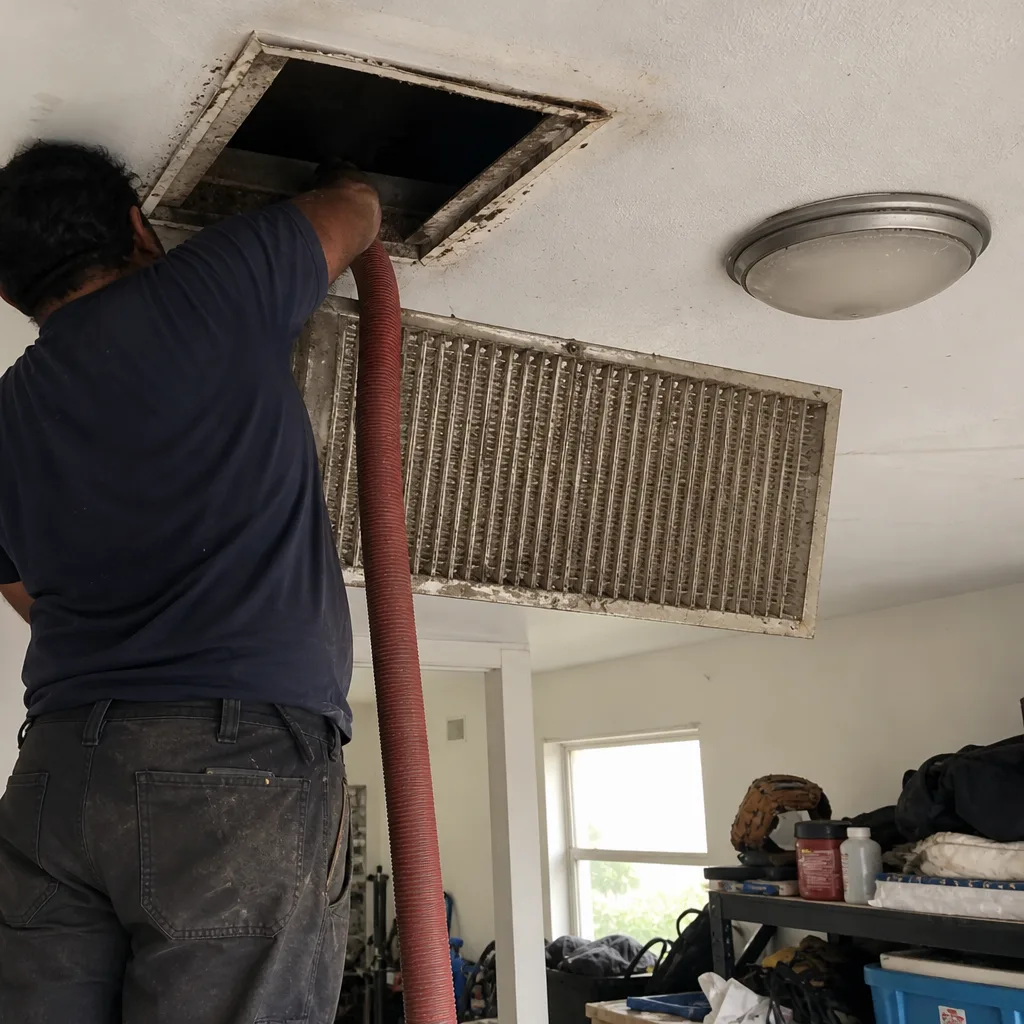 Before
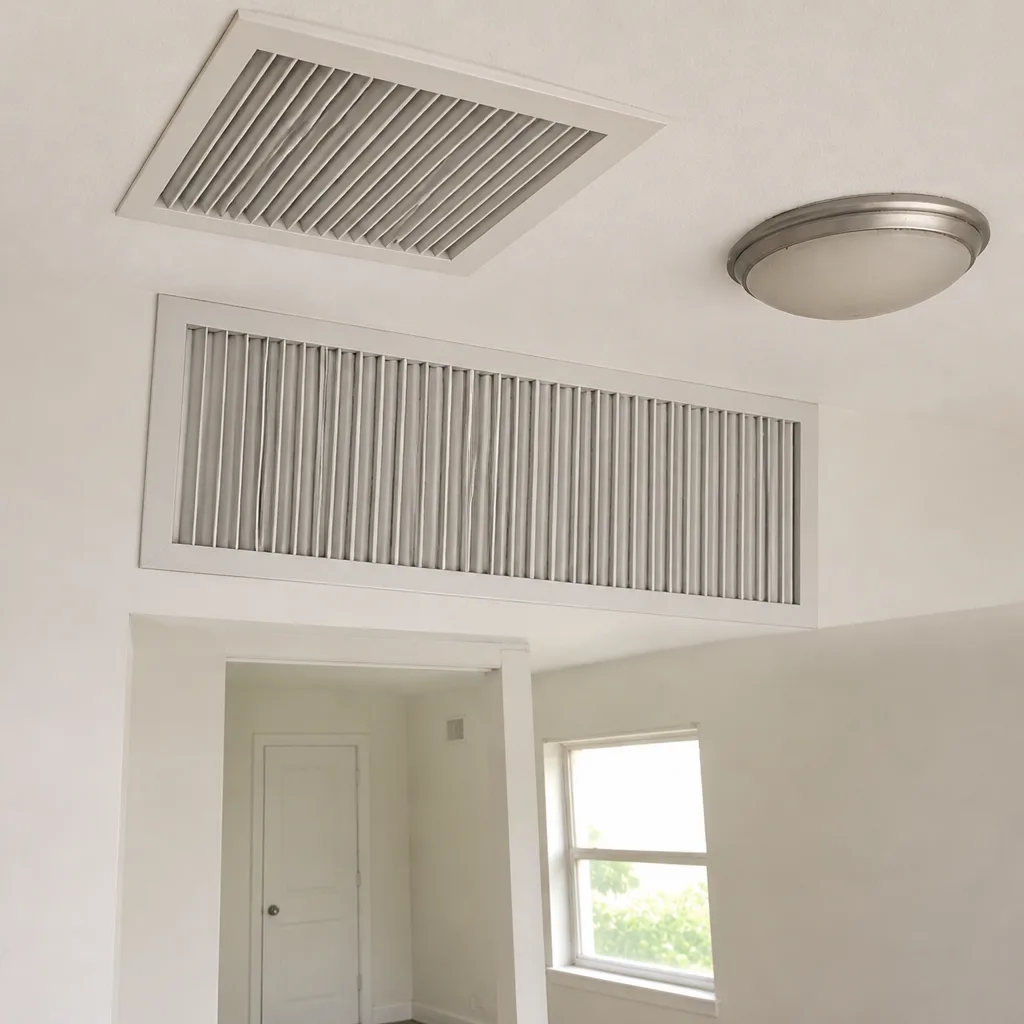 After
 Before
 After
 Before
 After